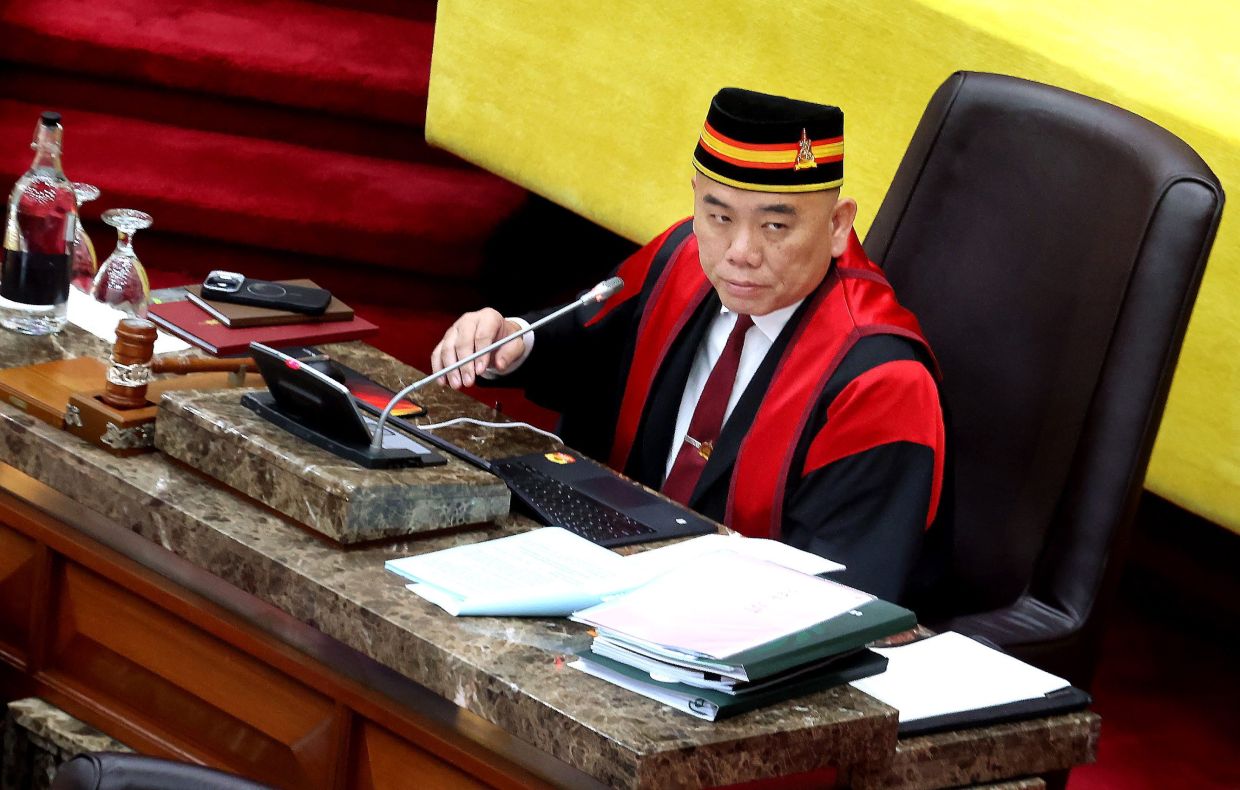
A comprehensive investigation is underway in Selangor into allegations that a state assemblyman has been declared bankrupt, according to Speaker Lau Weng San, who remained guarded about the particulars as inquiries continue. During remarks made at the Selangor State Legislative Assembly sitting at Bangunan Dewan Negeri Selangor on Monday, Lau disclosed that the probe encompasses multiple dimensions and involves consultation across all relevant stakeholders and constituencies. Despite persistent questioning from reporters, the Speaker declined to disclose the identity of the lawmaker in question or provide specific timelines for when findings would be announced.
The cautious approach reflects standard protocol in addressing potential constitutional breaches involving elected representatives. Lau emphasised that authorities must establish facts comprehensively before drawing conclusions, rejecting premature speculation about the implications. He underlined that the investigation encompasses far more than a single allegation, requiring examination of electoral procedures, constitutional obligations, and procedural compliance across the state assembly system.
A critical distinction emerged in Lau's explanation of how such matters are handled institutionally. He clarified that while the assembly conducts its own fact-finding, responsibility for determining whether a by-election becomes necessary ultimately rests with the Election Commission. This separation of powers ensures that decisions affecting electoral processes follow proper constitutional channels rather than being determined solely by the legislative branch.
When pressed about whether the assemblyman in question might be identifiable by their absence from Monday's proceedings, Lau rejected this approach to identification. He pointed out that legislators legitimately miss sittings for various reasons—including medical treatment, emergency circumstances, and other substantiated grounds—and that isolated absences carry no negative implication. Drawing such inference would be premature and potentially unfair to members with valid reasons for non-attendance.
The constitutional framework governing such situations provides clear guidance on when seats may be forfeited due to absence. Under the Selangor State Constitution, a Speaker may only declare a state assemblyman's seat vacant if that individual fails to attend assembly sittings for six consecutive months without submitting formal notice or obtaining permission. This threshold exists to prevent arbitrary seat vacancies whilst protecting taxpayers' interests in having active, engaged representatives.
To illustrate how this provision operates in practice, Lau referenced the case of former Batang Kali assemblyman Harumaini Omar. That seat was declared vacant on February 16, 2023, after Omar's continuous absence from sittings exceeded six months without authorisation. This precedent demonstrates that the mechanism functions systematically and that enforced vacancies occur only when constitutional requirements are plainly met.
The bankruptcy allegations introduce an additional layer of constitutional concern beyond mere absenteeism. Malaysian electoral law contains provisions regarding the eligibility of candidates and representatives, with insolvency historically raising questions about fitness for office in certain jurisdictions. However, the specific legal framework and whether bankruptcy automatically triggers seat vacation in Selangor requires careful legal analysis, which presumably forms part of the investigation.
For Malaysian readers and observers across Southeast Asia, this development highlights the ongoing tension between maintaining legislative integrity and protecting individual rights during investigations. The region has witnessed various cases where assemblypersons and parliamentarians have faced financial difficulties, some leading to significant constitutional and political consequences. How Selangor handles this matter may establish precedent for other state assemblies grappling with similar questions.
The investigation's scope—deliberately broad according to Lau's description—suggests authorities are examining not only the bankruptcy allegation itself but potentially related matters including financial disclosures, conflicts of interest, or other compliance issues. This comprehensive approach, whilst time-consuming, reduces the risk of procedural challenges or legal appeals based on incomplete inquiry.
From a governance perspective, the measured pace of the investigation reflects institutional maturity. Rather than rushing to conclusions that might later prove legally vulnerable, the assembly is taking necessary time to establish facts rigorously. Lau's repeated emphasis that assumptions must be avoided and certainty must precede action demonstrates commitment to fair process.
The Election Commission's anticipated role underscores how Malaysian governance distributes decision-making authority among institutions. No single body possesses unilateral power to remove elected representatives for bankruptcy; instead, findings from the assembly investigation inform electoral authorities' determination of whether replacement becomes necessary. This distribution prevents concentration of dismissal power whilst ensuring accountability.
Ultimately, this investigation represents a routine although potentially significant test of constitutional procedures. Whether it results in a seat becoming vacant, resignation, or the lawmaker's acquittal of allegations, the process itself demonstrates that institutional checks operate to address representatives who may breach constitutional standards. For Selangor and Malaysian governance more broadly, the thoroughness with which such investigations proceed matters as much as their outcomes.

