The Selangor state government is making tangible headway on a long-standing administrative priority: the formal gazetting of indigenous villages across the state. With over 50% of the 74 officially listed Orang Asli settlements now in the gazetting pipeline, officials have signalled that meaningful progress should materialise by the close of 2026. V. Papparaidu, the state's human resources and poverty eradication committee chairman, outlined this trajectory during a community engagement event in Hulu Selangor, underscoring the administration's commitment to formalising the legal status of these vulnerable communities.
The gazetting process itself represents a critical milestone for indigenous communities, as it confers formal recognition and protections under Malaysian law. Without official gazette status, these villages often operate in a liminal legal space, making residents vulnerable to land disputes, inadequate service provision, and limited access to development programmes. For Selangor, a state that has experienced rapid urbanisation and sprawling development pressures, securing the land rights and administrative status of Orang Asli settlements has become increasingly urgent. The push to gazette these villages also reflects growing recognition among policymakers that indigenous communities must be integrated into formal governance frameworks rather than marginalised at the periphery of state planning.
However, the path forward remains complicated by overlapping land claims and zoning conflicts that plague a significant number of these settlements. Papparaidu acknowledged that several indigenous villages occupy areas designated as Malay reserved land—a designation that creates competing legal claims and complicates the gazetting procedure. Reserved lands, protected under federal law for Bumiputera communities, form a separate legal category from ordinary state land, and resolving the intersection between indigenous rights and Bumiputera protections requires careful negotiation between multiple state agencies. The state government has indicated it will collaborate with district officers to untangle these disputes, though the practical mechanics of such resolution remain unclear given the complexity of Malaysia's overlapping land tenure systems.
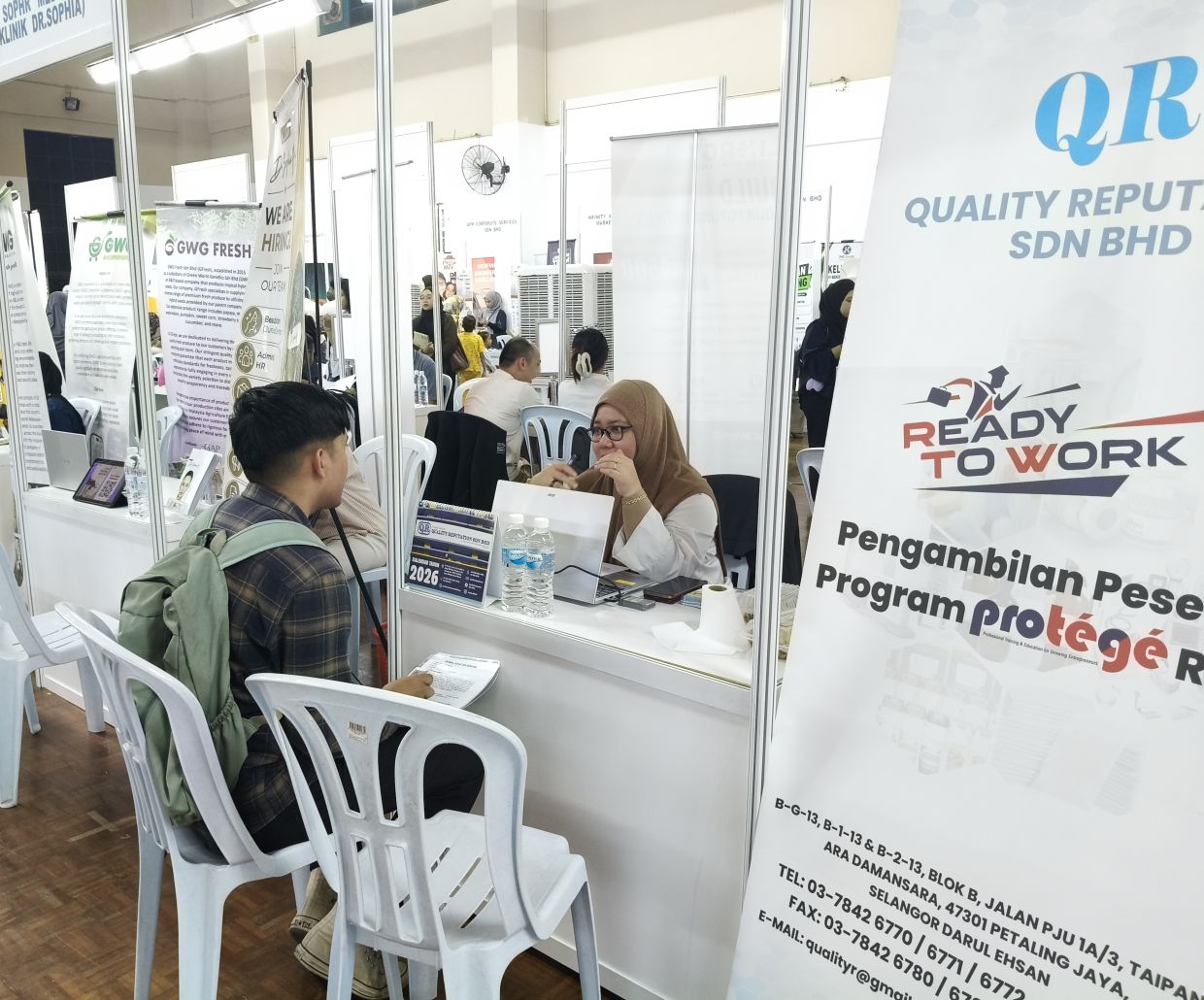
Beyond the symbolic importance of gazetting, the state is pursuing a broader economic empowerment agenda aimed at lifting indigenous and lower-income communities out of poverty. This philosophy animated the Jelajah Wanita Berdaya Tahan Selangor 2026 event held in Bukit Beruntung, where the JobCare Selangor job carnival attracted 38 participating employers offering 5,785 employment opportunities. The employment landscape presented at the carnival reflects the broader structure of Selangor's labour market, with manufacturing emerging as the dominant sector, accounting for 2,560 of the available vacancies. This concentration underscores both the strength of the state's industrial base and the vulnerability of workers dependent on a single sector during economic downturns.
The salary profile of positions advertised reveals a labour market with significant wage stratification. Nearly two-thirds of the jobs on offer—63.56% of the total—provided monthly compensation exceeding RM2,500, a threshold that, while above Malaysia's official poverty line, remains modest for supporting a family in increasingly expensive Selangor. Managerial positions commanded considerably higher remuneration, with monthly packages ranging from RM8,000 to RM10,000, yet such positions represent a tiny fraction of total vacancies. The disparity between entry-level and managerial compensation highlights the structural challenge facing workers without tertiary qualifications or specialised skills: they remain trapped at the lower end of the wage distribution with limited upward mobility.
Recognising this constraint, the Selangor government has invested in skills development infrastructure designed to equip workers with qualifications that unlock better-paying positions. The Selangor Technical Skills Development Centre functions as a cornerstone of this strategy, offering vocational training across multiple sectors. More innovatively, the state has launched targeted programmes to credential existing workers who lack formal qualifications despite years of experience. A notable example involves unqualified school teachers—individuals who entered the profession directly after completing secondary education due to economic or family circumstances rather than through conventional tertiary pathways. By enrolling these educators in an accelerated three-month diploma-equivalent programme, the government aims to both improve their earning potential and enhance their professional credibility. Upon completing the course, participants receive a Level 4 Malaysian Skills Certificate, administratively equivalent to a diploma, which opens pathways to higher salary brackets and enhanced career prospects.
The presence of specialist services at the job carnival—including Talent Corporation Malaysia Berhad's career comeback programme targeting mothers seeking workforce re-entry—reflects evolving recognition that economic participation varies across demographic groups. Women, particularly those who have exited the workforce to manage household and childcare responsibilities, face distinct barriers to re-entry, from skill depreciation to employer discrimination. Dedicated re-entry initiatives acknowledge these barriers and attempt to rebuild connection between former workers and employers. Similarly, the resume review service provided by the Social Security Organisation adds practical value, helping job seekers present themselves more effectively to prospective employers.
From a regional perspective, Selangor's approach to indigenous village gazetting and economic inclusion merits attention as a potential model for other Southeast Asian states grappling with similar dynamics. The challenge of integrating marginalised indigenous communities into formal governance and economic systems while respecting their distinct identities remains pressing across the region. Malaysia's federal structure, which allocates certain powers over indigenous affairs to states while reserving others to the federal government, creates opportunities for state-level innovation but also potential coordination difficulties. Selangor's sequential approach—first securing formal recognition through gazetting, then pursuing economic empowerment through skills training and employment linkages—represents a coherent strategy, though its success ultimately depends on execution and sustained resource commitment beyond 2026.
The employment carnival itself, with nearly 6,000 positions circulating through a single state event, demonstrates the scale of labour demand in Malaysia's economic core. Yet the concentration of manufacturing jobs and the modest salaries at entry level underscore persistent challenges in creating pathways toward genuine prosperity for lower-income workers. Without complementary interventions—such as accessible childcare, transport subsidies, or debt relief for workers trapped in predatory lending—skills training and job placements alone may prove insufficient to substantially improve material living standards. The state's multi-pronged approach—gazetting lands, training workers, facilitating job matches, and supporting women's economic participation—suggests recognition of these complexities, though measurable outcomes will ultimately determine whether these initiatives translate into sustained improvement in the lives of Selangor's most vulnerable residents.

