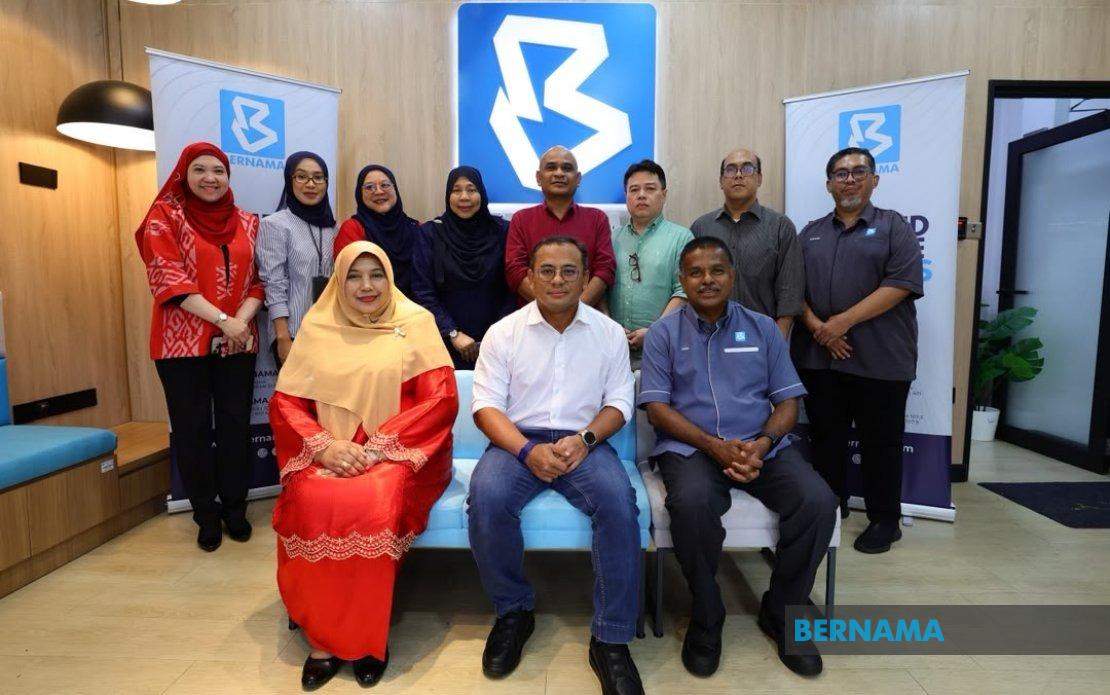
Datuk Seri Amirudin Shari, the Selangor Menteri Besar and Pakatan Harapan's chief election strategist, made an unscheduled visit to Bernama's Negeri Sembilan bureau in Seremban on July 20, underscoring the media agency's critical role in coordinating real-time political coverage during the state polls. The 2 pm visit demonstrated the close coordination between political leadership and national news infrastructure during major electoral contests, a pattern that reflects how modern Malaysian politics relies on established media channels to amplify messaging and maintain information flow to the electorate.
The reception at Bernama's headquarters included Datin Paduka Nur-ul Afida Kamaludin, the agency's chief executive, and editor-in-chief Arul Rajoo Durar Raj, alongside deputy editor-in-chief Mohd Shukri Ishak and Negeri Sembilan bureau chief Nursyabiha Sukri. This constellation of senior figures signals the institutional weight Bernama carries in orchestrating election coverage across Malaysia's media landscape. As the Malaysian National News Agency, Bernama functions as the backbone of political reporting for numerous regional and international outlets, making its internal operations and editorial decisions consequential for how voters receive and interpret campaign narratives.
During the briefing session, Amirudin received detailed operational updates from Mohd Hisham Abdul Rafar, the Negeri Sembilan election coverage coordinating editor, regarding Bernama's newsroom protocols and deployment strategies as the campaign entered its third day. The focus on operational logistics suggests that Amirudin sought to understand how stories are being selected, prioritised, and distributed—knowledge that could inform Pakatan Harapan's own media strategy. Such intelligence gathering by political operatives from news organisations, while common, raises persistent questions about editorial independence during election periods, though formal relationships between political parties and major news agencies typically maintain institutional firewalls.
Amirudin's dual role as both Selangor's chief minister and the opposition coalition's election director places him at the nexus of state governance and national political strategy. His visit to Bernama's operations room reflects the way senior figures attempt to maintain visibility and influence over the information ecosystem during high-stakes electoral moments. For Malaysian political leaders, understanding how news agencies prioritise and frame political developments can be as strategically important as organising campaign events or crafting policy positions.
Following the briefing, Amirudin was scheduled to participate in a televised interview session with Bernama TV, allowing him to speak directly to voters through one of Malaysia's most widely distributed broadcast news sources. This appearance underscores the symbiotic relationship between political figures and established media: Bernama gains access to newsworthy interviews and insider perspectives, while politicians secure guaranteed airtime to articulate their election messaging. For viewers, the presence of a major political figure at Bernama's facilities inevitably shapes perceptions about the agency's alignment or neutrality, though such visits are routine during election periods across most democracies.
The 16th Negeri Sembilan state election represents a significant contest in Malaysia's electoral calendar, as Negeri Sembilan has historically been a competitive state where national political trends often manifest in microcosm. The state's electoral outcome can signal broader momentum for governing coalitions and opposition blocs, making comprehensive and credible news coverage essential for informed voter participation. Bernama's role as the central coordinating point for election information dissemination means that editorial decisions made within its Seremban operations room will influence how millions of Malaysians, not just Negeri Sembilan residents, perceive the contest.
The election timeline established by the Election Commission places early voting on July 28, with polling day scheduled for August 1. This compressed calendar—typical of Malaysian state elections—means that media organisations must rapidly mobilise resources to cover candidate movements, campaign announcements, and voter registration logistics. Bernama's decision to establish a dedicated state election operations room reflects the institutional investment required to execute comprehensive coverage across numerous constituencies and campaign events occurring simultaneously.
Amirudin's visit occurs within a broader context of Pakatan Harapan's efforts to maintain relevance and demonstrate organisational coherence following its loss of the federal government in 2023. As election director, Amirudin carries responsibility for coordinating campaign strategy across Negeri Sembilan while also representing a major state government—a balancing act that requires careful management of messaging and resource allocation. His engagement with Bernama signals the coalition's emphasis on media relations as a core campaign competency, recognising that earned media coverage and editorial placement can amplify or undercut campaign themes depending on how stories are framed.
For Malaysian political observers and media studies scholars, the Bernama visit illustrates how election coverage infrastructure operates at the intersection of institutional journalism, political strategy, and state power. While news agencies maintain professional editorial standards, the physical presence of political leaders in newsrooms during elections invariably creates dynamics that shape what stories receive priority, which angles receive emphasis, and how campaigns are contextualised for public audiences. Understanding these relationships is essential for citizens seeking to evaluate information quality and recognise potential bias during electoral periods.
The availability of continuous election coverage through Bernama's digital platforms and broadcast services has become increasingly important as Malaysian media consumption patterns shift toward online sources and social media. The agency's commitment to maintaining a dedicated operations room with senior editorial oversight suggests recognition that credible, fact-based election coverage remains a valuable commodity even in an era of distributed information sources. This institutional approach contrasts with the fragmented landscape of partisan social media commentary, where election narratives often fracture along ideological lines without coordinated fact-checking or editorial standards.
Amirudin's visit ultimately reflects the continuing significance of traditional news infrastructure in Malaysian politics despite the proliferation of alternative information channels. While digital platforms and WhatsApp groups increasingly carry campaign messaging, Bernama's role as Malaysia's official national news agency ensures that its coverage reaches government offices, corporate newsrooms, and international observers monitoring the election. For political figures like Amirudin, maintaining strong relationships with such institutional news organisations remains strategically essential, even as the media landscape becomes increasingly fragmented and polarised.

