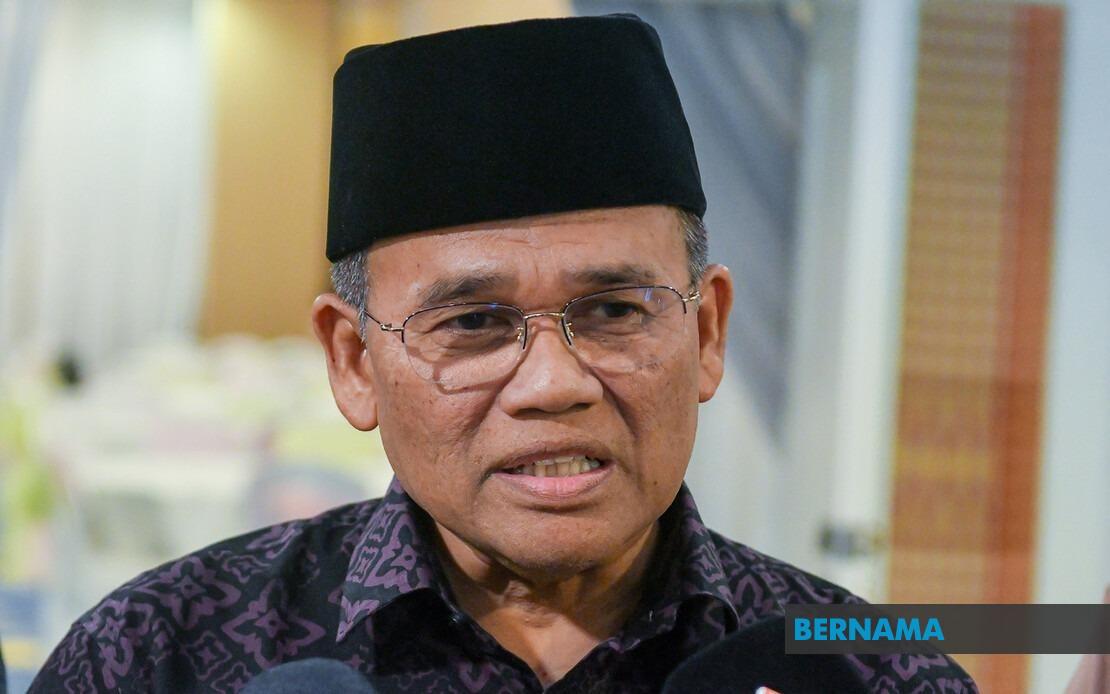
The Selangor Islamic Religious Council (MAIS) has confirmed that permission to conduct Friday prayers at the Musala IOI City Mall in Putrajaya commenced on September 6, 2024, following approval from the Selangor State Mosque and Surau Governance Committee (JATUMS) and authorisation by Sultan Sharafuddin Idris Shah. The decision represents a measured response to practical challenges faced by Muslim workers and visitors seeking to fulfil their religious obligations during the working week.
According to MAIS chairman Datuk Salehuddin Saidin, the approval emerged from a detailed assessment demonstrating that the shopping centre premises employs a substantial workforce of male Muslim workers and attracts significant numbers of Muslim visitors. These congregants face considerable difficulty accessing nearby mosques during business hours, creating a genuine hardship in observing the obligatory Friday prayer gathering, one of Islam's five foundational pillars.
The geographical barrier presents a significant obstacle to compliance. The closest mosque, Masjid Al-Mustaqim Kampung Dato' Abu Bakar Baginda, lies approximately 7.6 kilometres away, whilst Masjid UNITEN in Kajang is situated roughly 7.7 kilometres distant. For workers with limited break times and no convenient transportation, these distances effectively prevent attendance at traditional venues, necessitating an alternative solution.
Beyond mere distance, capacity constraints at existing facilities compound the problem. Both the nearby mosques lack sufficient space to accommodate the anticipated volume of congregants who would arrive from the shopping centre's premises during peak prayer times. This combination of distance and inadequate capacity created a genuine religious access challenge within the Selangor jurisdiction that demanded official attention.
Crucially, MAIS has emphasised that this authorisation carries temporary status. The permission will automatically expire once a permanent mosque is constructed in proximity to the premises and becomes operationally capable of serving the congregational needs of local workers and visitors. This sunset provision ensures the arrangement does not become a permanent substitution for proper mosque infrastructure, instead functioning as a pragmatic interim measure.
The decision requires careful contextualisation within broader religious governance in Selangor. Datuk Salehuddin previously stated that Sultan Sharafuddin had not authorised shopping centre surahs or musalas to conduct Friday prayers as a general policy. This IOI City Mall approval therefore represents a carefully circumscribed exception granted only upon demonstrated necessity, rather than a signal of liberalised rules for prayer facilities in commercial spaces. The distinction matters significantly for maintaining religious authority and standards.
The council's approach reflects collaboration between multiple religious governance bodies. MAIS has partnered with the Selangor Islamic Religious Department (JAIS) to ensure that Friday prayer management and implementation throughout the state proceed systematically, adhere to Islamic jurisprudence, and comply with relevant legal frameworks. This coordinated approach seeks to safeguard Muslim community interests while maintaining institutional integrity.
For Malaysia's broader religious management landscape, this decision illustrates how authorities balance religious obligations with practical urban realities. As shopping centres increasingly become major employment hubs and gathering places, religious accommodation questions will arise more frequently. The Selangor model—granting temporary, necessity-based exceptions while maintaining strict permanent governance standards—may offer useful precedent for other Malaysian states confronting similar situations.
The IOI City Mall arrangement also reflects economic considerations. Putrajaya, as Malaysia's administrative capital, houses numerous commercial establishments where concentrated workforces require accommodations. The decision acknowledges that modern employment patterns sometimes create religious observance challenges that historical mosque networks, designed for residential communities, cannot adequately address without supplementary facilities.
For Malaysian workers in similar circumstances nationwide, this decision signals that religious councils recognise legitimate access barriers and remain willing to provide temporary relief when demonstrated. However, the emphatic temporary nature of the approval prevents this from becoming an excuse to defer permanent infrastructure development. The responsibility for constructing purpose-built mosque facilities near major employment centres remains with relevant authorities.
The approval process itself demonstrates sophisticated religious administration. Rather than responding reactively to complaints, MAIS conducted detailed assessments examining workforce composition, visitor patterns, geographical accessibility, and existing facility capacity. This evidence-based approach grounds the decision in genuine need rather than convenience, maintaining religious principles whilst serving practical community needs.
Moving forward, this arrangement will require careful monitoring to ensure standards remain consistent with permanent mosque operations. The temporary musala must maintain appropriate conduct during Friday prayers, ensure proper solat administration, and avoid becoming normalised as a permanent alternative to dedicated Islamic facilities. These oversight responsibilities fall to MAIS and JAIS during the interim period.
Ultimately, the IOI City Mall case demonstrates that Malaysian religious governance can accommodate modern urban realities without abandoning traditional standards or permanently compromising religious infrastructure planning. The decision respects worker obligations whilst maintaining clear expectations that permanent solutions will eventually replace this temporary measure.

