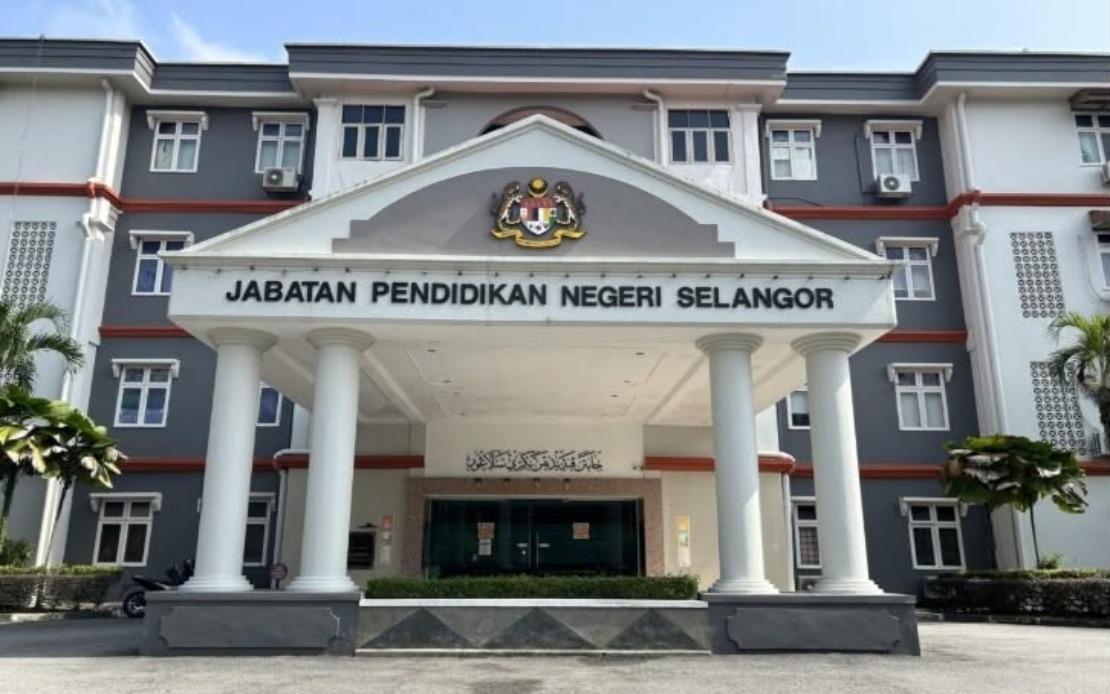
The Selangor State Education Department (JPN) has assured the public that it will provide complete assistance to authorities investigating an alleged bullying incident at a secondary school in Rawang that recently garnered widespread attention through viral social media videos. The department's commitment signals a serious response to the case, which has triggered considerable public concern about student safety and misconduct in schools across the state.
In an official statement released in Shah Alam on July 12, the JPN underscored its zero-tolerance approach to any form of student misconduct that jeopardizes the physical or emotional welfare of learners. The department made clear that no participant in the incident—whether perpetrators or those potentially involved in covering up the matter—would receive preferential treatment or protection during the investigative process. This stance reflects growing pressure on educational institutions to demonstrate accountability in handling bullying allegations that reach public consciousness through social platforms.
The viral nature of the incident highlights a critical shift in how school misconduct cases now unfold in Malaysia. What might previously have remained confined within school administrative channels now immediately escalates to public scrutiny, generating pressure on both school authorities and state education departments to respond transparently and decisively. The Rawang case exemplifies this dynamic, where social media amplification has transformed a localized incident into a matter of statewide policy concern.
Police involvement in the investigation adds another layer of severity to the case. The transition from school-level disciplinary procedures to criminal investigation suggests that the alleged bullying may have crossed thresholds that warrant intervention beyond educational governance structures. This development underscores the escalating seriousness with which Malaysian law enforcement now treats incidents of assault, harassment, or intimidation occurring within school premises or involving minors, regardless of the setting.
The JPN's explicit statement that misconduct will be addressed "in accordance with existing regulations" suggests the department will follow established protocols, which typically include student suspension or expulsion for serious offenses. However, critics often argue that regulations alone prove insufficient without accompanying reforms to school culture, peer intervention mechanisms, and mental health support systems. The investigation outcome may therefore provide an opportunity for the Selangor education system to examine whether current disciplinary frameworks adequately prevent future incidents.
Public appeals for patience with the investigative process, as articulated in the JPN statement, represent an attempt to manage the narrative during the inquiry. Educational authorities and police investigators face the delicate challenge of conducting thorough investigations while preventing misinformation or premature conclusions from circulating through social media. In cases involving minors, confidentiality concerns also complicate public communication, as authorities must balance transparency with legal protections for students' identities.
The broader context reveals that bullying incidents in Malaysian schools have become increasingly visible through digital documentation. Students now routinely record confrontations on smartphones and share them within closed social groups, from which videos occasionally escape into public circulation. This phenomenon has transformed how school administrators and parents discover incidents, often learning about bullying through viral videos rather than through formal reports. The Rawang case likely follows this pattern, suggesting that social media now functions as an inadvertent reporting mechanism for school misconduct.
For parents across Selangor and wider Malaysia, incidents like this amplify existing anxieties about whether schools provide adequately secure environments for their children. The JPN's commitment to strict action may reassure some parents, yet others may question whether punishment-focused responses truly address underlying causes of bullying, including peer pressure dynamics, inadequate supervision, or bullying perpetrators' own experiences of trauma or behavioral difficulties. Comprehensive anti-bullying frameworks typically require investment in counseling, teacher training, and systemic cultural change—interventions that extend well beyond investigating and punishing individual incidents.
The case also touches on questions about school accountability in the digital age. When videos circulate publicly, schools can no longer control the narrative or manage publicity. This new transparency potentially serves a protective function by ensuring that serious incidents receive official attention. Conversely, public exposure can interfere with investigation processes, particularly if witnesses or involved parties feel pressure to speak to media before cooperating with authorities. The JPN's request for public patience reflects awareness of these complications.
Looking forward, the investigation's conclusion and any resultant disciplinary or legal outcomes will likely influence how other schools and education officials address reported bullying incidents. High-profile cases often catalyze policy discussions about prevention strategies, including enhanced teacher supervision, peer mentoring programs, and mental health services. Whether the Selangor government uses this incident as an impetus for broader anti-bullying initiatives remains to be seen, though growing parental concern suggests potential political pressure for such measures.
The commitment from the Selangor JPN to uncompromising action in this case reflects recognition that educational institutions bear responsibility for student safety extending beyond classroom instruction. Bullying that occurs on school premises or involves school-aged peers, whether documented on video or reported through traditional channels, represents a collective institutional failure requiring systematic response. How thoroughly authorities investigate and how comprehensively schools respond to the findings will shape perceptions of educational accountability across the state.

