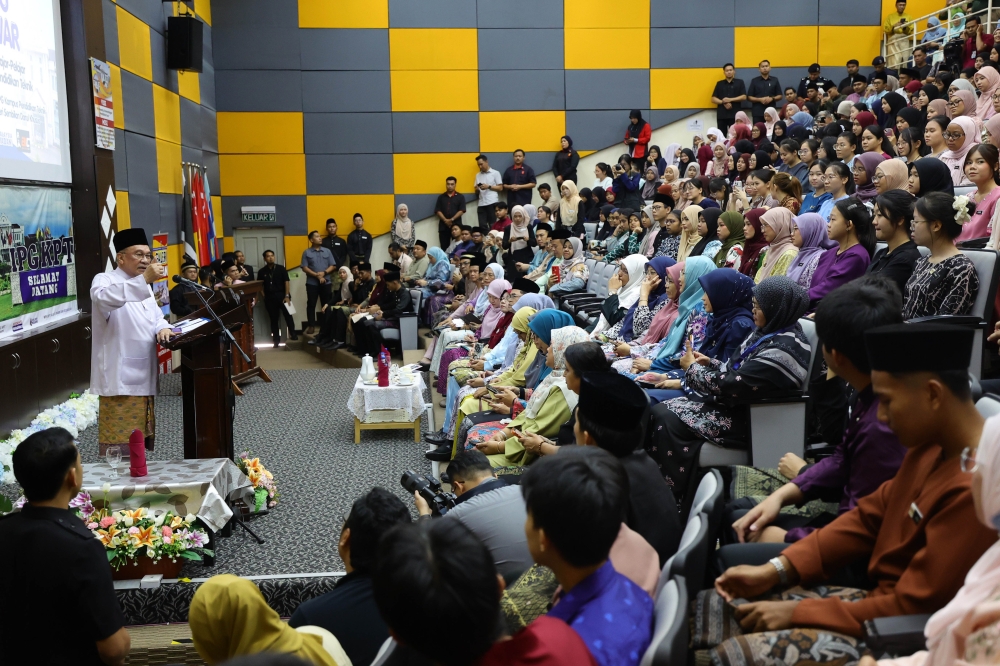
Prime Minister Datuk Seri Anwar Ibrahim has delivered a pointed message to Malaysian educational institutions: protecting a school's reputation cannot justify concealing bullying incidents. Speaking in Nilai on July 17, Anwar made clear that the wellbeing of bullied students must take priority over any concerns about how schools are perceived by the public or prospective parents.
The statement reflects growing concern among policymakers that some schools have prioritised damage control over addressing the psychological and physical harm experienced by victims. This issue has gained prominence in Malaysia as high-profile cases of school bullying have surfaced, prompting scrutiny of how institutions respond when problems emerge. Anwar's remarks suggest the government intends to hold schools accountable for transparency in such matters, moving away from what critics describe as a culture of institutional protectionism.
Bullying remains a persistent problem within Malaysian educational settings, affecting student mental health, academic performance, and social development. Research indicates that many victims suffer in silence, either because they fear retaliation or because schools discourage formal complaints. By emphasising transparency, Anwar is attempting to address the structural barriers that allow bullying to persist undetected. The Prime Minister's intervention signals that the federal government will scrutinise institutional claims that concealing incidents serves the greater good.
Schools face genuine pressure to maintain positive reputations, as these directly influence enrolment and funding prospects. However, Anwar's position establishes that this commercial and reputational interest cannot override a fundamental duty of care. The distinction matters greatly: institutions that suppress incident reporting create environments where bullies operate with impunity, ultimately causing greater damage to school culture and student outcomes than transparency would. By siding visibly with victims, Anwar is reshaping expectations around institutional responsibility.
The Prime Minister's comments also carry implications for how Malaysian schools develop and implement anti-bullying policies. Many institutions currently lack robust reporting mechanisms or fail to enforce consequences for perpetrators, partly because formal action creates records that might damage school image. Anwar's statement suggests the government may mandate stronger procedural requirements, independent investigation processes, and mandatory reporting to parents and relevant authorities. Such measures would fundamentally shift power dynamics, ensuring that incidents cannot be buried at the discretion of school management.
For Malaysian parents, particularly those with children who have experienced bullying, Anwar's remarks provide reassurance that official policy now favours transparency and victim protection. Parents who have struggled to obtain information about bullying their children faced have reason to expect easier access to incident reports and school responses. This shift could encourage more families to report problems rather than attempting to resolve them privately or, in extreme cases, withdrawing children from schools where incidents have gone unaddressed.
The position also reflects international best practice in school safety. Developed education systems increasingly recognise that transparency about bullying does not tarnish school reputation; instead, demonstrating strong responses to problems enhances institutional credibility. Schools perceived as proactive and protective attract students and families more effectively than those viewed as secretive or evasive. Anwar's framing aligns Malaysia's approach with this global consensus, positioning transparency as a marker of excellence rather than failure.
Implementing this principle will require training for school administrators and teachers, many of whom currently lack confidence in handling bullying cases. Educational institutions need clear protocols for documenting incidents, communicating with affected parties, and escalating cases appropriately. Without such infrastructure, even well-intentioned principals may inadvertently conceal problems. Anwar's statement thus implies that government support mechanisms must accompany the policy shift, ensuring schools can comply with transparency requirements without feeling unsupported.
The statement also addresses a trust deficit between Malaysian parents and schools. When families suspect institutions are concealing bullying, confidence erodes significantly. Parents begin investigating incidents independently, sometimes through social media or legal action, which amplifies rather than contains reputational damage. Anwar's explicit instruction that schools must disclose bullying offers a pathway toward rebuilding institutional trust—if schools follow through by actually being transparent, they demonstrate to parents that their concerns are taken seriously.
Looking forward, this declaration may catalyse formal policy reform. Malaysia's education ministry may introduce legislative or regulatory changes requiring schools to report bullying incidents to parents, school boards, and potentially relevant authorities. Such measures would essentially remove discretion from individual school leaders, making concealment impossible. While some administrators may initially resist losing autonomy, the long-term effect would likely improve school safety and student outcomes across the system.
Anwar's intervention also sends a signal to civil society organisations and media covering school bullying. It suggests the government will support scrutiny of schools that appear to be concealing problems, rather than defending institutional privacy claims. This supportive environment may encourage journalists and advocacy groups to investigate bullying cases more aggressively, further incentivising schools to adopt transparency as a protective strategy rather than viewing it as a threat.

