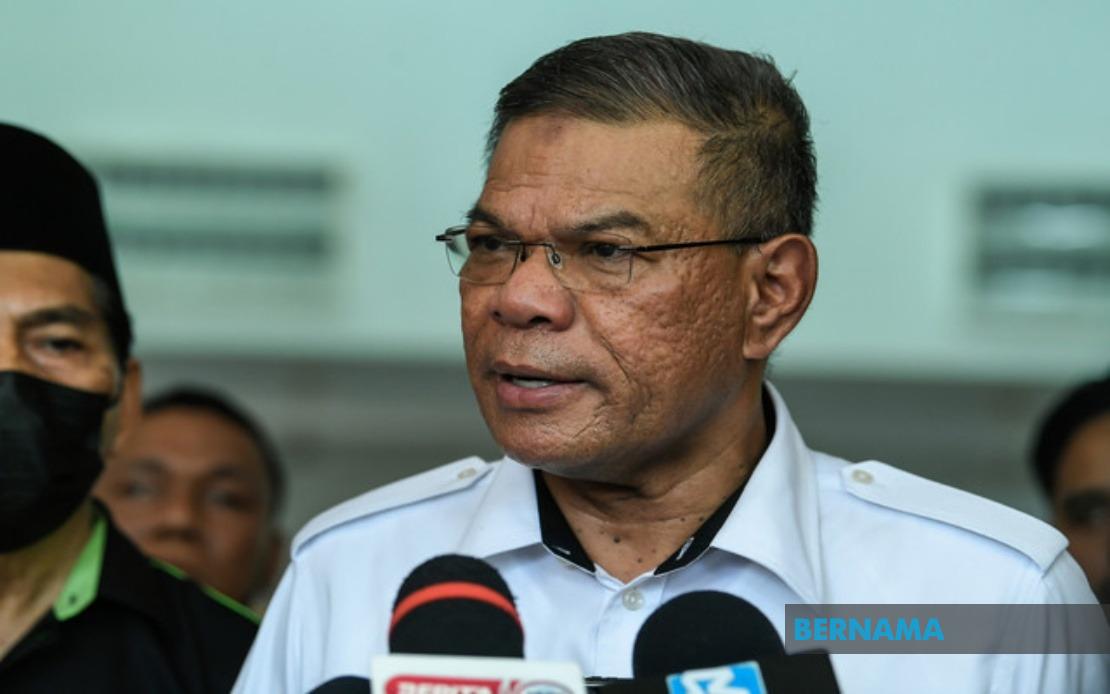
Malaysia's approach to school safety extends well beyond tackling bullying, according to Home Minister Datuk Seri Saifuddin Nasution Ismail, who stressed that police-deployed School Liaison Officers manage a multifaceted portfolio of student protection measures. Speaking in Kulim on July 22 after inspecting a damaged hostel at Sekolah Menengah Agama Tarbiah Diniah, Saifuddin outlined how the Royal Malaysia Police continues to strengthen its nationwide deployment of these specialized officers, positioning them as comprehensive guardians of campus security rather than narrowly focused enforcers.
The School Liaison Officer programme represents a coordinated security architecture that extends beyond the police force alone. The Home Ministry supplements PDRM's efforts through officers from the National Anti-Drugs Agency, who embed themselves within schools to monitor diverse dimensions of student wellbeing and institutional safety. This layered approach reflects recognition that modern school environments face challenges ranging from substance abuse to accident prevention and interpersonal violence. By positioning multiple agency representatives within schools, the government attempts to create interconnected oversight that catches problems early and responds with appropriate intervention. The recent viral bullying incident in Cheras prompted media questions about the sufficiency of current safeguards, yet Saifuddin used the occasion to broaden the conversation beyond the single issue capturing public attention.
Saifuddin illustrated this expansive mandate by referencing the case of a student who fell at a school in Kuala Nerang, an incident then under police investigation. Such accidents, while not involving interpersonal conflict, remain within the ambit of school safety that liaison officers monitor and document. This illustrates how the role encompasses environmental hazards, emergency response protocols, and accident investigation—domains that shape student security as fundamentally as preventing deliberate harm. The distinction matters for policy framing: positioning these officers as general school safety stewards rather than anti-bullying specialists acknowledges that educational institutions face heterogeneous risks requiring systematic vigilance.
The operational structure of School Liaison Officers relies on personnel drawn from district police headquarters and nearby stations who develop sustained relationships with school administrations, parent groups, and student bodies. Rather than maintaining distant oversight, these officers engage through regular programmes designed to build trust and facilitate information flow. This relationship-building function proves essential for creating environments where students and parents feel comfortable reporting concerns—whether bullying, substance issues, or safety violations—without fear of institutional dismissal. By embedding police within school communities rather than deploying them reactively only after incidents occur, the programme aims to shift the dynamic from enforcement-focused response to prevention-oriented presence.
While clarifying the scope of school liaison work, Saifuddin simultaneously addressed the immediate crisis facing 116 students at the Tarbiah Diniah hostel, which burned early on July 21. The blaze, breaking out around 2:30 am, destroyed the residential building and displaced students who lost essentially all personal possessions. The government's response combined direct financial support with longer-term infrastructure intervention: RM500 in immediate cash assistance per affected student acknowledged their urgent need to replace school essentials and clothing, while a RM200,000 allocation approved by the Prime Minister would fund temporary accommodation. This dual-track response—immediate relief married with structural solutions—reflects how crisis situations interact with broader safety frameworks.
The support package extended beyond emergency funds to include coordinated agency assistance addressing the documentation challenges that displaced students faced. The National Registration Department mobilized its mobile service to help students replace identity cards destroyed in the fire, eliminating potential bureaucratic barriers to reentry into school systems. This inter-agency coordination demonstrates how school safety extends into administrative and logistical domains that shape students' ability to maintain educational continuity after traumatic events. By addressing documentation, housing, and material needs simultaneously, the government attempted to minimize secondary disruptions following the primary disaster.
Saifuddin framed the government's intervention through the lens of MADANI administration priorities, emphasizing that incidents affecting school facilities demand immediate and comprehensive response because they directly impact children and educational access. This rhetorical positioning situates school safety within broader governance narratives about citizen welfare and state responsiveness. The allocation of emergency funds through State Development Offices—rather than requiring standard budgetary procedures—signals that school crises warrant expedited administrative processes. By characterizing the response as reflecting core government values rather than routine disaster management, Saifuddin sought to demonstrate political commitment to education and child protection issues that resonate across Malaysian society.
The Home Ministry's contributions to affected students were supplemented by a RM10,000 contribution to the school's Parent-Teacher Association, recognizing the role that parental organizations play in school governance and student support. This gesture acknowledged that recovery from institutional disasters requires community participation alongside government intervention. Parent-Teacher Associations often mobilize local resources and coordinate volunteer efforts that state agencies cannot independently provide, making them strategic partners in post-crisis school recovery.
For Malaysian readers, this narrative reveals how education safety policy operates across multiple institutional layers—police liaison roles, inter-agency coordination, emergency fund allocation, and community partnership. The expansion of school liaison officer mandates beyond bullying reflects growing recognition that comprehensive safety requires systematic attention to diverse hazards and threats. However, the emphasis on broadening the liaison role may also deflect from specific challenges posed by bullying itself, a public concern that sparked media questions in the first instance. Whether dispersing attention across multiple safety domains strengthens overall school protection or dilutes focus on serious peer violence remains a substantive policy question. The incident in Cheras that triggered this discussion suggests that Malaysian schools continue facing documented bullying problems, yet the government's response has widened the frame to encompass accidents, drug monitoring, and general safety protocols. This approach permits comprehensive school oversight but may risk treating all safety concerns as equivalent rather than allocating resources according to demonstrated prevalence and severity of different threats to student welfare.

