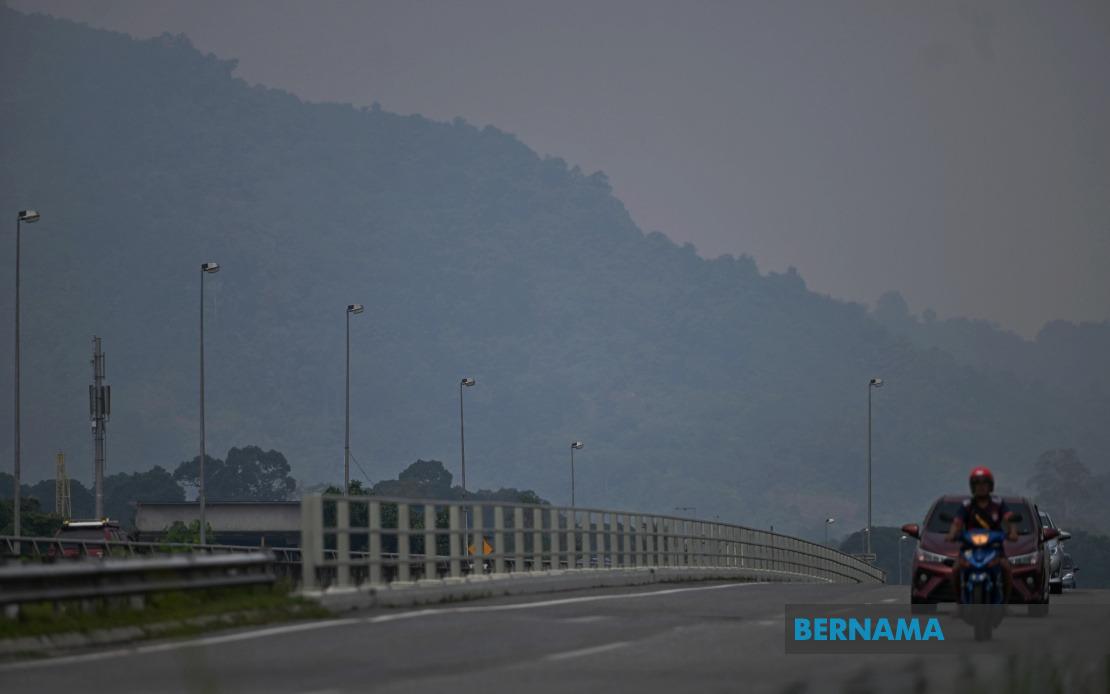
Sarawak is grappling with a significant air pollution crisis as haze originating from neighbouring Indonesia blankets the state. On August 21, the Air Pollution Index at Serian reached 227, breaching the "very unhealthy" threshold and posing serious risks to vulnerable populations. This reading stands considerably higher than most other Malaysian monitoring stations and underscores the escalating transboundary nature of regional air quality challenges that increasingly affect Southeast Asian nations.
A further nine areas across Sarawak recorded unhealthy API measurements throughout the afternoon, according to Department of Environment (DOE) deputy director-general Azuri Azizah Saedon. Sri Aman emerged as the second-most affected location with an API of 187, while Kuching, the state capital, registered 176. The deterioration extended to Samarahan (175), Sarikei (174), Sibu (157), and several other districts including Bintulu and Samalaju (both 154), with Kapit and Mukah registering 130. This widespread pattern of unhealthy readings indicates that the pollution event was not confined to isolated pockets but rather represented a regional-scale atmospheric phenomenon affecting multiple population centres.
The source of Sarawak's air quality crisis lies primarily in Kalimantan, Indonesia, where extensive agricultural burning and land clearing operations have generated massive quantities of smoke. According to the ASEAN Specialised Meteorological Centre (ASMC) report dated August 20, meteorologists detected 288 hotspots across Kalimantan—a dramatic concentration of fire sources that fundamentally altered atmospheric conditions across the wider region. Additionally, 53 hotspots were identified in Sumatra and two within Malaysian territory, namely one each in Sarawak and Terengganu, suggesting that the problem extends beyond cross-border smoke to include domestic burning activities.
Meteorological patterns have intensified the region's vulnerability to transboundary haze. The ASMC's Regional Haze Map indicated predominantly dry conditions persisting across southern ASEAN, creating ideal circumstances for sustained fire activity. However, northeastern Borneo and parts of northern Sumatra experienced sporadic rainfall, providing limited relief. The combination of these weather systems, coupled with the geographical orientation of wind currents, channelled moderate to dense smoke plumes originating from West Kalimantan directly northward into western Sarawak, establishing a corridor of pollution that trapped particulates over populated areas and agricultural zones.
For Malaysian readers monitoring developments from across the peninsula and beyond, the Sarawak situation serves as a stark reminder of how interconnected Southeast Asian air quality challenges have become. Unlike isolated incidents that might be addressed through immediate local intervention, transboundary haze requires coordinated international responses and long-term mitigation strategies. The concentration of 288 hotspots in Kalimantan demonstrates the scale upon which Indonesian land-use decisions directly affect Malaysian air quality, public health, and economic activity. This asymmetry—where neighbouring nations' actions impose external costs on Malaysia—remains a persistent diplomatic and environmental policy challenge.
In response to the escalating crisis, Malaysian authorities have activated comprehensive action frameworks designed to address both immediate symptoms and underlying causes. The DOE has intensified patrols and enforcement operations targeting open burning in high-risk areas, attempting to eliminate any domestic contributions to the pollution burden. Simultaneously, the National Open Burning Action Plan and the National Haze Action Plan have been mobilised to facilitate inter-agency coordination. These instruments theoretically enable rapid information sharing, resource allocation, and unified response strategies across government departments, though their effectiveness remains dependent on implementation capacity and political commitment.
Public safety messaging has been disseminated alongside enforcement efforts. Authorities explicitly discourage open burning and have publicised emergency contact numbers for reporting violations. The Fire and Rescue Department (emergency number 999) and the DOE's dedicated hotline (1-800-88-2727) are positioned as primary reporting channels for suspected fire activity or open burning incidents. This dual-channel approach acknowledges that rapid detection and suppression of fires before they develop into large-scale conflagrations represents a critical intervention point, despite the difficulty of preventing all unauthorised burning in dispersed rural areas.
The timing and severity of this pollution episode highlight the interconnected vulnerabilities within Southeast Asia's environmental ecosystem. As regional economies increasingly pursue agricultural expansion and land development, the risk of intensified, recurring haze events appears likely to grow unless transnational governance mechanisms are strengthened. Malaysia's experience of unhealthy air quality affecting nine locations simultaneously suggests that passive monitoring and reactive suppression strategies may prove insufficient to protect public health during future episodes. Policymakers across the region face mounting pressure to develop proactive mechanisms that address root causes—specifically the agricultural and industrial practices generating fire sources—rather than merely managing downstream air quality consequences.
For residents in affected Sarawak districts, particularly those in Serian experiencing very unhealthy conditions, the immediate priority centres on personal protective measures and health precautions. Vulnerable groups including children, the elderly, and individuals with respiratory conditions face elevated health risks when API readings exceed 200. Schools and outdoor activities typically come under scrutiny, while hospitals prepare for potential increases in air-quality-related health complaints. The persistence of these conditions underscores how environmental challenges transcend administrative and political boundaries, ultimately imposing direct costs on ordinary citizens' daily lives and wellbeing across Southeast Asia.

