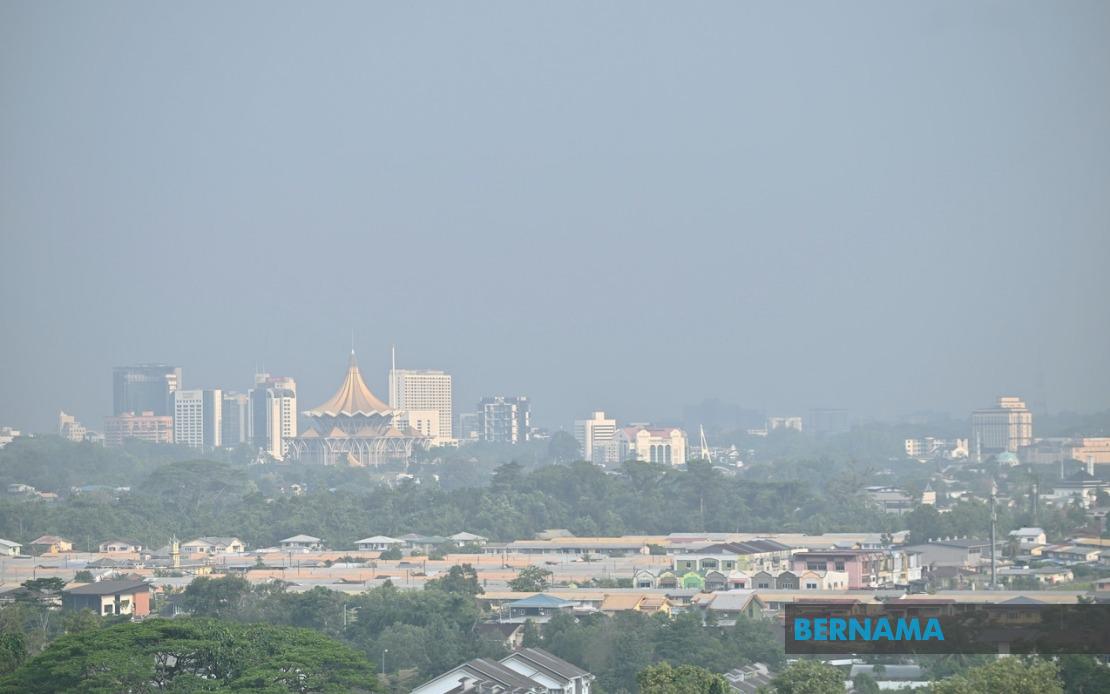
Sarawak residents face mounting pressure to reschedule outdoor activities and public gatherings as haze conditions continue to degrade air quality across the state, prompting officials to declare a precautionary alert aimed at safeguarding public health. The Sarawak Disaster Management Committee (JPBNS), led by chairman Datuk Amar Douglas Uggah Embas, has issued formal guidance recommending that both private and government-organised events be rescheduled to periods when atmospheric conditions improve, particularly those anticipated to draw substantial crowds or extend over multiple hours in open-air venues.
The advisory reflects growing concern about the cumulative health risks posed by prolonged exposure to contaminated air. In a statement released on August 22, Uggah Embas emphasised that the postponement recommendation represents a measured response designed to minimise the duration and intensity of public exposure to pollutants, rather than an outright ban on activities. This measured approach allows Sarawak authorities to balance operational flexibility with demonstrable health safeguards, acknowledging that some events can be rescheduled without significant economic disruption.
Monitoring data collected as of 8 am on the day of the announcement painted a concerning picture of air quality deterioration across Sarawak. According to the Hot Weather Update Report, eleven distinct monitoring locations registered air quality index readings classified as unhealthy, ranging between 101 and 200 on the standard scale. Additionally, six further locations measured moderate pollution levels between 51 and 100, while only a single monitoring station—highlighting how widespread the problem had become—recorded readings in the good range below 50.
The geographic distribution of pollution levels revealed particular concentration in certain regions. Serian recorded the most severe reading at 190, indicating severely compromised air quality in that locality. The state capital and surrounding areas faced similarly acute conditions, with both Kuching and Lubok Antu measuring 181. Other significantly affected locations included Lundu at 179, Samarahan at 177, Sri Aman at 174, and Sarikei at 172—collectively demonstrating that the haze problem extended across multiple divisions rather than remaining localised to any single area.
The practical consequences of these readings prompted the postponement of at least two major state-level events. Sarawak Ku Sayang, a significant cultural and community gathering originally scheduled for August 28 through 30 in Mukah, was rescheduled to an undetermined future date. Similarly, the state-level 2026 National Day celebrations, which had been planned for August 30 and 31 in Kapit, were deferred. Both cancellations were justified explicitly as precautionary public health and safety measures, establishing a precedent that major state functions would be subordinated to air quality concerns.
The JPBNS commitment to ongoing monitoring underscores the dynamic nature of the crisis. Rather than implementing static restrictions that might prove either excessive or insufficient, the committee indicated that air quality would continue to be tracked with particular attention paid to locations experiencing unhealthy readings. This surveillance approach allows authorities to provide updated guidance as conditions either stabilise or deteriorate, enabling residents and event organisers to make informed decisions about rescheduling or postponement.
Coordination among multiple government agencies forms the backbone of Sarawak's haze response strategy. The JPBNS statement explicitly referenced collaborative efforts with relevant agencies to monitor air quality and coordinate responsive measures. This inter-agency approach recognises that managing transboundary air pollution and public health emergencies requires resources and expertise distributed across several government bodies, from environmental monitoring agencies to health authorities to disaster management specialists.
For Malaysian readers beyond Sarawak, the situation underscores the region-wide nature of haze challenges during vulnerable seasons. Transboundary air pollution affecting Sarawak often originates from biomass burning in neighbouring Indonesian territories, creating dependencies on both national and international coordination for effective remediation. The precautionary approach adopted by Sarawak authorities reflects broader Southeast Asian patterns of responding to seasonal air quality crises through public advisories and event postponements.
The economic and social implications of such postponements merit consideration. Major cultural events like Sarawak Ku Sayang generate tourism revenue, employment, and cultural engagement opportunities that, when deferred, create ripple effects throughout local hospitality and entertainment sectors. However, these economic considerations are being weighed against documented respiratory health risks, particularly for vulnerable populations including children, elderly residents, and individuals with pre-existing respiratory conditions.
Looking ahead, the JPBNS commitment to coordinate measures based on evolving conditions suggests that further adjustments may occur. Whether air quality improves sufficiently to permit rescheduled events to proceed within weeks or whether haze persists into September will shape both public health outcomes and economic recovery trajectories for affected communities. The underlying message from state authorities remains clear: air quality monitoring will drive policy decisions, with public safety prioritised over scheduling convenience.

