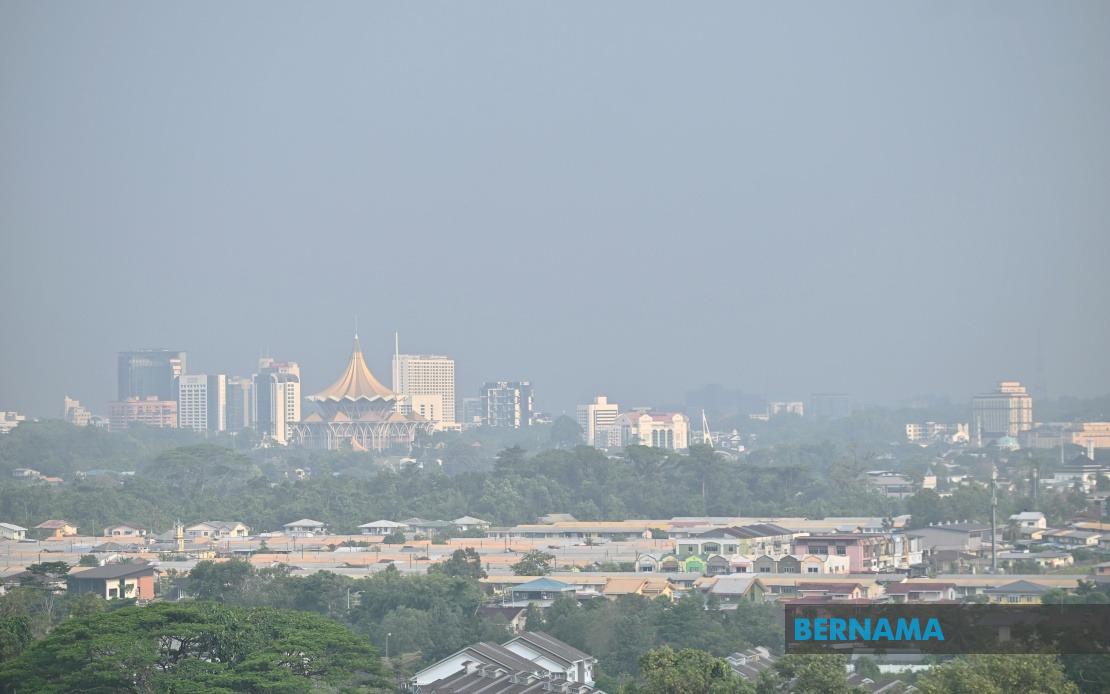
Malaysia's Meteorological Department has warned that residents across Sarawak and neighbouring areas of Borneo should prepare for an extended period of hot, dry weather stretching through to August 20. The prolonged heat spell is expected to create mounting pressure on air quality, particularly in the southern portions of Sarawak, where visibility degradation and haze formation present growing concerns for the public and local economies dependent on clear skies.
The meteorological conditions driving this phenomenon stem from a combination of atmospheric and geographical factors. Southerly wind patterns are playing a key role in sustaining the heat across the island of Borneo, while the persistent presence of numerous hotspots—likely linked to land-clearing activities and agricultural burning—continues to inject smoke and particulates into the lower atmosphere. This convergence of factors creates an environment particularly conducive to haze accumulation, especially when combined with limited rainfall to cleanse the air.
As of August 14, the situation had already reached concerning levels, with ten locations nationwide registering Air Pollutant Index readings classified as unhealthy according to official measurements. The majority of these problematic readings were concentrated in Sarawak, underscoring how severely the state is bearing the brunt of current atmospheric conditions. The unhealthy classification suggests that vulnerable populations, including children, elderly residents, and those with respiratory conditions, face genuine health risks from prolonged outdoor exposure.
For Malaysian policymakers and residents, this forecast carries significant implications. Sarawak's economy relies heavily on tourism, aviation, and outdoor commercial activities, all of which can suffer when air quality deteriorates and visibility drops. Previous haze episodes have demonstrated the economic costs of reduced productivity, increased healthcare demand, and damage to the region's international reputation. Schools may face decisions about outdoor activities, and residents may need to adjust daily routines to minimize exposure to polluted air.
The situation reflects broader environmental challenges across Southeast Asia during certain seasons. The region's vulnerability to transboundary haze stems partly from agricultural practices in neighbouring jurisdictions and the natural amplification of smoke during dry periods. While meteorological agencies can forecast conditions, addressing the root causes requires coordination between governments, enforcement of land-use regulations, and promotion of sustainable agricultural practices that minimize burning.
Meanwhile, a separate weather system is bringing contrasting conditions to northwestern Malaysia. MetMalaysia issued simultaneous warnings for thunderstorms and heavy rainfall affecting the entirety of Perlis, Kedah, Penang, and the Federal Territory of Kuala Lumpur, with the alert remaining in effect through the early afternoon of August 14. This convective activity also extended into portions of Perak, specifically the districts of Kerian, Selama, Larut Matang, Manjung, and Bagan Datuk.
Selangor's exposure to the thunderstorm warning encompassed several key districts: Sabak Bernam, Kuala Selangor, Klang, Petaling, Gombak, and Hulu Selangor. The geographic specificity of such warnings reflects the localised nature of convective systems, which can produce intense rainfall and associated hazards within relatively confined areas while leaving neighbouring regions unaffected. Residents in these zones faced potential flooding risks and reduced visibility on roads during the warning period.
The contrasting weather patterns across Malaysia's peninsula and eastern states illustrate the complex interplay of monsoon systems and local atmospheric dynamics. While Sarawak and Borneo endure heat and haze, the northwestern regions experience moisture-laden air masses that generate thunderstorm development. This meteorological divergence requires different preparedness measures and public advisories tailored to specific regional conditions.
Public awareness and timely access to weather information remain critical tools for minimising weather-related disruptions and health impacts. MetMalaysia has directed the public to monitor updates through multiple channels, including its official website, social media accounts, and the myCuaca mobile application. This multi-platform approach acknowledges that different demographic segments rely on varied information sources, from traditional web browsers to smartphone applications.
For residents in affected areas, particularly those in Sarawak facing prolonged haze risks, practical measures include monitoring air quality indices before planning outdoor activities, using appropriate air filtration masks when venturing outside during unhealthy air periods, and ensuring vehicle air conditioning systems are properly serviced. Businesses should review contingency plans for operations that depend on good visibility or outdoor work, while parents and educators should consider indoor alternatives for activities normally conducted outside.
The convergence of environmental, meteorological, and public health dimensions makes weather forecasting increasingly important for regional governance. As climate patterns continue evolving and human land-use practices expand, the frequency and intensity of atmospheric events like extended haze episodes may warrant enhanced investment in air quality monitoring infrastructure and cross-border environmental coordination mechanisms.
Looking ahead, the August 20 endpoint for Sarawak's hot spell provides a finite timeframe for the current conditions, though relief may not arrive immediately after that date. Residents and businesses should remain attentive to official updates and adjust their planning accordingly, recognising that weather forecasts represent probabilistic assessments rather than certainties. Preparedness remains the most effective response to Malaysia's variable atmospheric conditions.

