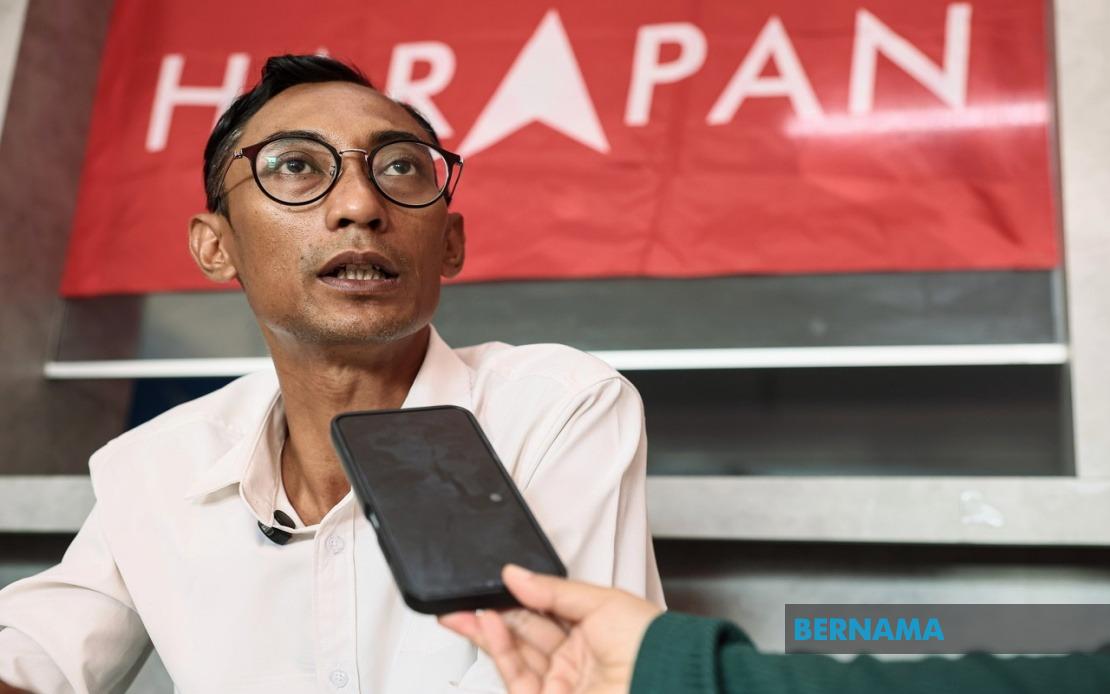
Pakatan Harapan candidate Saiful Nizam Samat is making a distinctive pitch to Endau voters by emphasizing direct communication channels with the federal government as a cornerstone of his campaign strategy ahead of Saturday's Johor state election. Speaking in Mersing on July 6, Saiful Nizam framed his 'Suara Endau ke Putrajaya' (Endau's Voice to Putrajaya) mission as a practical approach to amplifying local concerns and accelerating development initiatives that benefit the community. His positioning reflects a calculated response to the realities of Malaysian state-level politics, where alignment with the federal administration can significantly influence the pace and scope of development funding and coordination.
The candidate's rationale for emphasizing federal communication rather than competing on narrower local issues reveals a strategic calculation about what voters in a smaller district genuinely need. Saiful Nizam explained that his deliberate choice to contest in Endau rather than larger constituencies like Iskandar Puteri or Kota Iskandar stems from a desire to establish clearer communication pathways with Putrajaya. This reflects recognition that in Malaysia's centralised funding architecture, a state representative whose party aligns with the federal government can more effectively navigate bureaucratic channels and secure development allocations. The approach effectively transforms a potential weakness—contesting in a less prominent seat—into a strategic advantage by framing proximity to federal power as directly translatable into tangible benefits.
Early voter response to the campaign has reportedly been encouraging across diverse demographics, suggesting that Saiful Nizam's message is resonating beyond traditional Pakatan Harapan strongholds. The candidate noted that engagement during the first campaign week spanned age groups from young voters to senior citizens and included outreach to Orang Asli settlements, indicating a comprehensive ground operation. This breadth of appeal suggests that Endau residents, like many Malaysians, are receptive to practical arguments about development coordination and governmental efficiency, potentially transcending conventional party loyalties.
The campaign infrastructure reflects contemporary Malaysian political practice, blending traditional door-to-door campaigning with digital engagement strategies. Saiful Nizam emphasized an aggressive multi-channel approach designed to maximise message penetration throughout the constituency during the final campaign week. Notably, the campaign created a specially composed theme song intended to attract younger voters through memorable, lighthearted messaging rather than relying solely on policy exposition. This cultural dimension of modern Malaysian electioneering demonstrates how parties attempt to make political engagement more accessible and emotionally resonant, particularly among demographics that might otherwise disengage from formal political discourse.
The Endau contest has evolved into a four-way race, with Saiful Nizam facing incumbent Barisan Nasional representative Alwiyah Talib, who is seeking a third consecutive term. Perikatan Nasional's Hasnul Hakimi Hussien and Jati Awang of Parti Orang Asli Malaysia round out the field, fragmenting the vote significantly. Saiful Nizam's approach appears to deliberately sidestep direct confrontation with Alwiyah, instead choosing to emphasise the strength of his campaign mechanics and what he frames as achievable commitments to voters. This tactical positioning suggests confidence in his organisational capacity while avoiding potentially counterproductive personal attacks against a two-term incumbent with established constituency networks.
A critical component of Saiful Nizam's strategy involves mobilising diaspora voters, particularly those working in Singapore, the Klang Valley, and other regions outside the constituency. This reflects demographic realities in Malaysian electoral politics, where circular migration and work-related relocation are common. By specifically appealing to voters to return for polling day, the PH campaign acknowledges that constituency boundaries often fail to capture population distribution patterns and seeks to activate voters with continuing community ties. Such mobilisation efforts can significantly influence outcomes in constituencies where diaspora populations represent meaningful vote shares.
The emphasis on Orang Asli settlements as key campaign locations indicates recognition of a demographic whose concerns have historically received inadequate political attention in Malaysian electoral contests. By explicitly committing to visit these areas and incorporate their voices into his federal communication mission, Saiful Nizam addresses a longstanding governance gap. This outreach potentially reflects broader PH positioning on indigenous rights and environmental concerns, though whether it translates into concrete policy commitments remains to be seen in the post-election period.
Saiful Nizam's optimism appears grounded in operational confidence rather than dismissal of his opponents. By focusing on campaign machinery quality and what he characterises as realistic rather than extravagant promises to voters, he adopts a tone that emphasises competence and execution over ideological grandstanding. This pragmatic framing may appeal to voters fatigued by expansive campaign rhetoric that frequently fails to translate into implementation once elections conclude. The candidate's implicit message—that managing expectations and building efficient governance structures matters more than ambitious proclamations—resonates with contemporary voter frustration with unfulfilled political promises.
The July 11 Johor state election represents a significant test for Pakatan Harapan's strategy in Malaysia's southern states. Early voting scheduled for July 7 will provide early indicators of campaign effectiveness and voter enthusiasm. Saiful Nizam's Endau campaign exemplifies how contemporary Malaysian candidates are segmenting appeals: using conventional grassroots engagement for core supporters, digital strategies for younger voters, cultural messaging through music and creative content, and targeted diaspora mobilisation for non-resident community members. The multifaceted approach reflects sophistication in understanding that no single message or medium suffices in modern electoral competition.
Broader implications for Malaysian politics emerge from the Endau contest. The prominence of federal government alignment as a campaign pillar underscores how centralised Malaysia's development and funding mechanisms remain, even in an era of supposed decentralisation rhetoric. Voters' apparent receptiveness to arguments about bureaucratic coordination and federal communication efficiency suggests that bread-and-butter governance concerns continue to dominate electoral considerations. As the Johor election unfolds, results in contests like Endau will signal whether voters prioritise established incumbency, party-federal alignment, or campaign dynamism, outcomes that will shape Malaysian political calculations extending well beyond this election cycle.

