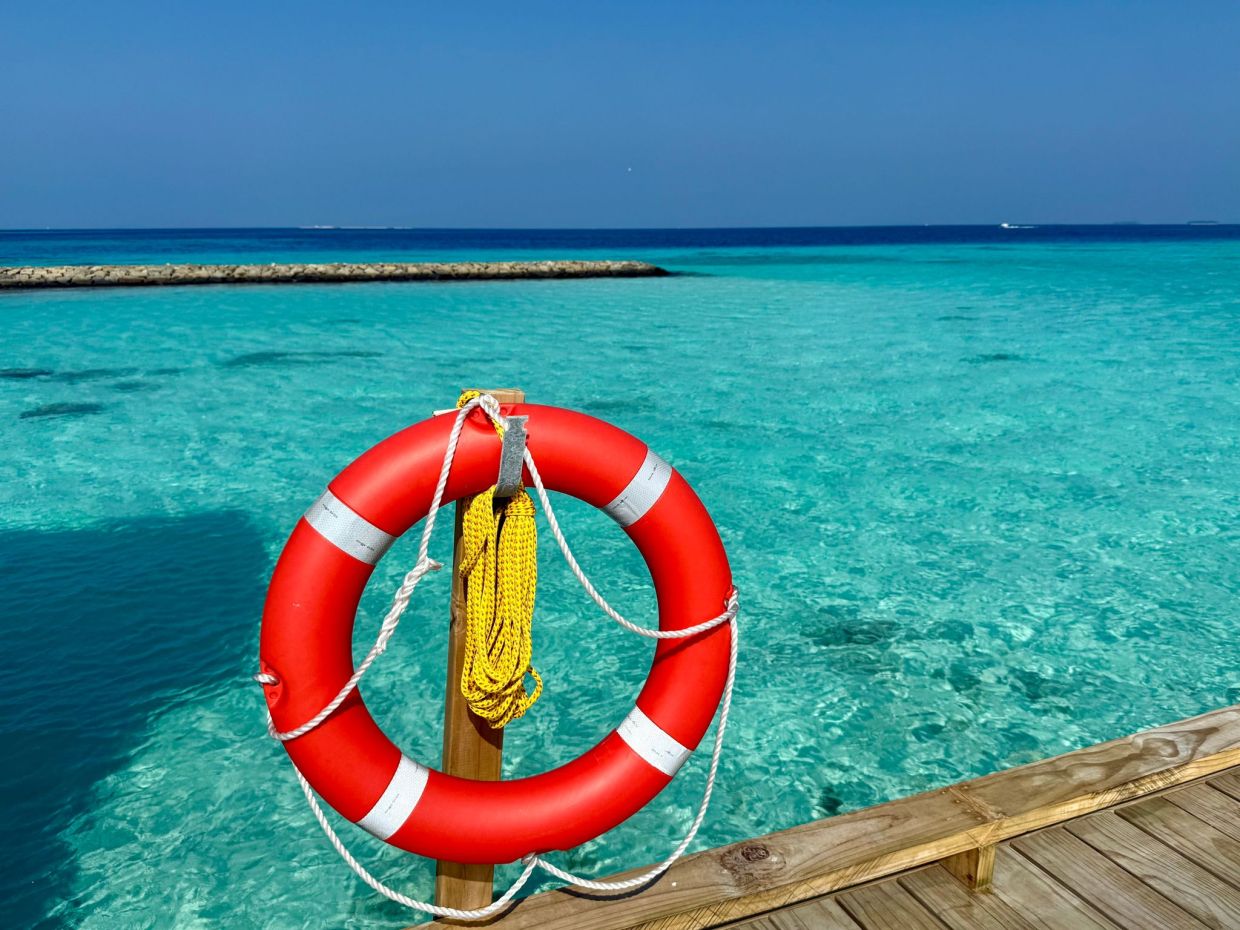
The allure of cooling off in a pristine lake, river, or sea is particularly strong during Southeast Asia's hot seasons, but the risks accompanying open-water immersion deserve serious consideration before you venture in. While recreational swimming in natural bodies of water offers genuine enjoyment and health benefits, the environment presents distinct challenges that demand proper planning and vigilant awareness. According to Peter Dawes, general manager of lifeguard operations at the Royal National Lifeboat Institution (RNLI), a critical problem lies in how swimmers misjudge both their capabilities and the surrounding dangers. This gap between perceived and actual risk regularly places swimmers in jeopardy, sometimes with tragic consequences.
One fundamental misconception involves water temperature. Regardless of how warm the air feels on a bright tropical day, water conditions can remain dangerously cold and unpredictable. Many swimmers discover this hazard too late, caught off guard by rapid heat loss and the physical shock of immersion. Dawes emphasises that water temperature poses one of the most underestimated threats to open-water swimmers. The transition from air to water is not merely uncomfortable—it can trigger involuntary gasping, disorientation, and panic responses that compromise swimming ability within seconds. Understanding local water conditions before entering is therefore non-negotiable rather than optional.
Advanced preparation substantially reduces risk. Gathering accurate information about weather patterns, tide movements, and water conditions allows swimmers to make informed decisions rather than relying on intuition or assumptions. When visiting established swimming areas, engaging directly with lifeguards provides invaluable local knowledge about specific hazards, recent changes, and safest zones. Lifeguards understand their waters intimately and can identify emerging dangers that casual visitors would miss entirely. This expert guidance proves especially valuable in unfamiliar locations where swimmers lack contextual awareness of seasonal variations and environmental patterns.
Different water environments present distinct hazard profiles requiring specific precautions. Rip currents represent a primary danger at many beach locations, capable of pulling swimmers away from shore with deceptive strength. Inland waters present contrasting threats: submerged obstacles including tree roots, branches, and debris create collision risks that sudden entry can exacerbate. Awareness of water depth changes, temperature variations, and weather shifts proves equally critical across both contexts. Dawes recommends that swimmers mentally map potential hazards before entering the water, developing contingency plans for various scenarios.
The buddy system remains one of the most effective safety strategies available. Swimming with companions ensures that help is immediately available should anyone encounter difficulty. Group swimming also provides psychological reassurance and creates accountability, reducing the likelihood of reckless decisions. Families with children benefit particularly from this approach, as supervision becomes distributed and more reliable. The principle of collective responsibility encourages all swimmers to watch for signs of distress among their companions, transforming the group into an active safety network rather than simply a collection of individuals pursuing separate activities.
Designated swimming areas marked by lifeguard flags exist for scientifically sound reasons. Lifeguards deliberately position these boundaries to encompass the statistically safest portions of beaches, often positioning them on relatively stable sandbars away from dangerous underwater currents. The area outside these flags may contain serious hazards invisible from the surface—rip currents capable of sweeping swimmers offshore, deep channels with powerful flows, or geological features that concentrate dangerous conditions. Since lifeguards cannot maintain constant visual surveillance of entire waterbodies, they concentrate protective presence within flagged zones, meaning swimmers choosing to venture beyond these boundaries forfeit active supervision.
Parental supervision of young children requires exceptionally close attention and physical proximity. Dawes advises maintaining arm's-length distance at all times, allowing immediate intervention if a child experiences difficulty. Beyond physical proximity, dressing children in distinctly bright colours substantially improves visibility, enabling parents to locate them instantly even during momentary distractions. This seemingly simple precaution prevents the tragic scenarios where children slip beneath the surface unnoticed during busy beach days. The combination of close physical contact and visual distinctiveness creates overlapping safety layers that protect vulnerable swimmers.
Proper entry technique significantly reduces the risk of cold-water shock and collision with submerged hazards. Rather than diving or jumping into unfamiliar water, swimmers should wade in gradually, allowing their bodies to acclimatise progressively to temperature changes. This measured approach permits the cardiovascular system to adapt rather than experiencing the traumatic involuntary gasping reflex that sudden immersion triggers. For those concerned about temperature or uncertain conditions, wetsuits provide thermal protection and increased buoyancy. Equally important as entry technique is identifying a safe exit point before entering the water, ensuring swimmers understand how and where they will leave the water once finished.
Water clarity significantly impacts safety assessments. Many inland waterways feature limited visibility, preventing swimmers from identifying underwater obstacles before encountering them. This restricted vision transforms the water into a potential hazard zone where gradual entry becomes essential risk mitigation. Slow, deliberate entry gives swimmers opportunity to detect unexpected obstacles through foot contact before they can cause injury. This approach proves particularly valuable in unfamiliar locations where local underwater geography remains unknown to visitors.
Despite careful precautions, emergencies can still occur. Understanding appropriate emergency response procedures is therefore essential knowledge for all water users. Should a swimmer experience difficulties, the recommended survival technique involves floating on one's back, maintaining a flat body position with ears submerged and airway clear of water. This passive floating posture preserves energy, maintains an open airway, and prevents panic from overwhelming rational thought while awaiting rescue. Practising this technique in controlled environments like swimming pools builds muscle memory and confidence that activates instinctively during actual emergencies.
Witnesses to water emergencies must take decisive action immediately. In coastal areas, calling for coastguard assistance provides fastest response from maritime specialists equipped for water rescue. Inland emergencies require contacting fire and rescue services, which maintain capabilities for river and lake operations. Providing clear location information and accurate descriptions of the situation enables responders to arrive prepared with appropriate equipment and personnel. Delayed reporting or vague information can add precious minutes to response times, potentially determining outcomes in time-critical situations. Understanding which emergency service to contact demonstrates preparedness that could save lives when moments matter most.

