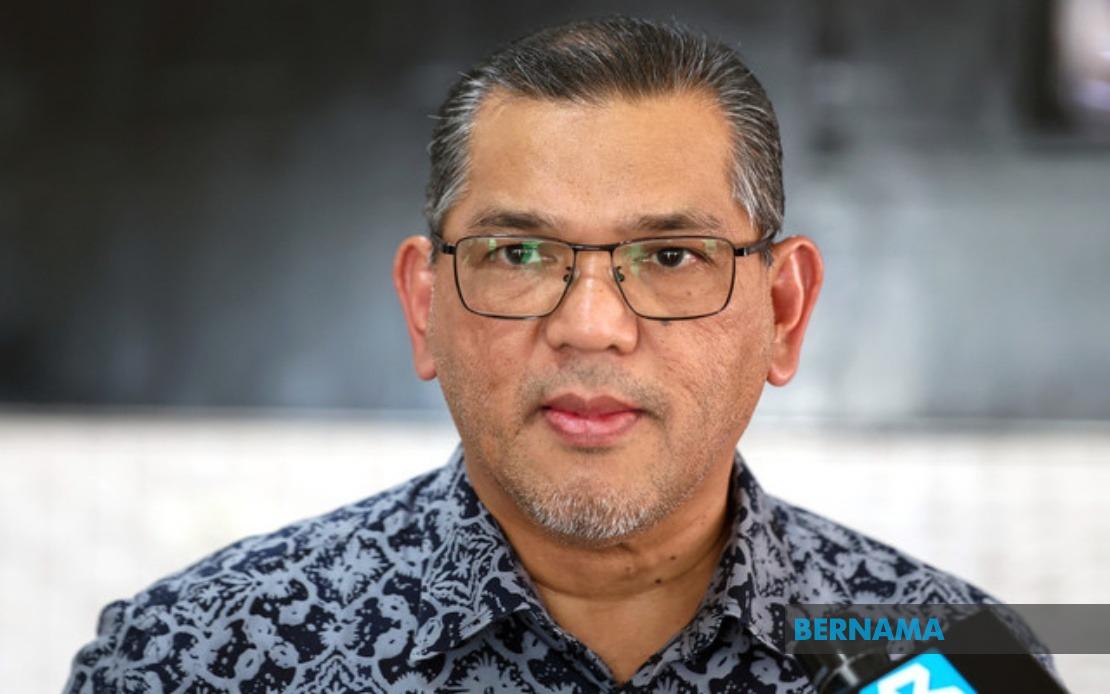
The Sabah Youth Entrepreneur Scheme (SYABAS) has emerged as a significant driver of youth economic empowerment in East Malaysia, channelling RM21 million in support to 6,951 young entrepreneurs across the state since its launch in 2022. Speaking to the State Legislative Assembly, Sabah Youth, Sports Development and Creative Economy Minister Datuk Nizam Abu Bakar Titingan highlighted the scheme's tangible impact on youth livelihoods, noting that beneficiaries span diverse sectors and have achieved varying degrees of commercial success. The programme's reach extends into even smaller constituencies, with 64 young entrepreneurs in Nabawan alone accessing support through the initiative.
What distinguishes SYABAS from typical microfinance programmes is its comprehensive ecosystem approach to youth business development. Beyond providing initial capital injections, the scheme incorporates structured follow-up mechanisms designed to maximise the survival and growth rates of funded enterprises. These support mechanisms encompass business coaching, periodic monitoring visits, and capacity-building workshops tailored to address common pain points that emerging entrepreneurs face. This hands-on mentorship component reflects a growing recognition among Malaysian policymakers that access to capital alone is insufficient—young business operators require guidance in areas such as accounting, marketing, supply chain management, and regulatory compliance to build resilient ventures.
The diversity of enterprises flourishing under SYABAS demonstrates the scheme's flexibility and the breadth of entrepreneurial ambition among Sabah's youth. Minister Nizam cited several exemplary beneficiaries whose success stories underscore the programme's potential. Amran Jining from Keningau has established a commercial-scale vegetable hydroponic farming operation, capitalising on growing demand for locally-produced fresh produce in an era of climate volatility and supply chain disruption. Erliana Said operates a specialised bakery in Tawau focusing on artisanal bread, cakes, and pastries—a niche that caters to quality-conscious consumers willing to pay premium prices for superior products. Sitti Fatimah Janna has ventured into the cosmetics sector, tapping into the expanding beauty and personal care market across Southeast Asia. These examples reveal that SYABAS recipients are not merely replicating existing business models but are identifying gaps in local and regional markets and developing competitive offerings.
The international market penetration achieved by some SYABAS beneficiaries carries strategic significance for Sabah's economic development trajectory. When young entrepreneurs successfully export their products, they generate foreign exchange, enhance the state's commercial reputation, and create employment multiplier effects through supply chain activities. This outward orientation also exposes Sabah's youth to global quality standards, international business practices, and cross-cultural commercial dynamics—assets that strengthen the state's competitiveness in an increasingly integrated Southeast Asian economy. The emergence of such export-capable enterprises within a state-level entrepreneurship scheme suggests that SYABAS is not merely addressing youth unemployment but is contributing to structural economic diversification away from traditional reliance on resource extraction and basic agriculture.
The sustainability of SYABAS-funded enterprises depends significantly on the quality and consistency of institutional support provided beyond the initial funding disbursement. The ministry's database of recipients enables targeted intervention when enterprises encounter difficulties, while the emphasis on capacity building addresses the knowledge gaps that frequently undermine young entrepreneurs operating in their first business venture. Collaborative partnerships with government agencies, training institutions, and private sector entities amplify the scheme's impact by creating pathways for funded entrepreneurs to access specialised expertise, technical training, and market linkages that would otherwise remain inaccessible to individual operators. These partnerships span sectors including tourism, agriculture, industrial manufacturing, construction, logistics, aquaculture, fisheries, digital services, and the creative industries—reflecting Sabah's economic diversification priorities.
The integration of SYABAS into broader economic development frameworks highlights how youth entrepreneurship schemes can function as tools for achieving wider state policy objectives. While immediate beneficiaries receive funding and support, the scheme simultaneously cultivates human capital, generates employment, creates tax revenues, and develops entrepreneurial capabilities that strengthen economic resilience. For Malaysian and Southeast Asian policymakers observing Sabah's approach, the scheme offers lessons in how federal and state resources can be deployed strategically to channel economic opportunities toward demographics that might otherwise face limited access to capital and business development services.
Complementing the youth entrepreneurship focus, Sabah's state government is positioning Visit Sabah Year 2027 as a catalyst for inclusive economic growth across multiple sectors. Dr Andi Md Shamsureezal Mohd Sainal, the state's Tourism, Culture and Environment Assistant Minister, articulated a vision in which tourism promotion becomes a vehicle for distributing economic benefits beyond large hospitality operators to encompass small enterprises, local communities, and grassroots stakeholders. This approach recognises that tourism's multiplier effects depend on building a comprehensive value chain spanning accommodation, ground transportation, food and beverage services, artisanal handicrafts, and community-based tourism experiences. When these components remain concentrated among large corporations, local populations capture minimal economic value; dispersing opportunities across a broader base of providers amplifies local income generation.
The deliberate construction of the Visit Sabah Year 2027 campaign around four pillars—culture, adventure, nature, and sustainability—reflects sophisticated destination branding that aligns with global tourism trends. International travellers increasingly seek authentic cultural experiences, outdoor adventure activities, natural heritage exploration, and environmentally-responsible tourism options. By positioning Sabah around these pillars rather than generic beach-and-resort messaging, the state distinguishes itself within a crowded Southeast Asian tourism market. The sustainability emphasis carries particular significance, as environmental degradation and community disruption from uncontrolled tourism represent persistent challenges across the region. By embedding sustainability as a foundational pillar, Sabah's tourism strategy acknowledges these risks and attempts to preventively integrate environmental stewardship and community benefit into tourism development from the outset.
The value chain development approach underpinning Visit Sabah Year 2027 creates natural opportunities for SYABAS beneficiaries and other small entrepreneurs to participate in the tourism economy. A young entrepreneur operating a community-based tourism venture, a handicraft producer supplying souvenirs, or a food service operator catering to visiting tourists represents precisely the type of small-scale operator that structured tourism promotion and market access support can elevate. The state government's commitment to targeted promotion for small and medium enterprises, expanded market access for local operators, and incentive structures favouring grassroots providers suggests institutional recognition that tourism's full developmental potential requires intentional strategies to include marginalised economic actors.
Industry engagement sessions currently underway to refine Visit Sabah Year 2027 programming represent critical opportunities for soliciting input from private sector stakeholders, community representatives, and civil society organisations that understand ground-level implementation challenges. These consultations should surface practical constraints facing small operators—such as transport accessibility, regulatory burdens, training deficits, and access to working capital—so that campaign programming addresses real barriers rather than assuming level playing fields. The Sabah Tourism Board's responsibility for implementing targeted marketing, facilitating small operator participation, and administering incentive programmes positions the board as a crucial institutional actor in translating policy vision into operational reality.
The campaign's full schedule expected to be released by year-end will clarify the state government's timeline and sequencing for Visit Sabah Year 2027 activities, providing clarity for private operators, community groups, and investors planning their engagement. For Malaysian businesses in other states observing Sabah's youth entrepreneurship and tourism development initiatives, these programmes offer models of how state governments can deploy targeted support, institutional coordination, and strategic promotion to expand economic opportunity. The integration of youth entrepreneurship schemes with tourism development represents forward-thinking policy design that acknowledges how overlapping initiatives can reinforce one another, multiplying developmental impact beyond what isolated programmes might achieve. As Sabah implements these interconnected strategies, their effectiveness in generating inclusive growth will provide valuable evidence for other state and federal governments contemplating comparable initiatives.

