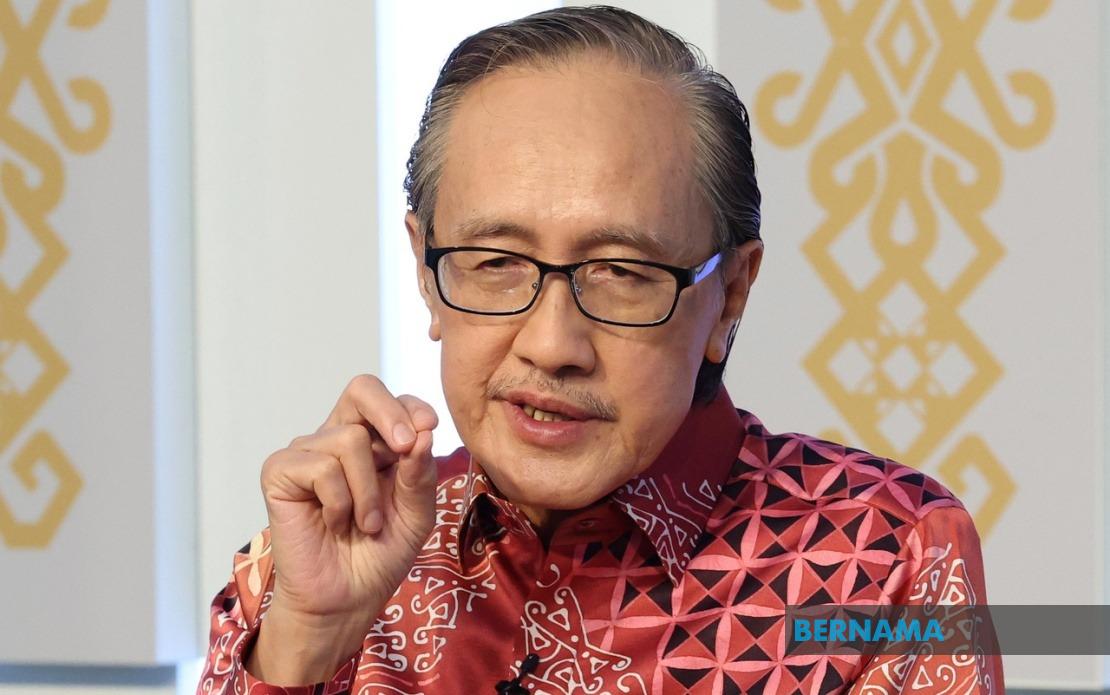
Sabah's decision to pursue legal action against Ernst & Young PLT represents a significant development in how Malaysia's state governments are responding to governance failures, with Deputy Chief Minister II Datuk Seri Masidi Manjun framing the lawsuit as evidence of the state's commitment to transparent financial management. The civil suit, filed on behalf of the Sabah state government, Chief Minister Datuk Seri Hajiji Noor, Sabah Development Bank Berhad (SDB), and SDB Corporation Sdn Bhd, seeks more than RM2 billion in damages in the Kuala Lumpur High Court and centres on alleged audit deficiencies spanning the financial years 2011 to 2022.
The legal challenge directly accuses Ernst & Young of failing to fulfil its professional obligations during statutory audits of SDB's accounts. According to the statement of claim, the audit firm's breach of its duty of care prevented the bank's deteriorating financial condition from being uncovered at an earlier stage. This allegation carries substantial implications, as it suggests that systematic auditing failures may have masked serious financial problems within a state-owned institution for more than a decade. For Malaysian investors and stakeholders monitoring governance standards across the country, such an extended period of undetected financial distress at a development bank raises questions about oversight mechanisms and institutional checks.
Masidi emphasised during his remarks at a press conference on the 2026 state-level National Day and Sabah Day celebration that the state government remains steadfast in its pursuit of sound financial management and strengthened governance structures. He articulated a deliberate stance of neutrality regarding the court proceedings, suggesting the legal system should determine the merits of the case without prejudgement. His statement that "we have nothing to hide" and that the action demonstrates Sabah's "openness" frames the lawsuit within a broader narrative of institutional reform rather than merely seeking financial recovery, though the substantial quantum involved certainly reflects the magnitude of alleged damages.
The state finance minister's assertion that the government has sued all creditors regardless of identity underscores an important principle of equitable treatment within the broader financial restructuring efforts. This non-discriminatory approach to holding service providers accountable, regardless of their prominence or international standing, signals that Sabah intends to establish consistent standards for professional conduct across all institutions serving its treasury. For a state working to rebuild trust in its financial institutions, such consistency is crucial to demonstrating that governance improvements are systemic rather than selective.
Sabah Development Bank's involvement as a co-plaintiff illustrates how the state is mobilising its institutional apparatus to recover losses and assert accountability. As a development bank serving Sabah's economic objectives, SDB's financial health directly impacts the state's capacity to fund infrastructure, support businesses, and pursue developmental priorities. An undetected deterioration in its accounts would have compromised decision-making at both the state and institutional levels, affecting resource allocation and strategic planning during a critical period of regional economic development.
The timeline spanning 2011 to 2022 merits particular attention, as it encompasses years of significant economic and political transitions not only in Sabah but across Malaysia. Multiple state administrations and federal policy shifts occurred during this decade, making it challenging to establish when the financial problems actually emerged and why detection was delayed. Auditors typically operate within parameters set by accounting standards and client instructions, so the lawsuit will likely explore whether Ernst & Young failed to exercise sufficient professional scepticism or flagged concerns adequately to governance bodies.
From a Southeast Asian governance perspective, this case carries broader implications for how countries in the region address audit firm accountability. Unlike routine audit failures that might result in regulatory sanctions or professional discipline, the scale of this lawsuit suggests Sabah believes the failures warrant full civil litigation. This approach differs from some alternatives, such as regulatory complaints to the Malaysian Institute of Accountants or disciplinary proceedings, and signals that the state views the matter as a breach of contract and professional negligence rather than merely a technical compliance issue.
For Malaysian readers and businesses engaging with audit firms, the lawsuit raises practical questions about audit quality assurance and the recourse available when audits fail to detect financial problems. Audit firms typically carry professional indemnity insurance to cover liability claims, and the suit's outcome may influence how firms price their services and structure their audit procedures in Malaysia. Larger multinational firms like Ernst & Young operate across multiple jurisdictions with varying legal frameworks, and decisions in Malaysian courts can set precedents affecting their liability exposure regionally.
Masidi's emphasis on fostering "a better governance culture" suggests that Sabah's leadership views this legal action as part of a broader institutional reform agenda. Beyond the specific dispute with Ernst & Young, the statement implies that the state government is actively working to strengthen the environment in which financial institutions operate, improve oversight mechanisms, and clarify accountability at every level. For stakeholders evaluating Sabah's economic trajectory and investment climate, such institutional focus carries significance beyond the immediate legal dispute.
The court process itself will likely reveal substantial documentary evidence about SDB's operations, audit methodologies employed, communication between auditors and management, and the basis for audit conclusions during the eleven-year period. Public disclosure through court proceedings may provide useful information about how state-owned enterprises are monitored and what systemic weaknesses existed in governance structures. For Malaysian policymakers and institutional managers elsewhere, such revelations could inform debates about audit independence, the adequacy of state-level financial oversight, and the role of external auditors in early warning systems for institutional distress.
As the case proceeds through the courts, attention will centre on whether Sabah can substantiate its allegations that Ernst & Young's audit failures directly caused or significantly contributed to financial losses that might otherwise have been prevented. The firm will likely argue that it conducted audits in accordance with applicable standards and that responsibility for financial management lies primarily with SDB's own board, management, and the state government's oversight bodies. These competing narratives will shape not only the outcome of this particular dispute but also influence how audit accountability is understood in Malaysia's public sector governance framework moving forward.

