Sabah UMNO has committed to mobilising its full campaign machinery to bolster Barisan Nasional's efforts in the upcoming Johor state election, with particular focus on constituencies containing substantial populations of Sabahan voters. The move underscores the broader coalition strategy of leveraging regional party structures and targeted voter outreach across Malaysia's diverse electoral landscape.
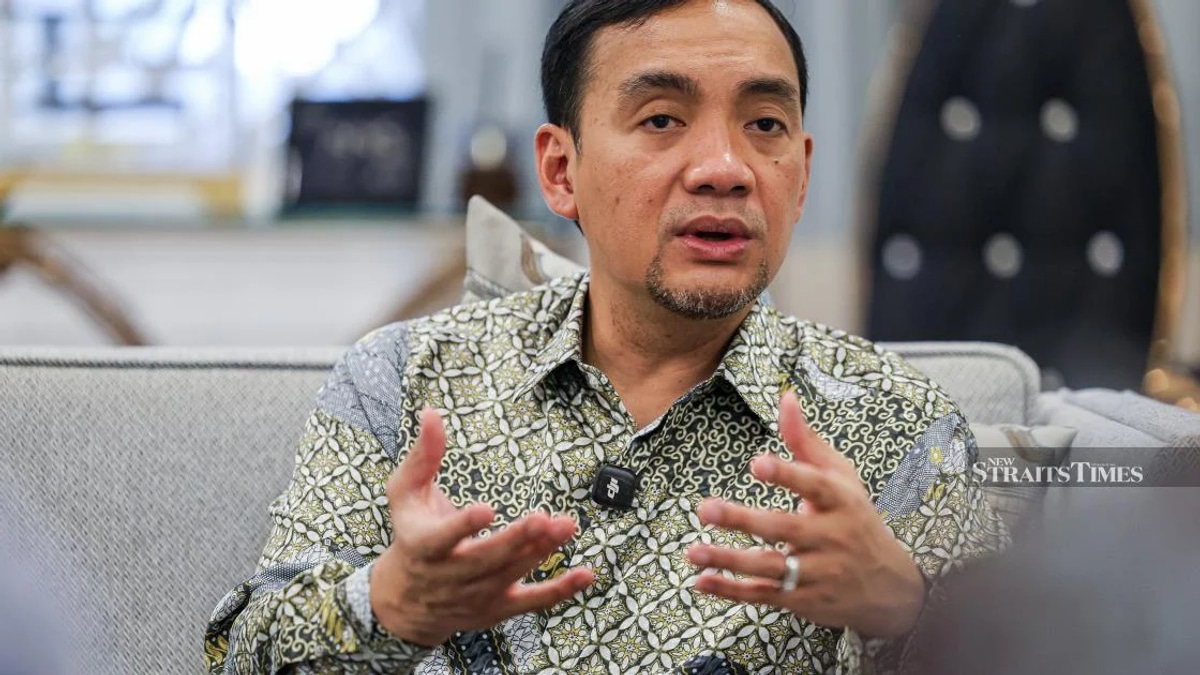
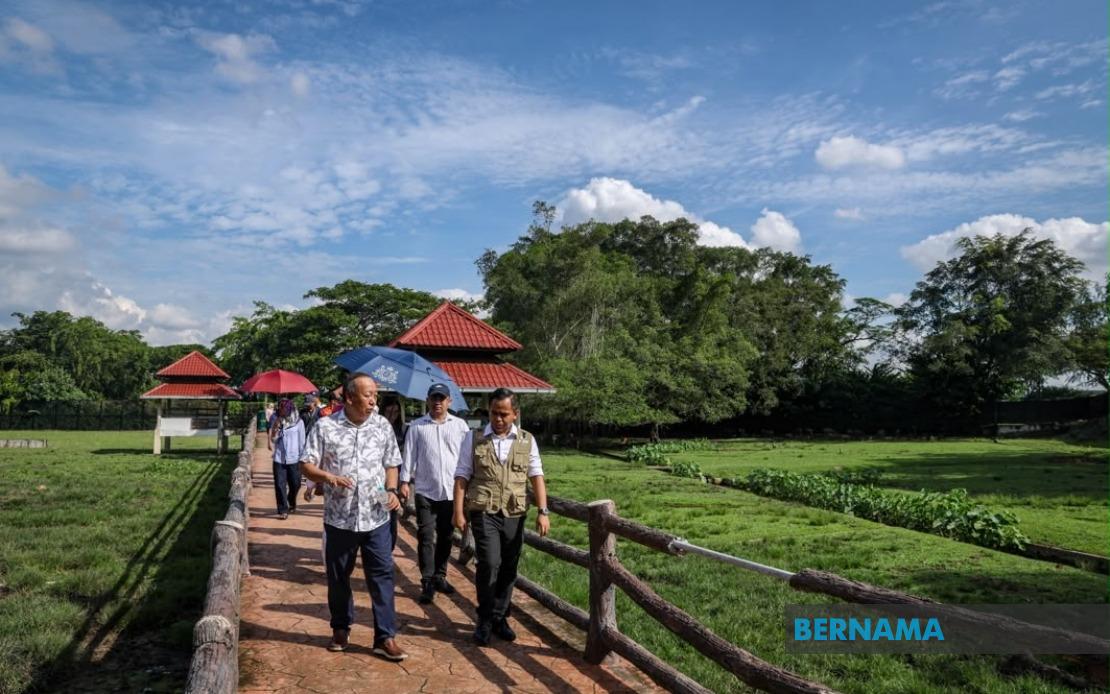
Datuk Jafry Ariffin, chairman of the Sabah UMNO liaison committee, outlined the party's assignment during a visit to Johor Zoo on June 18. Sabah UMNO has been tasked with amplifying BN's campaign presence in the Pasir Gudang parliamentary constituency, specifically concentrating efforts on the state seats of Permas and Johor Jaya. This allocation reflects a strategic recognition that these areas contain voter populations with demographic ties to Sabah, potentially creating avenues for more culturally and linguistically resonant campaign messaging.
According to current electoral records, approximately 3,000 voters originally from Sabah maintain voter registration in Permas, while a further 2,000 are registered in Johor Jaya. These figures represent a meaningful voting bloc that could prove decisive in close contests, particularly given the slim majority that BN currently commands across Johor's state assembly seats. The concentration of inter-state migrants in specific constituencies offers campaigning parties the opportunity to deploy targeted strategies that speak to the particular concerns and identities of these communities.
Jafry noted that Sabah UMNO's involvement in these constituencies is not unprecedented. Four years prior, during the 2022 Johor state election, Sabah UMNO undertook similar campaign responsibilities in Permas and Johor Jaya. This continuity of assignment suggests that the results from the previous election cycle validated the approach, or that organisational networks remain well-established in these areas. The familiarity with local conditions and voter dynamics could provide Sabah UMNO with a substantial advantage in crafting effective campaign strategies.
The experience accumulated through previous electoral engagement forms the foundation for Sabah UMNO's current preparations. Party leadership intends to extract lessons learned from the 2022 campaign to enhance effectiveness in mobilising Sabahan voters and driving support for BN candidates in the two target constituencies. This approach reflects broader patterns within Malaysian politics, where inter-regional party cooperation allows coalitions to leverage institutional knowledge and organisational depth across state boundaries.
Jafry, who simultaneously serves as Sabah's Minister of Tourism, Culture and Environment, confirmed that Sabah UMNO's organisational machinery has already begun preliminary preparations on a modest scale. These early-stage activities encompass structural coordination, volunteer mobilisation, and foundational groundwork that will intensify substantially following the nomination process. The staggered approach allows the party to build momentum gradually while preserving campaign resources for the intensive final period before polling day.
The full scope of campaign activities is expected to escalate markedly after nomination day, scheduled for June 27. This timing provides a concentrated window of approximately two weeks for intensive voter engagement and message dissemination before polling on July 11. The campaign period between nomination and polling represents the legally permitted phase for extensive electioneering, and both BN and opposing coalitions will deploy their resources most intensively during this interval.
The Johor State Legislative Assembly comprises 56 seats, forming one of Malaysia's larger state legislatures. Prior to its dissolution on June 1, Barisan Nasional held 40 seats, providing the coalition with a commanding majority position. However, the opposition remained substantial, with Pakatan Harapan controlling 12 seats, Perikatan Nasional holding three, and independent party MUDA retaining one seat. This distribution underscores the political stakes of the election, as BN seeks to consolidate its dominance while opposition parties attempt to recapture ground.
For Malaysian readers, particularly those from Sabah or with ties to the state, the mobilisation of Sabah UMNO resources carries significance beyond the immediate Johor contest. It demonstrates the integrated nature of Malaysia's federal political system, where state-level election campaigns often involve cross-regional cooperation among coalition partners. Such arrangements reveal how political parties view electoral contests through a nationwide lens, recognising that outcomes in one state can have ramifications for coalition dynamics and momentum at the national level.
The focus on specific constituencies reflects sophisticated electoral mathematics within Malaysian politics. Rather than attempting to compete equally across all 56 seats, BN concentrates resources where it perceives advantage or vulnerability. The deployment of Sabah UMNO in areas with established Sabahan voter communities exemplifies this precision targeting, allowing the coalition to maximise impact from its campaign expenditures and volunteer allocation. This strategic concentration represents an evolution from earlier, more generalised campaign approaches.
For Southeast Asian observers, the Johor election provides a window into how Malaysia's multiethnic, federal political system manages electoral competition. The deliberate engagement with diaspora and migrant voter communities demonstrates how political parties integrate demographic realities into campaign architecture. The coordination between Sabah and Johor UMNO structures illustrates the operational networks that sustain Malaysia's dominant coalitions across geographic and administrative boundaries.
The election's outcome will carry implications for BN's broader position heading into potential federal-level contests. A strong performance in Johor would reinforce the coalition's claims to renewed legitimacy and governing capacity, while any significant setback could embolden opposition narratives regarding coalition weakness or voter dissatisfaction. The involvement of multiple state party organisations, including Sabah UMNO, underscores how seriously BN leadership treats this election and the resources it is willing to expend to secure comprehensive victory across Johor's constituencies.