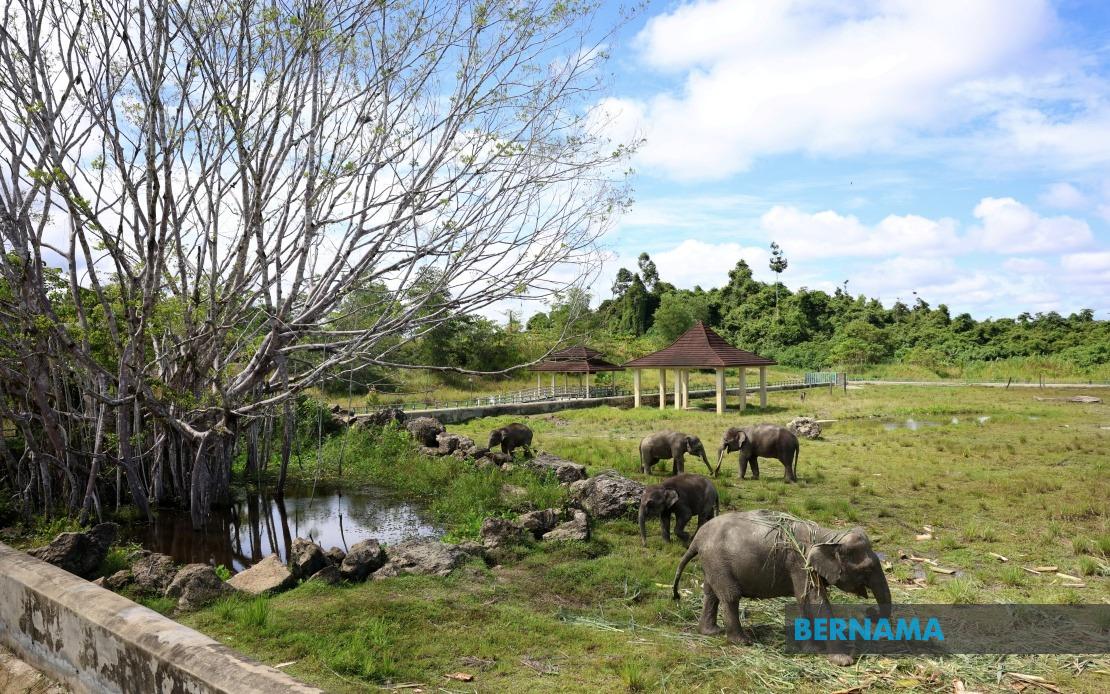
The Sabah State Legislative Assembly learned this week that a proposed elephant sanctuary in Tawau district represents the state government's latest attempt to tackle the persistent problem of human-wildlife conflict affecting farming communities and wildlife populations across the state. Datuk Dr Andi Md Shamsureezal, who oversees tourism, culture and environment matters as Assistant Minister, outlined the initiative during proceedings at the statehouse in Kota Kinabalu on July 21. The proposal has drawn interest from multiple lawmakers, including those concerned about damage to agricultural livelihoods and the environmental implications of current conflict-management approaches.
The sanctuary concept signals a strategic shift toward preventive and long-term solutions rather than reactive measures that have characterised past responses to human-wildlife encounters. Under the proposed model, the government would designate specific areas where wildlife—particularly Bornean elephants—could be managed in ways that simultaneously reduce threats to nearby communities and create opportunities for sustainable tourism revenue. This dual-purpose approach addresses both conservation objectives and economic development, making it attractive to state policymakers navigating competing interests between agriculture, tourism and environmental protection.
Datuk Seri Mohd Shafie Apdal, representing the opposition Warisan party, championed the concept as a means to create dedicated wildlife areas that function as tourist destinations while protecting farmers' interests. His proposal emerged from the broader concern that Sabah's agricultural sector, particularly smallholder farming communities in districts like Tawau, faces mounting losses from wildlife incursions. The sanctuary model addresses this frustration by offering an alternative to the current system, which relies heavily on after-the-fact interventions and compensation mechanisms that often prove insufficient.
Dr Andi clarified that the state government is collaborating with the Sabah Wildlife Department and other relevant agencies to evaluate the Tawau sanctuary proposal comprehensively before committing to expansion. This measured approach reflects recognition that any model implemented must account for Sabah's unique ecological conditions, local community needs and the behavioural patterns of different wildlife species. The evaluation phase will gather data on the sanctuary's effectiveness in reducing conflict incidents, its economic viability, and its ecological sustainability before the government considers replicating it elsewhere.
Implicitly acknowledging past shortcomings in wildlife management, Dr Andi rejected capture-and-relocation as a viable strategy for addressing human-wildlife conflicts in Sabah. Such operations, he noted, simply displace the problem to new areas without addressing underlying causes—a reality that has frustrated communities and wasted resources. This candid assessment suggests the government recognises that sustainable solutions require understanding why wildlife ventures into agricultural areas in the first place, whether through habitat loss, food availability changes or other ecological drivers.
The state's existing toolkit for managing conflicts is multifaceted, combining community engagement with technology and species-specific approaches. Elephant ranger teams, which involve local residents in conflict areas, serve as both early-warning systems and employment opportunities that align community interests with conservation. The deployment of satellite collars on selected elephants represents a technological approach to understanding animal movements and predicting where conflicts might occur, allowing communities to prepare or relocate livestock and crops preemptively.
Wild boar and monkey populations present distinct challenges that demand tailored responses distinct from elephant management. The Wildlife Department has initiated controlled monkey population management in targeted zones to reduce disease transmission risks and protect public health, while boar control programmes operate within legal frameworks informed by risk assessment and formal complaints from affected farmers. These species-specific strategies acknowledge that blanket approaches typically fail because different animals respond to environmental pressures and human presence in fundamentally different ways.
For Malaysian and Southeast Asian observers, Sabah's experimentation with sanctuary models carries broader significance as the region grapples with balancing economic development against biodiversity preservation. Other Malaysian states facing similar pressures—from Pahang's conflicts involving elephants and tigers to Peninsular Malaysia's human-wildlife encounters—may look toward Sabah's experience for applicable lessons. The sanctuary approach offers a potential framework for states seeking to move beyond reactive conflict management toward proactive coexistence strategies that benefit both wildlife and communities.
The success or failure of the Tawau sanctuary will likely hinge on factors including adequate funding, community buy-in, tourism market viability and the willingness of local governments to enforce boundary protections. The initial evaluation period will test whether wildlife can be effectively confined to designated areas, whether such confinement reduces agricultural damage measurably, and whether tourism revenue justifies the investment. These outcomes will determine whether the model can be meaningfully transferred to other districts or whether modifications are necessary to account for regional variations in geography, wildlife populations and economic structures.
The proposal also reflects evolving regional thinking about the relationship between conservation and development. Rather than treating these as opposing forces, the sanctuary model proposes integration—creating spaces where ecological integrity, livelihood protection and economic opportunity coexist. Should the Tawau experiment succeed, it could influence how other Southeast Asian states approach similar challenges, particularly in Malaysian Borneo where wildlife populations remain relatively robust but human populations continue expanding into traditional animal habitats.

