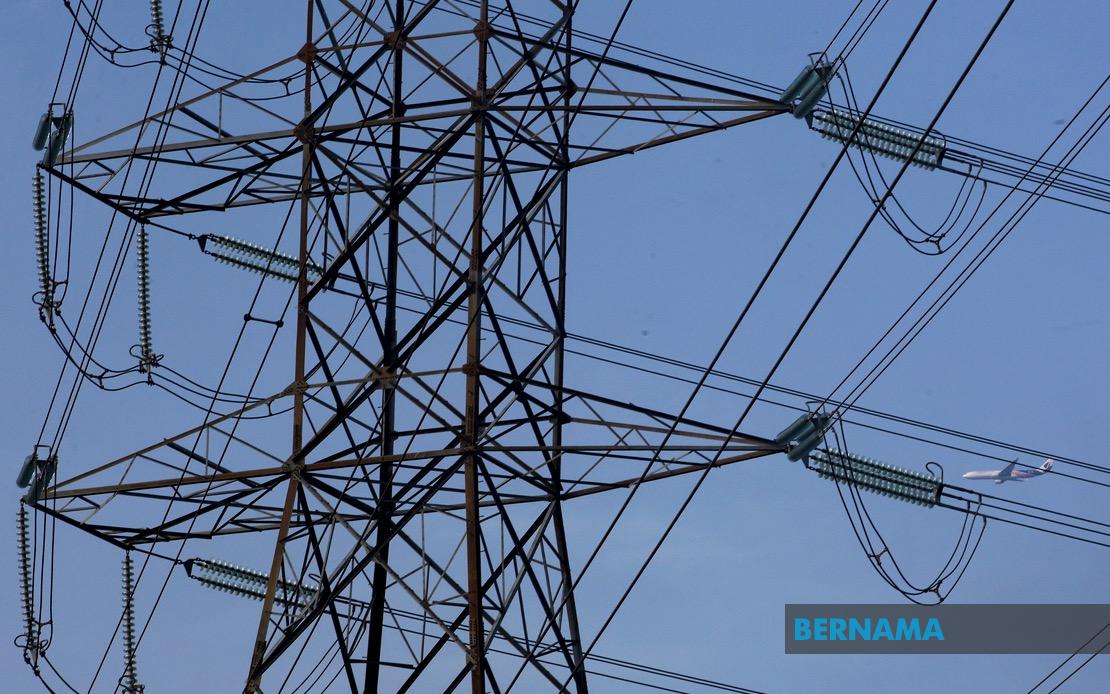
Sabah Electricity announced on June 29 that it will introduce scheduled power rationing across several areas throughout the state, responding to an unexpected crisis in energy generation triggered by disruptions to the gas supply feeding multiple power facilities. The decision reflects mounting pressure on the state's electrical grid as available generating capacity has fallen below operational thresholds, necessitating controlled measures to preserve system stability and prevent cascading blackouts that could affect far larger populations.
The underlying cause centres on supply problems affecting natural gas delivered to power stations across Sabah. Gas is a critical fuel source for electricity generation in the state, and when supply chains experience interruptions, generating stations must either reduce output or shut down entirely. This situation has squeezed the reserve margin of the Sabah Grid System—essentially the buffer of spare capacity that operators maintain to handle unexpected demand spikes or equipment failures. Without adequate reserves, the entire grid becomes vulnerable to collapse if any further facility goes offline.
Load management, in utility industry terminology, means deliberately disconnecting customers from the network in a controlled, rotating pattern rather than experiencing unplanned, widespread outages. Sabah Electricity's approach distributes the inconvenience across different areas on a schedule rather than leaving some zones without power indefinitely while others maintain supply. This prevents damage to sensitive equipment and ensures equitable treatment of consumers across regions, though it necessarily means planned inconvenience for affected households and businesses.
For Sabah's economy and residents, the implications are significant. The state has been experiencing growth in tourism, manufacturing, and agriculture sectors, all of which depend on reliable electricity. Hotels, processing plants, and cold-storage facilities face operational challenges during rationing periods. Small and medium enterprises operating from home or in shared commercial spaces must adjust work schedules around blackout windows, reducing productivity and potentially affecting income. Healthcare facilities typically receive priority protection during rationing, but clinics and smaller medical providers may still experience disruptions.
Sabah Electricity emphasised that this measure remains temporary, dependent on restoration of gas supplies and recovery of generating capacity to normal levels. The company has stated it is coordinating with all relevant stakeholders—likely including gas suppliers, pipeline operators, and state government agencies—to resolve the underlying supply problem as rapidly as possible. Simultaneously, grid operators are employing optimisation techniques to extract maximum efficiency from available generation, whether through demand-side management or adjusting the sequence and timing of plant operations.
The broader context for Malaysian readers involves understanding how the eastern Malaysian state remains somewhat isolated from Peninsular Malaysia's integrated power grid. Sabah relies primarily on localised generation and gas supplies, giving it less flexibility to import power during emergencies compared to western regions. This structural vulnerability has surfaced periodically, making infrastructure investment and supply security ongoing policy challenges for Sabah's economic development.
Communication strategy appears central to Sabah Electricity's crisis management. The company has designated its official Facebook careline as the primary source for updates on affected areas and rationing schedules, reflecting modern utility practices of using social media for rapid, two-way engagement with consumers. The hotline 15444 provides an alternative contact point for individual enquiries. Crucially, the utility has cautioned consumers against spreading unverified information, recognising that false reports about blackout schedules can create panic, hoarding, or unnecessary industrial shutdowns.
For businesses planning operations in Sabah during this period, the uncertainty about exact duration and affected areas presents genuine logistical challenges. Companies relying on continuous power—data centres, manufacturing lines, commercial refrigeration—may need to activate backup generators or adjust schedules. The state government may need to coordinate temporary relief measures for affected businesses, particularly smaller enterprises without independent power backup capacity.
Historically, gas supply disruptions in resource-rich Sabah have occasionally exposed vulnerabilities in the state's energy infrastructure despite abundant natural resources. This incident underscores the difference between possessing resources and reliably delivering them to end users. Pipeline maintenance, geological challenges, or upstream production issues can interrupt supply chains, highlighting why diversified generation sources—including hydroelectric, solar, and potentially renewable options—may strengthen long-term energy security.
The apology issued by Sabah Electricity reflects standard utility crisis communication, acknowledging customer inconvenience while requesting patience. In practical terms, residents and businesses should monitor official channels closely for updates on their specific areas, prepare for potential outages by ensuring backup lighting and charging devices, and adjust schedules where possible. Industrial and commercial users should contact Sabah Electricity directly to understand how rationing affects their locations and plan contingencies.
Looking ahead, this incident will likely influence discussions within Sabah about energy infrastructure resilience and the merits of supply diversification. State policymakers may face renewed pressure to accelerate renewable energy projects or establish strategic reserves that could buffer against supply disruptions. For Malaysia's energy sector broadly, the situation illustrates how even resource-abundant regions remain vulnerable to infrastructure bottlenecks and supply-chain dependencies that can ripple through economies.
Consumers and businesses should expect the rationing to persist until Sabah Electricity confirms that generation capacity has recovered and grid reserves have stabilised to safe operational levels. The company's commitment to working with relevant parties suggests coordination with gas suppliers and possibly federal authorities, though timelines for resolution remain uncertain. Residents are advised to stay informed through official channels rather than relying on rumour or social media speculation about outage schedules.

