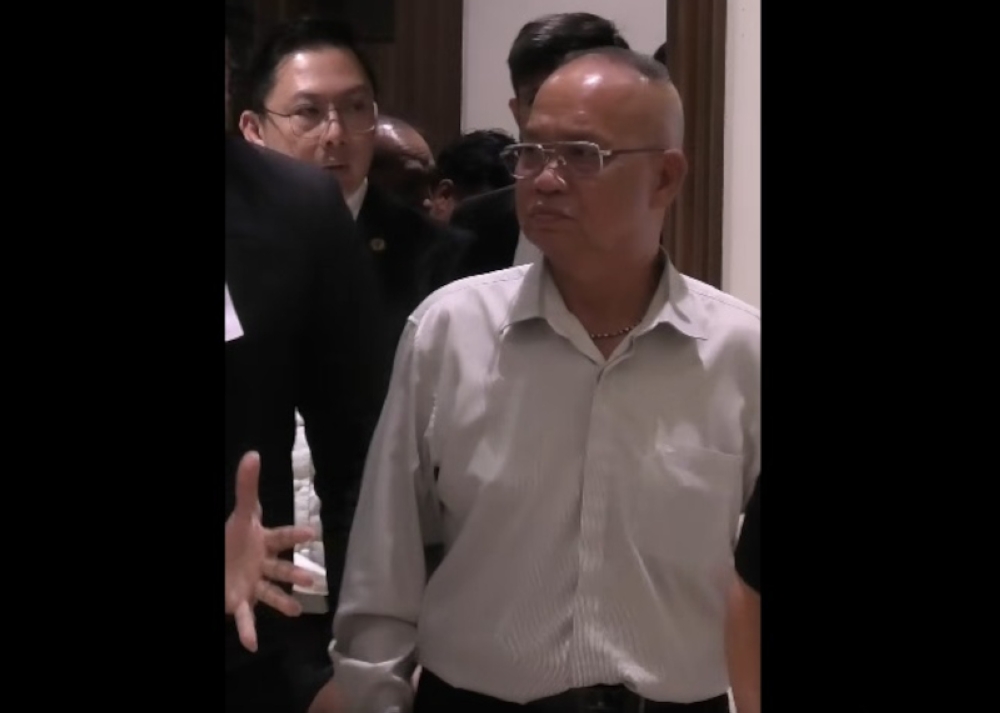
Makinsos Nawai, president of Pertubuhan Rungus Bersatu Sabah (PRBS), has mounted a formal defence against graft allegations linked to the administration of funds earmarked for a community cultural facility. His plea of not guilty marks the transition of the case into trial proceedings before the Sessions Court in Kota Kinabalu, shifting momentum from investigation to judicial examination of the charges levelled by the Malaysian Anti-Corruption Commission.
The allegation centres on the handling of RM2 million designated for the development of a Rungus cultural hall. The MACC's intervention reflects growing scrutiny of how state-level infrastructure and community development projects are managed in Sabah, particularly those involving indigenous communities and their representative organisations. The Rungus people, an ethnic group primarily based in the Kunak and Semporna districts of Sabah, have long sought enhanced cultural recognition and preservation initiatives.
The decision to proceed to trial suggests the MACC accumulated sufficient evidence to support prosecution, though Nawai's not guilty plea signals his legal team's confidence in challenging the state's case. Trial proceedings will require the prosecution to present documentary evidence, financial records, and potentially witness testimony to substantiate its claims regarding the project's fund management. This extended judicial process may shed light on governance practices within NGOs managing substantial public resources in East Malaysia.
Such cases carry significance beyond individual accountability. They illuminate the broader ecosystem of community development funding in Sabah, where NGOs frequently act as intermediaries between government allocations and grassroots implementation. The trial's progress could establish important precedents regarding fiduciary responsibilities and transparency expectations for organisations handling state-sponsored cultural initiatives.
The case also emerges within a broader context of anti-corruption enforcement in Malaysia. The MACC has intensified its oversight of regional project management, particularly in Sabah and Sarawak where decentralised governance structures sometimes complicate financial accountability chains. Indigenous development projects have occasionally attracted scrutiny due to the complexity of stakeholder interests and fund distribution mechanisms.
For the Rungus community itself, the proceedings present a delicate situation. PRBS functions as a cultural custodian and advocacy platform for indigenous interests, and legal complications involving its leadership could affect its capacity to mobilise resources for community priorities. The outcome may influence how government bodies structure future cultural funding arrangements with similar organisations.
The trial will necessarily examine the relationship between project conception, fund allocation, and actual implementation expenditure. Questions likely to emerge include whether allocated resources were deployed as intended, whether procurement processes adhered to regulatory standards, and whether governance documentation adequately recorded decision-making. These inquiries reflect standard anti-corruption investigations but become particularly important when public funds targeting vulnerable communities are involved.
Matters of cultural preservation in East Malaysia often intersect with development concerns and indigenous rights advocacy. The Rungus people have historically advocated for greater recognition of their distinctive cultural practices and language, making community-focused infrastructure projects significant beyond mere construction. The alleged irregularities, if substantiated, would represent a breach of public trust invested in organisations dedicated to cultural advancement.
Kota Kinabalu's Sessions Court will oversee proceedings that could extend over several months, depending on evidentiary complexity and procedural developments. Both the MACC's prosecution team and Nawai's defence counsel will present their respective narratives regarding fund management. The court's examination will ultimately determine whether the allegations hold merit or whether the charges lack sufficient substantiation.
Sabah's civil society landscape includes numerous NGOs managing government-funded initiatives across education, cultural development, and community welfare. This trial carries implications for how such organisations conduct their affairs and maintain governance standards. Enhanced scrutiny, while potentially burdensome, can strengthen institutional practices and public confidence in fund deployment.
The case underscores ongoing tensions between grassroots community organisations and formal regulatory frameworks. While accountability mechanisms serve essential functions in preventing misuse of public resources, they must also accommodate the operational realities of NGOs working in remote areas with limited administrative infrastructure. How the court balances these considerations will matter for future government-NGO partnerships in Sabah's development agenda.
As the trial unfolds, observers will monitor whether financial documentation, witness accounts, and project records substantiate the MACC's allegations or vindicate Nawai's denial. The proceedings will likely generate wider discussion about governance standards, cultural funding mechanisms, and oversight responsibilities affecting community development initiatives across East Malaysia.

