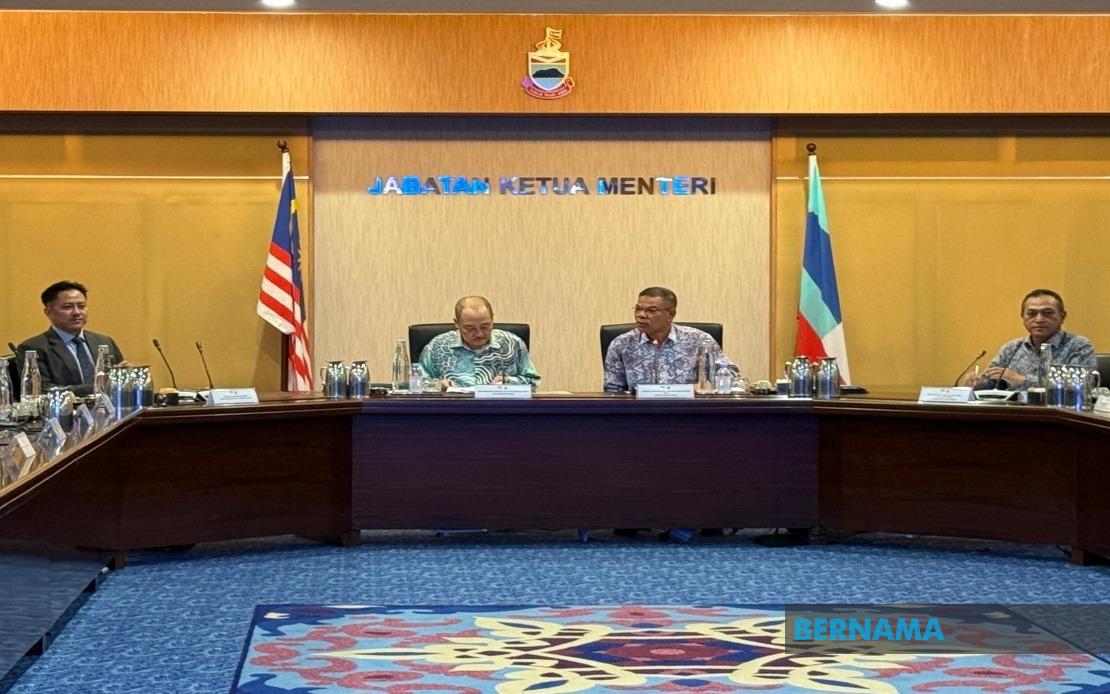
Sabah's leadership is mounting a coordinated diplomatic campaign to persuade foreign embassies and high commissions stationed in Malaysia to reassess and potentially lower their travel advisories for Eastern Sabah, citing substantial improvements in regional security conditions. Chief Minister Datuk Seri Hajiji Noor unveiled this initiative following a Joint Committee meeting on Eastern Sabah Security, arguing that updated travel guidance from major diplomatic missions would restore international visitor confidence and unlock economic benefits for the state's eastern coastal tourism sector.
The diplomatic strategy hinges on communicating a key security milestone: Eastern Sabah has recorded zero kidnap-for-ransom incidents since January 2020, marking six consecutive years without such criminal activity. This achievement represents the culmination of coordinated efforts by security agencies and reflects the stabilisation of what was previously one of Southeast Asia's most volatile maritime zones. Hajiji contended that foreign missions, which typically maintain travel advisories based on security assessments updated at regular intervals, have not fully recalibrated their guidance in light of these sustained improvements, creating a perception gap between actual safety conditions and official warnings.
The meeting, held at Menara Kinabalu in Kota Kinabalu, brought together federal and state authorities in a demonstration of unified governance on maritime security matters. Home Minister Datuk Seri Saifuddin Nasution Ismail co-chaired proceedings alongside Hajiji, underscoring the strategic alignment between Putrajaya and the state government on border protection and regional stability. This collaborative positioning signals that the diplomatic push carries endorsement from the highest levels of Malaysia's security establishment, potentially strengthening its effectiveness when conveyed to foreign missions.
Hajiji's recent field visit to six islands in Sabah waters provided him direct observation of security infrastructure and operational readiness across the Eastern Sabah Security Zone. This hands-on assessment allowed the Chief Minister to gather current intelligence on ground conditions, enabling him to speak with authority when engaging foreign diplomats about the reality of security deployments and their effectiveness. The visit demonstrated active state-level oversight of security operations and reinforced the narrative of continuous improvement across the region.
The Eastern Sabah Security Command, the primary operational body responsible for the zone's defence, and its partner agencies—including the Royal Malaysia Police, Malaysian Armed Forces, and Malaysian Maritime Enforcement Agency—have sustained intensive operations that produced the six-year kidnap-for-ransom-free record. Recognition of these agencies' contributions, formally articulated by Hajiji at the meeting, acknowledges the human cost of maintaining border security. Personnel stationed at frontier posts face demanding conditions, and the Chief Minister's commitment to upgrade security assets and enhance operational preparedness reflects understanding that maintaining current security levels requires ongoing investment and personnel welfare improvements.
The timing of this diplomatic initiative carries significance for Sabah's economic recovery. International travel advisories function as powerful market signals that influence tourism industry investment, tour operator willingness to market destinations, and individual traveller decision-making. Many source markets, particularly Western nations with risk-averse traveller demographics, remain influenced by government travel warnings. By securing revisions to these advisories, Sabah can reposition itself in international tourism marketing, potentially attracting higher-value visitor segments and enabling state tourism operators to expand offerings along the east coast.
For Malaysian tourism more broadly, the initiative reflects recognition that security perceptions, not just security realities, shape visitor flows and foreign exchange earnings. Eastern Sabah's situation exemplifies how previous security challenges, though genuinely addressed, continue to overshadow a region's international reputation. Successful diplomatic engagement could establish a precedent for how Malaysia manages security-tourism intersections in other post-conflict or post-instability regions seeking rehabilitation of their international image.
The Eastern Sabah Security Zone encompasses Malaysia's most strategically sensitive maritime frontier, bordering the southern Philippines and proximate to major international shipping lanes. Maintaining stability in this zone carries implications extending beyond Sabah's borders, affecting Malaysia's broader regional security posture and Southeast Asian maritime stability. The six-year kidnap-for-ransom-free record represents success in an area where transnational criminal networks, separatist groups, and maritime piracy historically posed serious threats. This success merits international recognition and understanding, particularly among key source markets for Sabah tourism.
The Home Ministry's involvement through Saifuddin and its Secretary-General's attendance signals that the diplomatic campaign operates within formal government channels rather than as an ad-hoc effort. This institutional backing suggests that Malaysia may undertake structured outreach to diplomatic missions in Kuala Lumpur, potentially including briefings from security officials, updated threat assessments, and detailed presentations on infrastructure improvements and operational successes. Such engagement typically proves more persuasive than one-way communications and allows foreign diplomats to pose questions and raise concerns directly.
Successfully lowering travel advisories faces obstacles beyond security improvements alone. Diplomatic missions often maintain conservative advisory stances to mitigate liability and respond to worst-case scenarios rather than typical conditions. Additionally, advisory upgrades proceed through bureaucratic processes that move slowly, with some nations conducting periodic rather than continuous reviews. Sabah's diplomatic push must therefore target not only the rationale for advisory revision but also the decision-making timelines and institutional processes within foreign governments.
The initiative also reflects understanding that security sustainability requires international validation and recognition. Foreign embassies' advisory downgradings would serve as third-party endorsements of Sabah's security improvements, carrying weight that state or federal government claims alone might not achieve. This validation would support Sabah's own marketing efforts and provide reassurance to international investors, tour operators, and potential visitors who view government advisories as credible risk assessments.
Beyond tourism implications, lower travel advisories may facilitate business investment, international conferences, and educational exchange in Eastern Sabah. Regional development patterns often cluster around destinations perceived as safe and accessible to international visitors and investors. By removing or downgrading travel warnings, Sabah could unlock broader economic opportunities beyond the tourism sector.
The diplomatic campaign represents a strategic recognition that in today's globalised information environment, security achievements require corresponding diplomatic communication to international stakeholders. Sabah's six-year kidnap-for-ransom record constitutes a genuine security success, but that success only generates economic and developmental benefits when foreign missions, investors, and travellers receive updated information and revise their risk assessments accordingly. The state's push for diplomatic engagement addresses this communication gap directly, potentially transforming hard-won security gains into tangible economic returns for Eastern Sabah.

