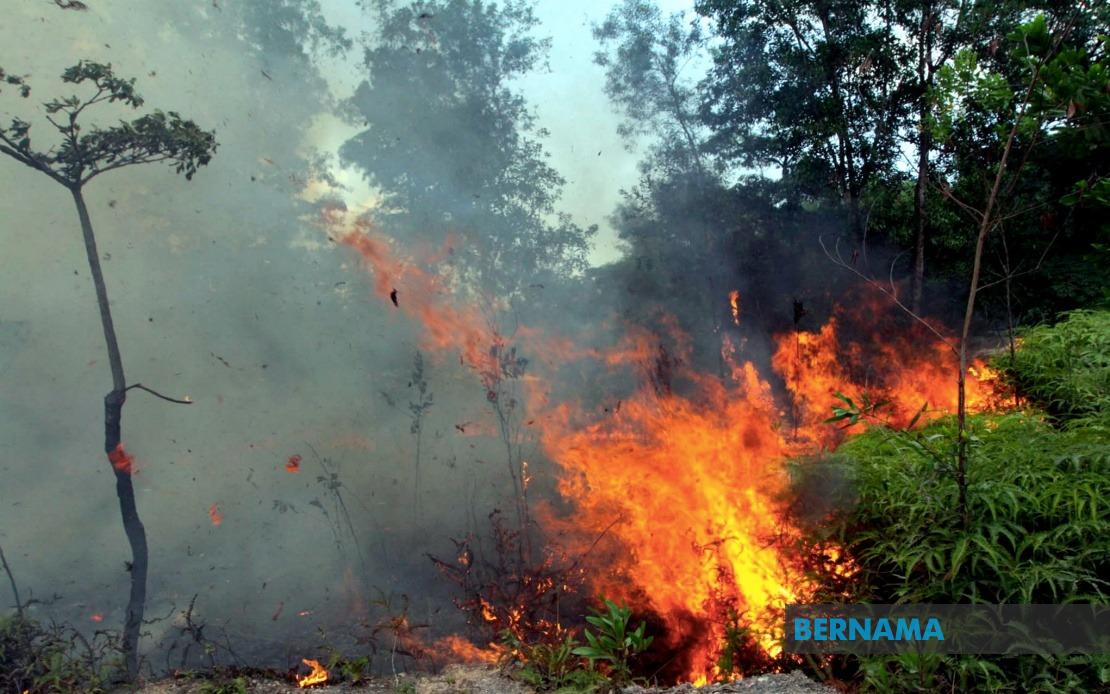
The Sabah Fire and Rescue Department (JBPM) has issued a public advisory against open burning activities as air quality in the state deteriorates due to haze originating from forest fires across the border in Kalimantan, Indonesia. According to Mohd Pisar Aziz, the department's director, transboundary smoke has begun affecting visibility and atmospheric conditions across several populated areas including Kota Kinabalu and Kimanis, with prevailing winds from southern and central Borneo carrying thick smoke plumes northward towards Sabah.
The timing of this haze arrival coincides with the region's hot and dry season, a period that historically amplifies wildfire risk across Borneo. Mohd Pisar emphasized that the combination of elevated temperatures, low humidity, and wind patterns creates conditions where any open flames—whether from agricultural clearing, waste disposal, or negligent burning—can rapidly escalate into dangerous uncontrolled fires. He stressed that residents must recognize open burning as both a public nuisance and a legal violation, urging collective responsibility in preventing fires that endanger communities, destroy property, and contaminate the environment.
Air quality measurements taken on the afternoon of the announcement indicated that Sabah's pollution levels remained within the moderate range according to the Air Pollutant Index Management System (APIMS), though readings showed concerning upward trends. Kota Kinabalu registered the highest API score at 83, with Politeknik Kota Kinabalu following at 81 and Kimanis at 76. Despite these figures falling short of the unhealthy threshold, the director cautioned that vulnerable populations—specifically individuals with asthma, young children, and elderly residents—require heightened vigilance and should adopt protective measures regardless of the current moderate classification, as air quality can deteriorate rapidly when haze episodes intensify.
The fire department has identified specific districts meeting the criteria for formal open-burning prohibitions. Both Keningau and Pitas had experienced seven consecutive days without rainfall through August 10, satisfying the meteorological threshold that triggers automatic bans on all forms of open burning. The restrictions comprehensively cover the ignition of household waste, dried vegetation, garden clippings, construction debris, and any other combustible materials with potential to contribute to haze formation. This preventative approach reflects recognition that even localized burning operations, when multiplied across populated regions during dry periods, collectively degrade air quality and public health.
To mitigate immediate health risks posed by existing haze and deteriorating air quality, Mohd Pisar advised the public to restructure daily routines around air pollution exposure. Residents should minimize outdoor activities during peak pollution hours between 11 am and 4 pm, when atmospheric conditions typically trap pollutants closer to ground level and solar heating intensifies photochemical reactions that generate secondary pollutants. Maintaining adequate hydration becomes critical as respiratory irritation and exertion in polluted air increase fluid loss, while the use of properly fitted face masks in affected areas provides direct respiratory protection by filtering incoming particulate matter.
Infrastructure maintenance represents an often-overlooked but essential component of fire prevention strategy. Sabah's fire authorities specifically advised property owners to conduct systematic inspections of electrical wiring and connections, as the combination of dust accumulation from haze and deteriorated insulation can create fire hazards. Similarly, carelessly discarded cigarette butts present genuine ignition sources, particularly when deposited on dry vegetation or near combustible materials. These seemingly minor behavioral adjustments collectively reduce accidental fire incidents that would only worsen regional haze conditions.
The department has activated monitoring systems and established protocols for rapid fire response, urging members of the public to report suspicious activities or any detected fires immediately through the emergency line 999. This community engagement approach recognizes that early detection and rapid intervention remain the most effective tools for containing fires before they spread across large forest areas and generate the massive smoke volumes that characterize regional haze episodes. Residents witnessing unaccounted fires, suspicious burning, or deliberate vegetation clearing should not hesitate to report through official channels.
The current Kalimantan haze situation reflects broader transboundary environmental challenges that frequently affect Sabah and neighboring Malaysian states. Indonesia's dry season typically generates numerous forest fires, some deliberately set for land-clearing purposes and others resulting from negligence, with weather patterns consistently directing resulting smoke toward Malaysian territory. This recurring phenomenon has prompted increasing bilateral discussions and cooperation frameworks aimed at addressing root causes of Indonesian forest burning, though immediate mitigation still falls heavily on Malaysian state authorities and residents implementing preventative measures within their direct control.
For Sabah's economy and society, recurring haze episodes carry substantial consequences. Visibility restrictions impact transportation safety and logistics operations, respiratory health impacts impose medical costs and productivity losses, and tourism sectors experience reduced visitor numbers during poor air quality periods. The government's emphasis on preventing locally-generated open burning represents pragmatic acknowledgment that while transboundary haze cannot be immediately controlled, cumulative local burning practices can be reduced through enforcement and public cooperation, thereby preventing the compounding of existing regional air quality problems through avoidable domestic sources.
The advisory issued by Sabah JBPM underscores the critical importance of environmental stewardship during seasonal haze challenges. As Malaysia continues experiencing climate impacts and regional fire pressures, public understanding of the connection between individual burning decisions and collective air quality outcomes becomes increasingly vital. The coming weeks will test whether Sabah's residents embrace the behavioral adjustments and precautionary measures recommended by authorities, potentially determining whether the current haze episode remains at moderate severity or escalates into unhealthy conditions requiring broader economic disruptions and public health interventions.

