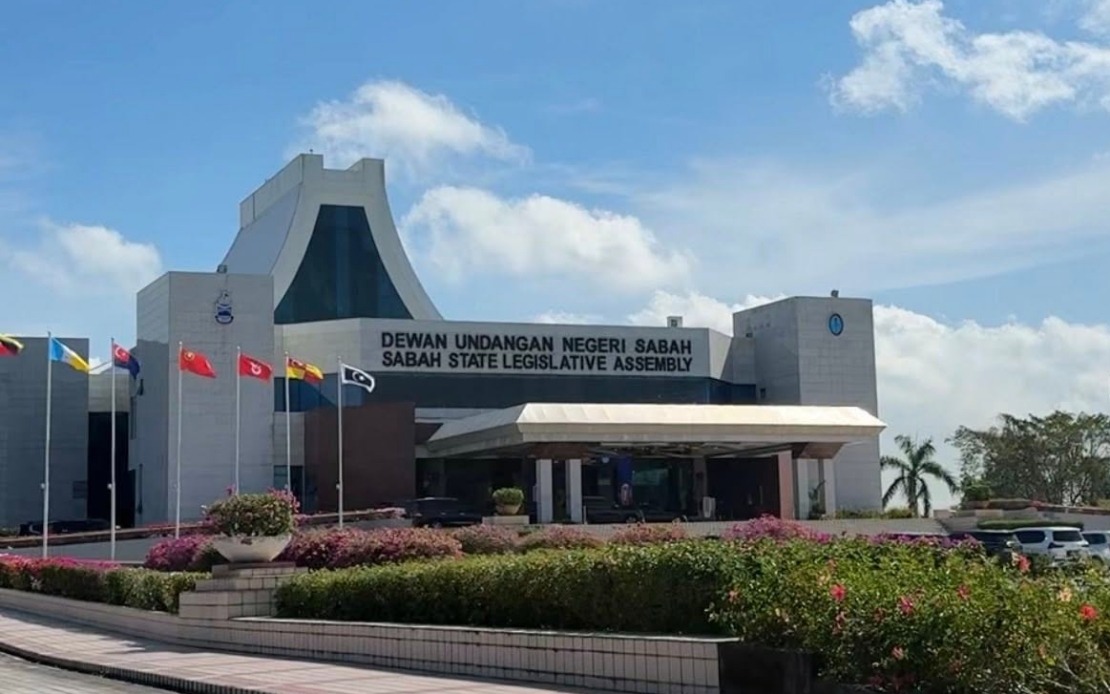
The Sabah State Legislative Assembly has given its approval to a RM1.61 billion supplementary supply allocation for 2026, marking a significant financial commitment by the state government to address unforeseen expenditures and priority spending across multiple sectors. The measure passed following deliberation amongst 42 assemblymen on July 21, with lawmakers ultimately endorsing the additional funding through a majority voice vote presided over by Deputy Speaker Datuk Al Hambra Tun Juhar.
Deputy Chief Minister II and State Finance Minister Datuk Seri Masidi Manjun brought the supplementary bill before the assembly yesterday, presenting a comprehensive breakdown of how the additional resources would be distributed across the state's operating framework. The approval process underscores the legislature's role in scrutinizing government spending proposals and ensuring that fiscal measures align with broader development priorities and public accountability standards that have become increasingly important in Malaysian governance.
The RM1.61 billion package reflects the complexities of modern state administration, where unforeseen circumstances frequently demand rapid reallocation of resources. The largest component of the allocation—RM856 million—has been earmarked for statutory fund contributions, which typically cover mandatory financial obligations that government entities are legally required to honour. These contributions often include pension liabilities, insurance provisions, and contractual commitments that form the backbone of public sector stability across Malaysian states.
Operating expenditure receives the second-largest allocation at RM278 million, funding the day-to-day operational necessities that keep government agencies functioning effectively. This category encompasses staff salaries, utility costs, maintenance of government facilities, and administrative supplies needed across the entire state apparatus. For readers across Southeast Asia familiar with budgetary processes, this represents the essential lubricant that allows public institutions to deliver services consistently without disruption.
Development expenditure claims RM210 million of the supplementary allocation, directing resources toward infrastructure projects and capacity-building initiatives that are designed to enhance Sabah's long-term economic competitiveness. This segment reflects the state government's commitment to capital investments that generate tangible improvements in transportation networks, educational facilities, healthcare infrastructure, and economic zones that position Sabah favourably within Malaysia's regional development hierarchy.
Administrative expenditure receives RM162 million, supporting the governance infrastructure that coordinates policy implementation and regulatory compliance across state departments. State grants, allocated at RM93 million, flow toward various social programmes, community development initiatives, and support for local authorities that depend on state government resources to deliver grassroots services. The remaining RM13 million designated for special allocations provides flexible funding for contingencies and targeted interventions that may arise throughout the fiscal year.
The passage of this supplementary bill carries implications extending beyond Sabah's borders, as the state government's fiscal health directly influences regional economic dynamics and investor confidence throughout Borneo. Supplementary budgets often signal shifting priorities or unexpected cost pressures, and their content reveals which sectors the government considers most pressing. In Sabah's case, the heavy weighting toward statutory obligations and operational continuity suggests the state is prioritizing stability and the maintenance of existing service delivery mechanisms.
For Malaysian readers monitoring state-level governance, the assembly's deliberation involving 42 lawmakers demonstrates the participatory dimensions of legislative processes at state level, where representatives from various constituencies and political backgrounds theoretically scrutinize government spending proposals. This legislative engagement, whether robust or ceremonial depending on political dynamics, remains a formal mechanism through which public spending gains legitimacy and is subjected to democratic oversight.
The timing of the supplementary appropriation during the second half of the fiscal year is noteworthy, as mid-year budget adjustments typically reflect revised economic forecasts, updated programme costs, or responses to unforeseen expenditure demands. Sabah's state government may be responding to inflation pressures, revenue adjustments based on collection performance, or newly identified infrastructure requirements that have emerged since the original budget framework was finalized.
Looking at the distribution of resources, the emphasis on fulfilling statutory obligations first suggests a conservative fiscal approach prioritizing essential commitments before discretionary spending. This reflects prudent financial management principles increasingly emphasized by Malaysian financial regulators and credit rating agencies that assess state government creditworthiness and fiscal sustainability.
The assembly's scheduled resumption of sittings the following day indicates an active legislative calendar, with additional measures likely awaiting consideration. This ongoing parliamentary activity maintains the momentum of government business and signals to stakeholders that state institutions are functioning and responsive to emerging needs throughout the budget cycle.
For Sabah-based businesses and investors, the supplementary allocation's composition offers insights into government spending priorities that may create opportunities or challenges depending on individual sectors' relationships with state procurement and development initiatives. The allocation pattern reflects governance choices that ripple through the state economy and influence private sector planning and investment decisions across multiple industries and communities throughout Sabah.

