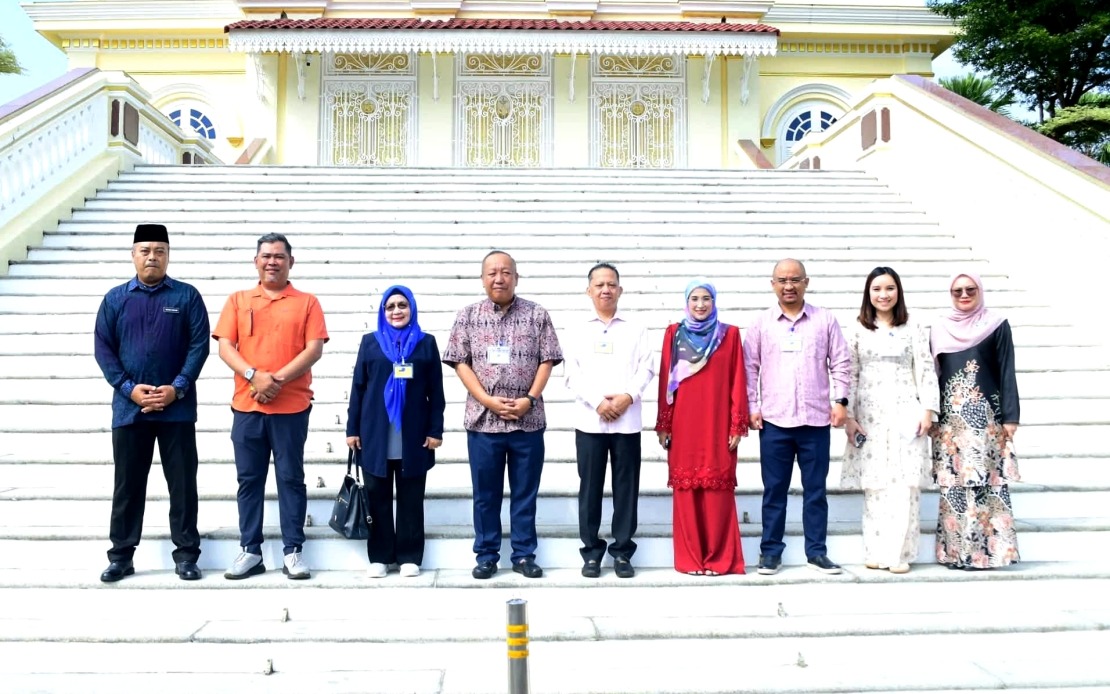
Sabah's Ministry of Tourism, Culture and Environment is intensifying its regional tourism partnerships by establishing closer strategic ties with Johor, signalling a coordinated approach to positioning Malaysia as a premier global destination. The move reflects a broader recognition among state-level tourism authorities that collaborative marketing and shared development initiatives can amplify competitive advantage in an increasingly crowded international tourism marketplace.
Datuk Jafry Ariffin, Sabah's Minister of Tourism, Culture and Environment, characterised the partnership as a multifaceted initiative designed to strengthen Malaysia's standing on the world stage while simultaneously energising the domestic travel market. The timing is deliberate, with the cooperation serving as foundational groundwork for Visit Sabah Year 2027, an ambitious promotional campaign intended to significantly elevate the state's profile among international visitors. By establishing robust institutional frameworks now, Sabah positions itself to deliver a coordinated, professional tourism experience when the promotional campaign launches.
The collaboration extends beyond conventional marketing arrangements into substantive operational areas. Cross-promotional activities between the two states create synergies that benefit both regions—visitors drawn to Johor can be guided toward Sabah experiences and vice versa, creating extended regional itineraries that increase overall tourist expenditure and length of stay across Malaysian destinations. This approach recognises that destination competitiveness increasingly depends on seamless inter-regional connectivity and complementary offerings rather than isolated competitive positioning.
A particularly significant dimension of the partnership involves knowledge transfer in heritage management and museum operations. Sabah's delegation participated in a working visit to Johor, including an official tour of Muzium Diraja Abu Bakar at Istana Besar Johor, where curators and management shared conservation methodologies and institutional best practices. This exchange carries substantial implications for Sabah's cultural tourism strategy, as heritage and historical preservation directly influence international visitor perceptions of destination authenticity and cultural richness.
The emphasis on heritage conservation reflects strategic recognition that cultural tourism represents a major economic pillar for Sabah's development agenda. International visitor markets increasingly value authentic cultural experiences and well-maintained historical assets, making investment in museum management and heritage preservation economically rational rather than merely custodial. By importing expertise from Johor's established heritage institutions, Sabah can accelerate the development of its own cultural tourism infrastructure without duplicating costly learning curves.
Destination marketing strategy refinement forms another core pillar of the cooperation. Rather than pursuing isolated promotional campaigns, the two states are developing integrated messaging frameworks that present complementary experiences to target markets. This coordination allows for sophisticated audience segmentation—affluent international visitors might be attracted through heritage and cultural narratives, while regional travellers respond to different messaging emphasising accessibility, natural attractions, and family-friendly experiences. Such targeted approaches generate higher conversion rates than generic destination promotion.
The partnership also addresses new product development, enabling Sabah to leverage Johor's experience in packaging experiences that appeal to contemporary tourism trends. This might include wellness tourism, cultural immersion programmes, sustainable travel initiatives, or adventure tourism offerings. By studying Johor's product innovation strategies and market testing approaches, Sabah can accelerate its own product development cycles and reduce the risk profile of new tourism initiatives.
For Malaysian economic development more broadly, this cooperation between state tourism authorities represents a constructive reorientation toward collaborative federalism in the economic sphere. Rather than adopting zero-sum competitive postures, both states recognise mutual benefit from collective positioning of Malaysia as a unified, diversified tourism destination. This approach proves particularly valuable in Southeast Asia, where regional destinations like Thailand and Indonesia market themselves as collections of complementary experiences rather than competing locations.
The strategic partnership carries implications for Malaysia's post-pandemic tourism recovery and growth trajectory. International visitor numbers remain below pre-2020 levels for many destinations, making efficiency in marketing spend and visitor conversion particularly important. By pooling promotional resources and sharing best practices, Sabah and Johor can achieve greater impact per ringgit invested compared to standalone campaigns. This budgetary efficiency becomes especially significant for state governments operating under fiscal constraints.
Datuk Jafry Ariffin's emphasis on international positioning signals recognition that domestic tourism growth, while important, cannot alone drive the economic expansion necessary for state development objectives. International visitors spend substantially more per trip than domestic travellers, remain longer, and distribute expenditure across broader segments of the tourism economy. By securing this interstate partnership ahead of Visit Sabah Year 2027, the state creates institutional momentum that will carry through the campaign launch period.
The cooperation framework also establishes mechanisms for ongoing dialogue and problem-solving between state tourism authorities, creating pathways for addressing common challenges—from workforce training to infrastructure development to regulatory harmonisation. This institutionalisation of inter-state cooperation generates benefits extending beyond immediate promotional objectives, building collaborative capacity that can address broader economic and tourism governance challenges.
Looking forward, the Sabah-Johor partnership model offers a template that other Malaysian states might adopt, potentially creating a networked approach to domestic tourism development. Such coordination could position Malaysia more competitively against established regional competitors while distributing tourism benefits more equitably across states rather than concentrating them in traditional hotspots. The success of this collaboration will be measured not merely in Visit Sabah Year 2027 arrival statistics, but in whether it catalyses a broader institutional shift toward cooperative rather than competitive state tourism governance.

