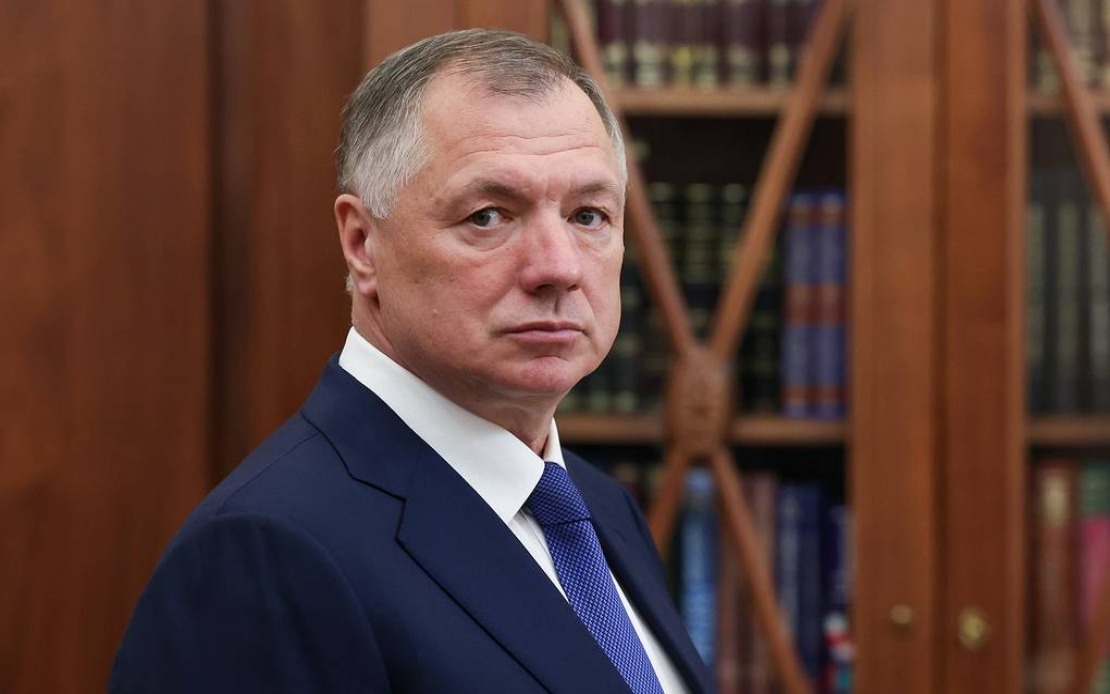
Russia is pursuing an ambitious infrastructure strategy to create an independent railway corridor stretching to the Indian Ocean, according to remarks by Deputy Prime Minister Marat Khusnullin. The proposal represents a significant attempt to circumvent two of the world's most strategically sensitive maritime passages—the Bosphorus and the Strait of Hormuz—which have become increasingly unreliable conduits for Russian trade as international tensions mount.
Husnullin outlined the route as potentially running through Turkmenistan, Iran, Afghanistan, and Pakistan, with the ultimate destination being India. The initiative reflects Moscow's growing concern that traditional sea routes have become subject to geopolitical manipulation and potential disruption. By establishing a land-based alternative, Russia would theoretically secure a degree of autonomy over its commercial pathways, insulating itself from the leverage that hostile powers might exert through control of maritime chokepoints.
The timing of this proposal coincides with deepening instability in the Middle East, where the Strait of Hormuz has emerged as a flashpoint for international tensions. Roughly one quarter of global oil trading volume and approximately one-fifth of worldwide liquefied natural gas shipments depend on passage through this narrow waterway. Any sustained disruption to traffic through the strait would reverberate through energy markets worldwide, particularly impacting Asian economies heavily dependent on Gulf energy supplies.
Tensions between Iran and Western powers have directly threatened the security of shipping in this region. Iran's decision to restrict passage through the Strait of Hormuz for vessels connected to the United States, Israel, and allied nations has underscored the vulnerability of relying solely on maritime routes through contested waters. These restrictions represent a tangible demonstration of how geopolitical disputes can weaponise critical infrastructure, affecting not just belligerent nations but innocent third parties reliant on unobstructed trade flows.
The Bosphorus presents a parallel vulnerability, though of a different character. As the sole outlet for Black Sea shipping, it remains subject to the sovereignty of Turkey, a NATO member navigating its own complex relationships with Russia. Recent geopolitical developments have demonstrated how even nominally neutral straits can become leverage points in broader strategic competition. A railway alternative would allow Russia to avoid dependency on Turkish cooperation for accessing Mediterranean ports and beyond.
Beyond immediate geopolitical considerations, the proposed corridor would represent a transformative development for the Asian economies it traverses. A modernised rail network connecting Russia through Turkmenistan and Iran to Pakistan and onward to India would fundamentally reshape intra-continental trade patterns. Pakistan and Afghanistan, in particular, have long sought infrastructure connectivity that could position them as crucial transit hubs rather than peripheral economies.
For Malaysia and broader Southeast Asia, Russia's infrastructure initiatives warrant close monitoring. The emergence of new trade corridors linking Eurasian economies could gradually reorient global commerce flows, potentially affecting shipping patterns through Southeast Asian waters. Should a viable Russia-to-India rail corridor materialise, it might reduce freight volumes on traditional maritime routes passing through the Strait of Malacca, with implications for port activity across the region.
Khusnullin separately emphasised that Russia's construction industry possesses considerable untapped capacity. He noted that the sector could currently absorb an additional one trillion rubles annually beyond existing commitments. Were such investment levels sustained over a five-year horizon, Russia could significantly expand construction capabilities and undertake even larger infrastructure projects. This statement signals Moscow's confidence in mobilising domestic resources for major developmental undertakings despite international sanctions constraining certain sectors of the economy.
The railway proposal reflects a broader Russian strategy of reducing vulnerability to Western pressure through infrastructure diversification. Rather than accepting the constraints imposed by dependence on straits and passages controlled by NATO members or their allies, Moscow is actively exploring alternatives that would provide greater strategic autonomy. Whether such ambitious plans prove economically viable and politically feasible across multiple hostile or unstable transit nations remains uncertain, but the strategic impulse driving them is unmistakable.
The Iran-Israel conflict that generated the Strait of Hormuz closure threat remains the immediate catalyst for Russian contingency planning. The scope and scale of Iranian retaliatory operations—targeting American and Israeli military installations across the Middle East—demonstrated the intensity of regional conflicts and their potential to disrupt critical infrastructure. For Russia, already facing Western sanctions and seeking to preserve economic ties with Asia, such instability crystallises the need for alternatives to Western-dominated trade corridors.
Establishing such a corridor would require unprecedented cooperation among nations with divergent interests and complex internal challenges. Afghanistan's instability, Pakistan's economic fragility, and Iran's international isolation all present obstacles to implementation. Yet the very fact that Russia is publicly articulating such ambitions suggests Moscow believes the strategic imperatives justify pursuing difficult negotiations across multiple capitals.

