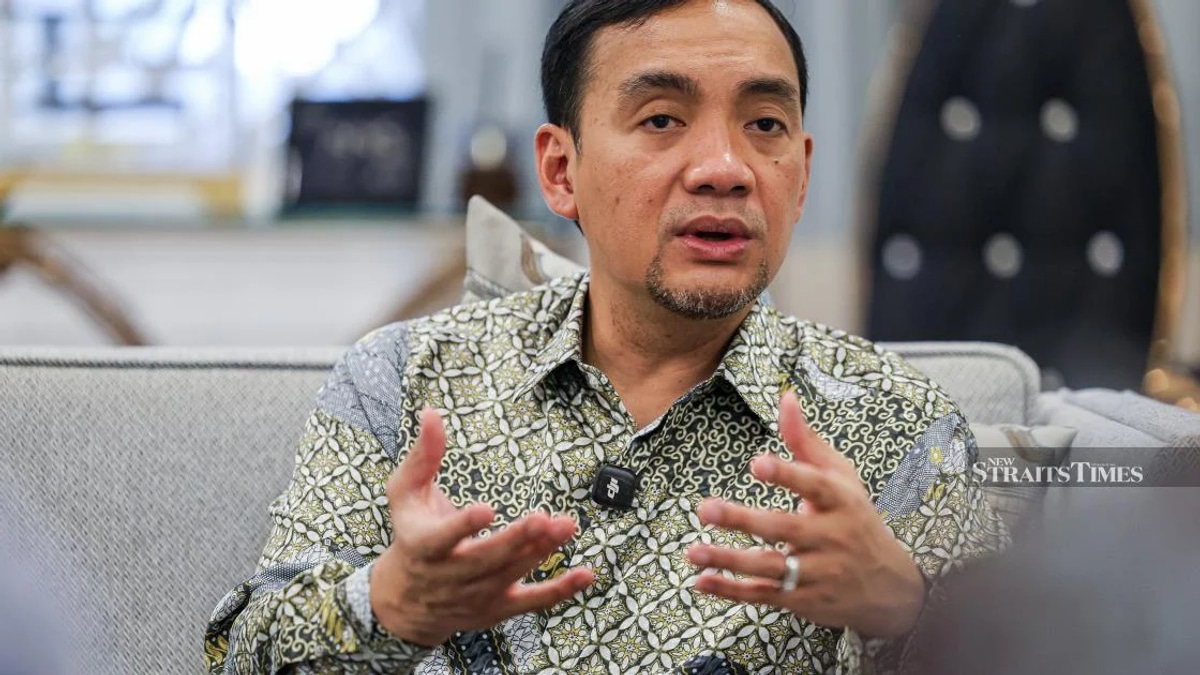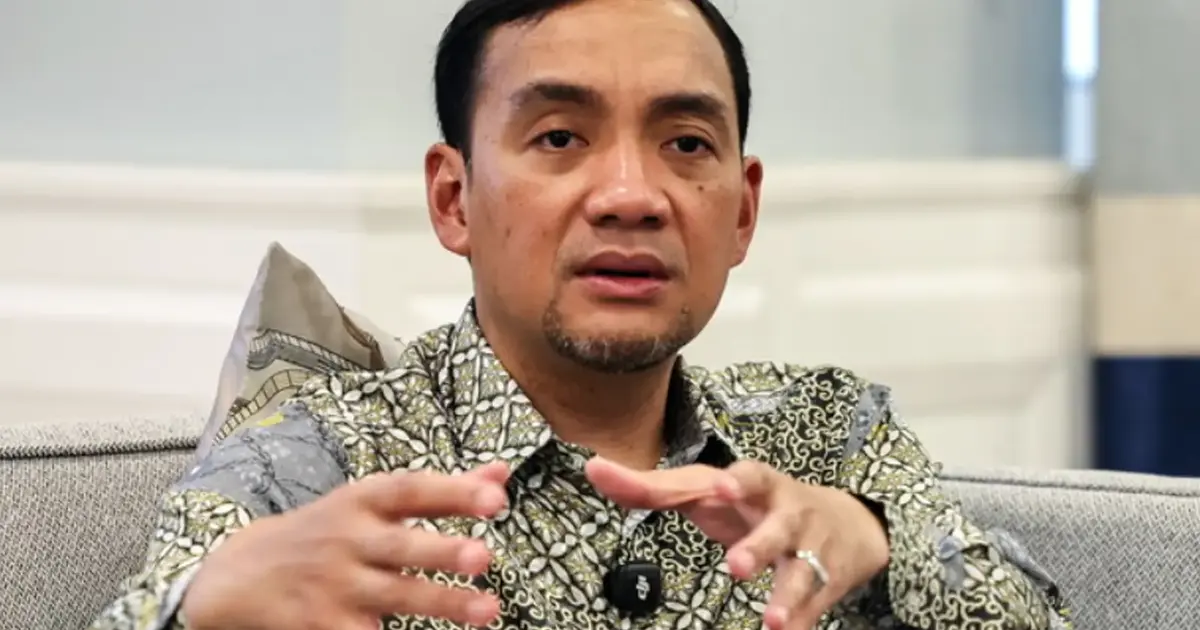
Johor Menteri Besar Onn Hafiz has made clear that achieving prominence as a political personality carries no guarantee of ascending to the highest position in state administration, a subtle but significant reminder that traditional institutional frameworks continue to shape Malaysia's political landscape. Speaking to the realities of leadership succession in the state, Onn Hafiz highlighted that royal approval remains the decisive factor in selecting who will govern, a principle deeply embedded in Malaysia's constitutional monarchy system that many observers sometimes overlook in the age of grassroots politics and media visibility.
The remark appears calibrated to address ongoing speculation and manoeuvring within Johor's political circles regarding potential leadership transitions. In contemporary Malaysian politics, where social media presence, public recognition, and media prominence have become increasingly influential in shaping political fortunes, Onn Hafiz's statement serves as a grounding reminder that traditional institutions retain substantial power. The role of the Sultan as constitutionally enshrined in Johor's governance structure ensures that no matter how visible or popular a figure becomes within party or public spheres, ultimate authority over leadership appointments rests with the throne.
This principle reflects the constitutional monarchy framework that distinguishes Malaysia from many regional democracies. Unlike Westminster systems where prime ministerial succession is determined entirely through parliamentary or party mechanisms, the Malaysian system, particularly in the state context, preserves significant royal prerogative. In Johor's case, this means that a politician's visibility, track record, or organisational backing within political parties must ultimately align with royal considerations and preferences. The Sultan's constitutional role transcends mere ceremonial function, extending to substantive influence over executive appointments at the state level.
Onn Hafiz's comments come at a time when Johor politics has witnessed considerable transformation following the 2022 general election and subsequent state political developments. The Menteri Besar, who himself benefited from a combination of electoral success and royal confidence, appears to be deflecting expectations from those who might harbour ambitions of succession based primarily on party performance or public popularity. His statement implicitly cautions ambitious political figures within Johor that cultivating royal relationships and maintaining alignment with palace preferences is as essential as building party support or achieving public prominence.
For Malaysian readers, this reflects broader governance realities that distinguish the country's political system from neighbouring democracies. While electoral politics determines parliamentary representation and influences government formation, the role of constitutional monarchs—particularly in states with strong traditional institutions—adds a layer of institutional complexity. Johor's sultanate has historically maintained an active engagement with state governance, and this remains evident in how transitions are managed at the menteri besar level. Understanding this dual dynamic of electoral politics and institutional monarchy is essential for comprehending how leadership changes actually occur in Malaysian states.
The statement also carries implications for political strategists and ambitious politicians across the country. Building a successful political career in Malaysia requires navigating both democratic and institutional frameworks. A politician can dominate parliamentary caucuses, generate substantial media coverage, or command significant grassroots support, yet still find advancement blocked or facilitated based on institutional considerations beyond their direct control. This structural reality has shaped Malaysian politics for decades and continues to influence outcomes in ways that sometimes confound observers focused solely on electoral mechanics or party dynamics.
Onn Hafiz's emphasis on royal consent further underscores that Malaysia's political transitions, even at state level, cannot be understood through purely democratic lenses. The constitutional arrangement ensures that hereditary institutions maintain meaningful influence over governance outcomes. This distinguishes Malaysia from purely electoral democracies and reflects the founding constitutional bargain that established the monarchy's institutional role as a counterbalance to elected institutions. In Johor's context, this means the Sultan's voice regarding menteri besar succession carries constitutional weight alongside party and electoral considerations.
For Johor specifically, this dynamic has influenced state governance and succession patterns throughout its modern history. The relationship between the throne and elected officials has generally been collaborative rather than confrontational, but the implicit hierarchy remains clear. Politicians who rise to prominence without cultivating strong relationships with palace networks may find their advancement restricted regardless of their other accomplishments. Conversely, those who maintain respectful relationships with the sultanate—often through proper protocols, demonstrated loyalty, and recognition of institutional precedence—tend to find pathways forward even when facing parliamentary or party challenges.
The broader Southeast Asian context adds another dimension to understanding Malaysian political institutional dynamics. While Thailand's traditional institutions have become increasingly coercive, and Singapore operates through electoral dominance without significant royal influence, Malaysia's system represents a distinctive third model. The Malaysian monarchy maintains constitutional authority while operating within democratic frameworks, creating a unique governance structure that requires politicians to master multiple institutional logics simultaneously. Onn Hafiz's statement can be read as guidance to colleagues and successors that this institutional reality will not disappear regardless of political fashions or organisational preferences.
Looking forward, Onn Hafiz's comments suggest that Johor's political succession, whenever it occurs, will involve considerations extending well beyond conventional political calculations. Potential successors must ensure they have not merely secured party support or public visibility, but have also maintained standing with the institution that exercises final authority over leadership appointments. This reflects governance realities that will likely persist as long as Malaysia maintains its constitutional monarchy and states preserve their traditional institutional structures. The Menteri Besar's clarification, therefore, functions partly as practical guidance and partly as gentle reminder about the enduring importance of institutional relationships in Malaysian political life.