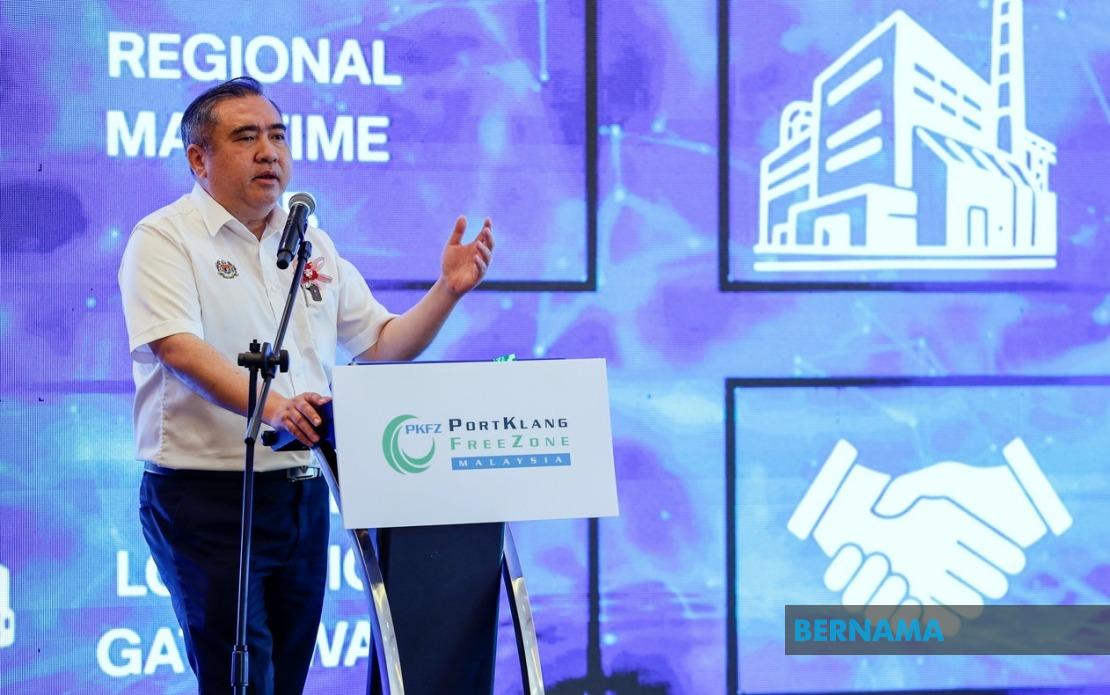
Malaysia's transport authorities are moving swiftly to address what has become an increasingly visible social and safety problem: the scourge of illegal street racing and organized road syndicates that plague the nation's highways and urban thoroughfares. Transport Minister Anthony Loke announced that the Road Transport (Amendment) Bill 2025 will be presented for first reading in the Dewan Rakyat on Monday, with the legislative process accelerated to enable second reading debate and expected passage on Tuesday. The comprehensive overhaul encompasses 11 distinct areas of amendment articulated across 42 separate clauses, signalling the breadth of changes legislators believe necessary to modernize road safety enforcement.
The timing of this legislative push reflects growing public concern about reckless driving behavior, particularly the rise of organized illegal racing activities that have emerged as a weekend menace across major metropolitan areas and highways. These street racing events, often organized through social media networks, draw participants who engage in dangerous high-speed driving that puts not only themselves but innocent road users at serious risk. The amendment bill targets these activities directly, recognizing that current legal frameworks have struggled to provide adequate deterrents or effective enforcement mechanisms. The phased parliamentary schedule suggests government confidence in the bill's passage, with both Monday's introduction and Tuesday's advanced debate and expected approval fitting within a single parliamentary sitting.
What proves particularly significant in the legislative landscape is the cross-party political consensus the amendments have achieved. Opposition Members of Parliament serving on the Parliamentary Special Select Committee have already signaled their support, removing what could have become a contentious legislative hurdle. This bipartisan backing indicates that illegal racing and road safety have transcended partisan politics, with lawmakers across the ideological spectrum recognizing the genuine public safety crisis these phenomena represent. Such unity on the committee level strengthens the prospects for smooth passage through the full chamber and suggests the amendments reflect broad legislative agreement rather than narrow party political positioning.
Beyond illegal racing specifically, the amendments address what authorities identify as 'tonto' syndicates—organized criminal networks involved in various forms of transport-related crime and illicit activities. These syndicates have operated with relative impunity in Malaysia's transport ecosystem, exploiting regulatory gaps and enforcement weaknesses. The bill proposes substantially tougher measures designed to dismantle these organized operations and increase the consequences for individuals involved in syndicate activities. The approach signals recognition that addressing road safety requires not only targeting individual reckless drivers but dismantling the organizational structures that coordinate and profit from illegal activities.
The enforcement mechanisms embedded within the amendments represent another crucial dimension of the legislative response. Rather than simply imposing harsher penalties, the bill focuses on strengthening the operational tools and legal authorities available to transport enforcement agencies. This reflects contemporary understanding that effective law enforcement requires not only strong sanctions but also modern investigative powers, surveillance capabilities, and coordination mechanisms that keep pace with how criminal activity has evolved. The amendments seek to close procedural gaps that have previously allowed offenders to evade consequences through technicalities or jurisdictional limitations.
For Malaysian motorists, particularly those who use roads during peak weekend hours when illegal racing activity concentrates, the amendments promise more comprehensive protection through deterrence and enforcement. The bill's emphasis on weekend racing activity acknowledges the specific temporal pattern this phenomenon has established, with organized events predominantly occurring during Friday nights and Saturday evenings when roads are busier but enforcement visibility may be lower. By targeting these specific times and activities, the legislative changes aim to disrupt the operational patterns that have enabled illegal racing to flourish.
The compliance focus embedded within the amendment framework extends beyond enforcement to encompass the broader culture of road conduct. By strengthening mechanisms that ensure compliance with transport regulations, the bill seeks to foster greater institutional capacity to monitor and address violations before they escalate into dangerous situations. This preventative orientation complements the reactive enforcement measures, creating a more comprehensive ecosystem of road safety management. The amendments recognize that sustainable improvements in road safety require both immediate enforcement against egregious violations and systemic changes that encourage general compliance with established rules.
Regionally, Malaysia's legislative response to illegal racing mirrors similar concerns across Southeast Asia, where organized street racing has emerged as a significant enforcement challenge. The sophistication with which these activities have become organized—utilizing digital coordination, streaming capabilities, and increasingly elaborate event planning—has outpaced traditional enforcement approaches. Malaysia's proactive legislative response positions the country as addressing the problem comprehensively rather than reactively, potentially creating a model that other regional governments might examine as they confront comparable challenges.
The economic dimensions of illegal racing and syndicate activities extend beyond the immediate safety concerns. These activities represent lost productivity, increased insurance costs, and resource consumption in emergency services that could be directed toward other public priorities. The amendments therefore carry an economic rationale beyond pure safety considerations, protecting Malaysia's transport infrastructure and the economic efficiency that depends upon secure, predictable road conditions. For businesses dependent on reliable transport networks—from logistics providers to ride-sharing services—enhanced road safety represents a direct economic benefit.
Implementation of these amendments will require coordination across multiple government agencies beyond the Transport Ministry alone. Law enforcement agencies, local authorities responsible for traffic management, and judicial bodies interpreting and applying the new provisions must all work coherently to realize the legislative intent. The success of the amendments ultimately depends upon comprehensive institutional commitment to enforcement and the adequate resourcing of agencies responsible for implementation. Transport Minister Loke's briefing to media representatives signals the government's intent to ensure public understanding of the changes and their rationale, a necessary step in building public support for increased enforcement activity.