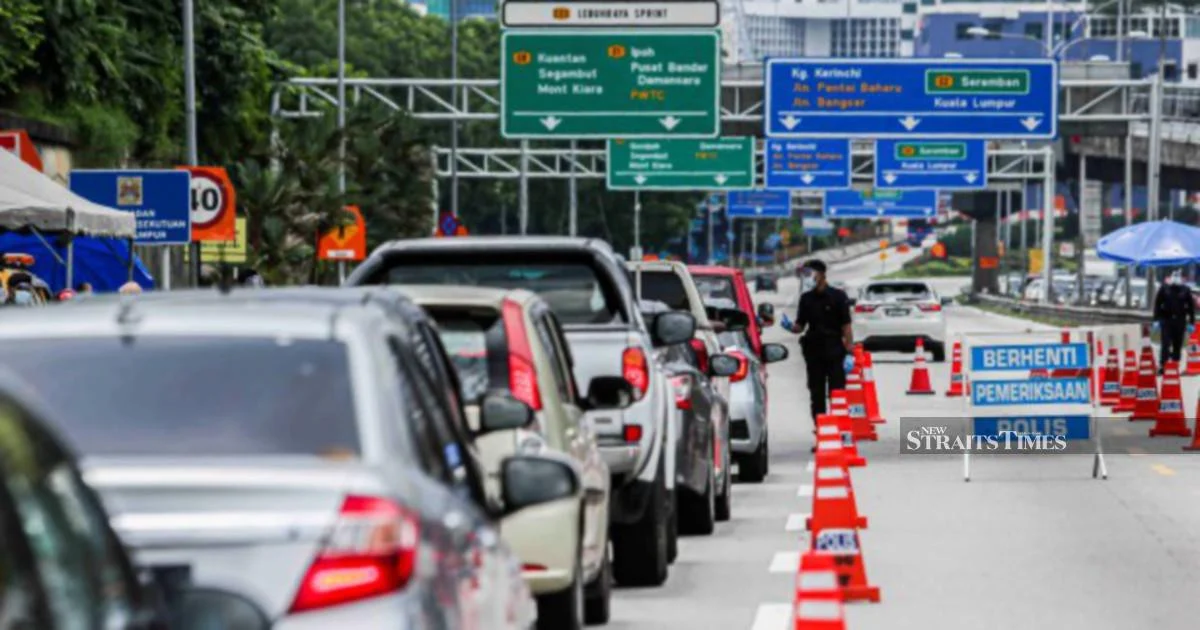
Malaysian authorities are moving forward with plans to substantially raise traffic compound penalties, with proposed amendments to the Road Transport Act 1987 set to bring the maximum fine to RM500 across more than 700 different road traffic violations. The legislative overhaul would represent one of the most comprehensive updates to the traffic enforcement system in recent years, reflecting growing concerns about road safety and the need for more effective deterrence mechanisms.
The increase in compound rates reflects a broader policy shift aimed at making financial penalties for traffic violations more consequential for offenders. Currently, many traffic compounds operate at lower thresholds that enforcement officers argue have diminished in their deterrent value over time. By bringing the maximum penalty to RM500, authorities believe they can create stronger incentives for drivers to comply with traffic laws, particularly for serious breaches that endanger other road users.
The scope of the proposed amendments is extensive, covering infractions ranging from speeding and illegal parking to more serious offences involving vehicle standards and licensing violations. This comprehensive approach suggests that the legislation is designed not merely to increase revenue but to create a more unified and proportionate penalty framework across the entire spectrum of traffic violations. Drivers who currently face relatively minor fines for various offences may find themselves facing substantially steeper consequences.
For Malaysian drivers, the implications are substantial. Commuters and professional drivers alike will need to reassess their risk calculations when considering traffic violations. Those who have previously treated minor compounds as an acceptable cost of conducting business on Malaysian roads may find their economic calculus shifting significantly. The RM500 ceiling could apply to seemingly routine infractions, meaning even a simple parking violation or failure to comply with road signage could result in a considerably larger financial hit.
The timing of these amendments comes amid heightened focus on road safety across Southeast Asia. Malaysia's road fatality statistics have long been a concern for public health authorities, and policy makers increasingly view enforcement measures as critical tools in addressing dangerous driving behaviours. By making penalties more substantial, lawmakers hope to shift cultural attitudes toward traffic laws from viewing them as mere suggestions to recognising them as serious obligations backed by genuine financial consequences.
Implementation of such amendments will require coordination across multiple agencies responsible for traffic enforcement, from the Road Transport Department to local city councils and the Royal Malaysia Police. Training and standardisation protocols will need to be established to ensure consistent application across the country. This administrative challenge is particularly relevant for Malaysia's diverse urban and rural contexts, where enforcement capacity and patterns of violation differ substantially.
The legislative process itself remains ongoing, as the amendments must clear parliamentary scrutiny before becoming law. This provides an opportunity for stakeholder feedback from driving organisations, insurance companies, and public interest groups who may wish to voice concerns or suggestions regarding implementation. The final form of the legislation may therefore differ from current proposals depending on the nature of discussions that occur during the parliamentary phase.
Insurance implications also deserve consideration. Higher traffic compounds may eventually feed into insurance premium calculations, particularly for drivers with multiple violations. Insurance companies carefully track claims data and enforcement patterns when assessing risk profiles, meaning that a regime of higher compounds could indirectly affect the cost of motor vehicle insurance across Malaysia over time.
From a regional perspective, Malaysia's moves align with similar enforcement tightening observed in other ASEAN countries. Singapore, Thailand, and Indonesia have all implemented various measures to increase the financial and legal consequences of traffic violations in recent years. This suggests a broader consensus in the region that escalating penalties represent a necessary response to persistent road safety challenges.
For commercial transport operators and logistics companies, the increased compounds represent a genuine operational consideration. Fleets operating under tight schedules and cost margins may face new pressure to ensure driver compliance, potentially encouraging investment in better driver training and vehicle monitoring technologies. Some industry observers suggest this could actually benefit transport companies by reducing accident rates and improving their insurance profiles.
The proposed amendments also raise questions about enforcement equity and accessibility. Critics of aggressive penalty regimes often point out that fixed financial penalties can disproportionately affect lower-income drivers who lack capacity to absorb large fines, raising concerns about fairness in the application of traffic law. These considerations will likely feature in parliamentary discussions.
Practically speaking, drivers should anticipate that once the amendments pass, any traffic violation could carry substantially more severe financial consequences. This has clear implications for defensive driving practices and might encourage greater adoption of dashcam technology and dash records to support dispute resolution if motorists believe compounds have been issued unfairly. The threshold between minor infraction and meaningful penalty would shift considerably.

