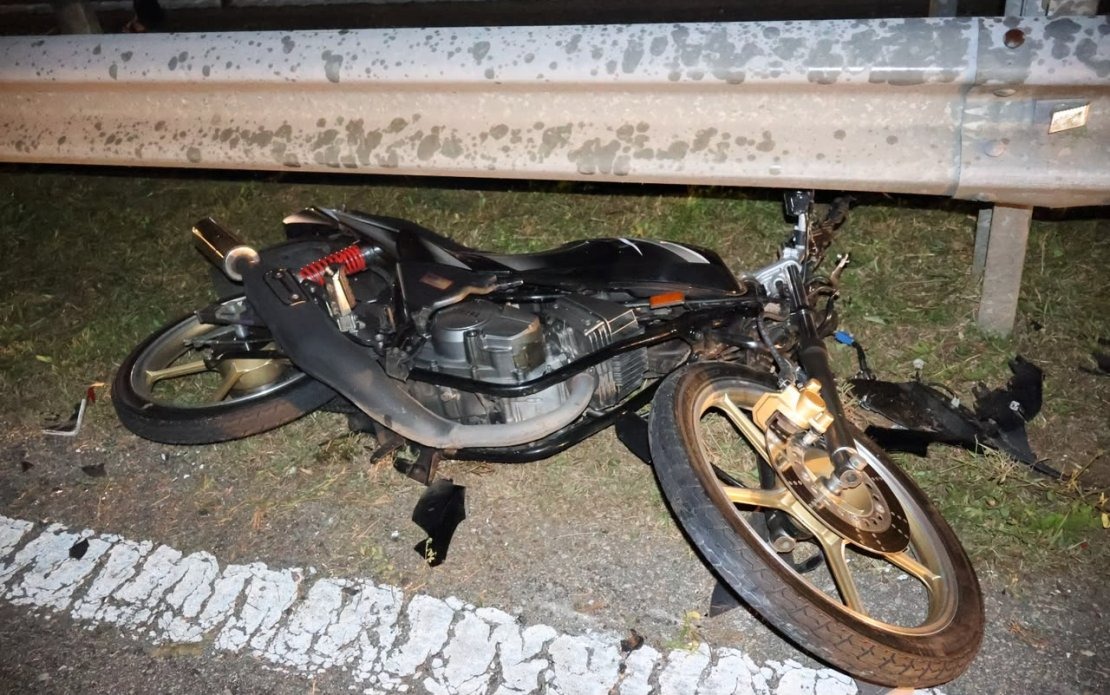
The director of Bukit Aman's Traffic Investigation and Enforcement Department has stressed that policing measures alone cannot effectively combat dangerous driving habits, urging a broader societal shift in road safety culture. Speaking after a fatal collision on the East Coast Expressway that killed four motorcyclists and injured 20 others on July 11, Datuk Seri Muhammed Hasbullah Ali emphasised that sustained educational campaigns and community advocacy must complement enforcement operations if Malaysia is to meaningfully reduce road fatalities.
Muhammed Hasbullah's remarks underscore a frustration within law enforcement circles with the persistent gap between regulatory efforts and public compliance. Despite consistent crackdowns by JSPT and other agencies, some road users continue to engage in hazardous behaviour including reckless riding, illegal street racing and performing dangerous stunts on major highways. The traffic chief's comments suggest that arresting and fining offenders, while necessary, addresses only the symptom rather than the underlying cultural problem driving such conduct.
Central to the director's analysis is the recognition that motorcycle accidents represent a particularly intractable challenge within Malaysia's road safety landscape. Many riders involved in serious incidents are motivated by factors beyond simple rule-breaking—peer pressure, the desire for social recognition, and a personal thrill-seeking mindset often override safety concerns. This psychological dimension explains why enforcement operations, however well-resourced and coordinated, struggle to deter riders who view traffic laws as obstacles to their identity rather than protections for their wellbeing.
Muhammed Hasbullah called for a comprehensive approach engaging families, schools, religious organisations and neighbourhood communities in fostering responsible attitudes among road users from an early age. Parents play a pivotal role in shaping children's understanding of road safety, yet many households treat traffic rules as inconvenient rather than life-saving measures. Educational institutions similarly have a responsibility to integrate road safety ethics into their curricula, moving beyond passive instruction to build genuine appreciation for safe driving practices.
The East Coast Expressway incident that prompted these comments illustrates the devastating human cost of road negligence. Four lives were lost in what appears to have been a motorcycle-related accident, while 20 additional people suffered injuries ranging from minor to potentially life-altering. Beyond the immediate tragedy, the crash imposed trauma on witnesses, emergency responders and the families of those affected. The broader economic burden—healthcare costs, lost productivity, property damage and psychological support—ripples through communities.
Muhammed Hasbullah's assertion that roads are shared public spaces deserving of collective respect reflects an important philosophical shift in how Malaysia might approach road safety. Rather than framing compliance as submission to authority, this perspective positions responsible driving as a civic duty and expression of care for fellow citizens. When road users internalise this value system, enforcement becomes less about punishment and more about protecting those who already embrace safety principles from those who do not.
The traffic chief's statement signals that JSPT will continue pursuing strict measures against violators, including aggressive prosecution of reckless riders, illegal racers and stunt performers. However, his emphasis on education suggests a recognition that these enforcement tools require parallel investment in preventive measures. Many jurisdictions internationally have found that combining swift, certain punishment with sustained public awareness campaigns produces superior outcomes compared to enforcement initiatives alone.
Malaysia's motorcycle culture presents distinct challenges and opportunities for intervention. The widespread use of two-wheeled vehicles across the country, combined with varying levels of rider training and licensure, creates a diverse population of users with different safety awareness levels. Tailoring education campaigns to reach school-age riders, professional delivery drivers, young urban commuters and older recreational riders requires nuanced messaging that acknowledges the distinct pressures and motivations within each group.
The role of family units in cultivating responsible road behaviour cannot be overstated, particularly in Malaysian contexts where extended families and intergenerational dynamics significantly influence individual conduct. Parents who model safe driving habits, discuss the consequences of traffic violations candidly and discourage risk-taking behaviour among teenage riders create protective factors that enforcement alone cannot replicate. Conversely, households that normalise speeding, permit dangerous riding practices or dismiss safety equipment as inconvenient undermine official messaging.
Community organisations, religious bodies and neighbourhood associations represent largely untapped resources in Malaysia's road safety ecosystem. Grassroots groups can organise peer-to-peer education, sponsor safety campaigns in local languages and dialects, and provide social reinforcement for responsible behaviour that formal institutions cannot match. Involving these stakeholders transforms road safety from a top-down government priority into a shared community value.
The financial implications of Malaysia's road safety challenges extend beyond immediate medical expenses. Insurance premiums, administrative costs of managing accidents, lost working hours and long-term disability support represent substantial drains on household and national budgets. Economic arguments for investment in road safety education thus complement moral imperatives, potentially persuading sceptics and policymakers of the necessity for comprehensive intervention.
Muhammed Hasbullah's comments suggest that the coming period may see JSPT and related agencies pursuing balanced strategies combining enforcement vigour with educational initiatives. This approach acknowledges that behaviour change requires time, consistency and multiple reinforcing mechanisms. Quick fixes through punishment alone have demonstrably failed; sustainable progress demands cultivation of a genuinely safety-conscious road culture.

