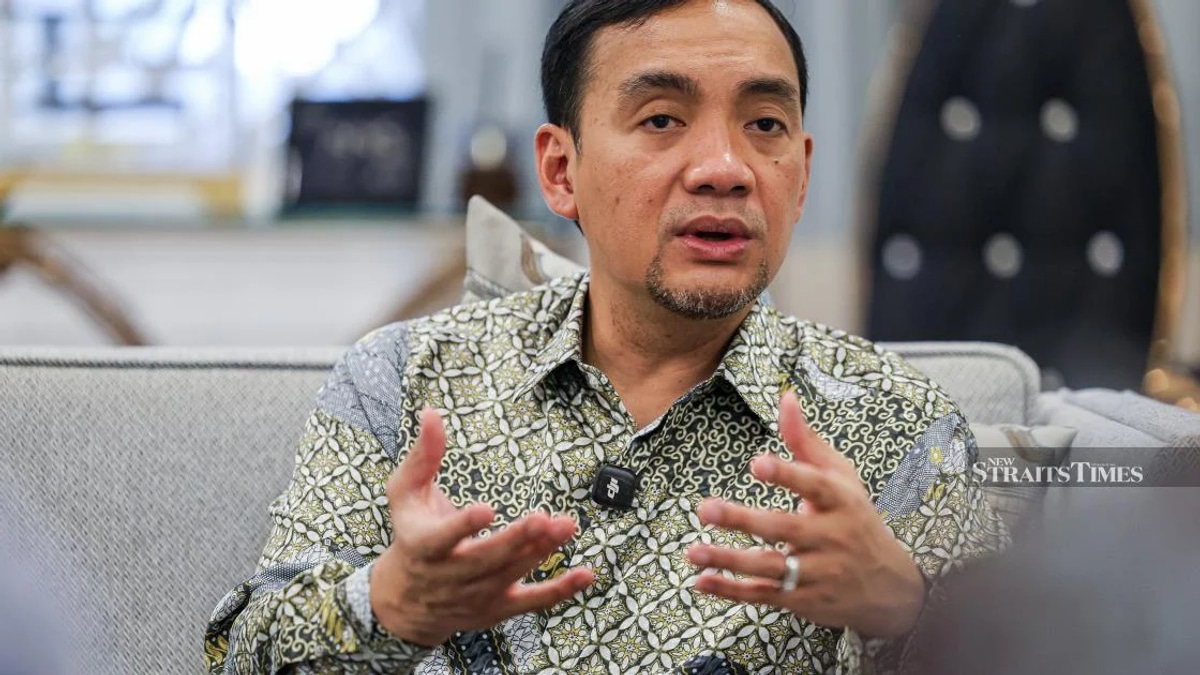
The Royal Malaysian Air Force has embarked on a significant infrastructure upgrade, establishing air defence and surveillance radar systems across several strategic installations nationwide. The project represents a deliberate effort to strengthen the country's capacity to monitor its airspace and respond swiftly to emerging threats. General Tan Sri Muhamad Norazlan Aris, the air force chief, unveiled details of the deployment during the service's 68th anniversary celebrations at Subang, highlighting the importance of these additions to the nation's security posture.
The radar installations are being positioned at carefully selected locations to maximise coverage across Malaysia's vast territory. Bintulu in Sarawak, Bukit Puteri in Terengganu, and Bukit Lunchu in Johor will each receive air defence radar systems, creating overlapping detection zones across the peninsula and east Malaysia. Additionally, an air surveillance radar is being commissioned on Pulau Layang-Layang, a strategically important feature in the South China Sea that offers vantage point coverage of maritime approaches to Malaysian waters. This distributed network approach reflects military thinking about resilience, as multiple interconnected sensors can compensate for potential disruptions at any single site.
General Muhamad Norazlan emphasised that these capabilities directly address critical gaps in the nation's current surveillance architecture. Early warning systems remain fundamental to air defence doctrine, allowing decision-makers precious minutes to assess threats and respond appropriately. The chief framed the radar projects as essential tools for plugging existing coverage deficiencies, particularly in sectors deemed strategically significant due to air traffic patterns, maritime boundaries, or proximity to international chokepoints. The emphasis on early detection suggests the force recognises that in modern air operations, the advantage often belongs to whoever detects an aircraft first.
These radar deployments form the inaugural phase of the RMAF Capability Development Plan 2055, an ambitious long-term roadmap designed to position the air force for the challenges likely to emerge over the next three decades. The naming itself signals intent: by embedding capability development into a strategic planning framework extending to 2055, the defence establishment commits to sustained, modernised operations rather than ad-hoc procurement. This approach acknowledges that security threats evolve constantly, and today's most advanced systems require periodic upgrade cycles to remain relevant against emerging technologies and tactics.
The general's remarks on the West Asian conflict underscore why Malaysia views these investments as timely. Ongoing tensions in the region have demonstrated the fragility of global security assumptions and highlighted how regional disturbances propagate through interconnected supply chains and energy markets. The disruption of shipping through the Strait of Hormuz—even partial or threatened disruptions—ripple across global energy pricing and availability. For Malaysia, a trading nation whose economy depends heavily on stable energy supplies and uninterrupted maritime commerce, such disruptions pose direct economic consequences beyond the immediate region.
Malaysia's own critical chokepoints demand particular attention. The Strait of Malacca, through which a substantial portion of global maritime trade passes, remains vital for the nation's economic health and regional stability. The South China Sea, subject to competing territorial claims and increasing military presence, requires constant monitoring to protect Malaysian interests and ensure freedom of navigation. These waterways carry essential imports of energy resources and raw materials while providing export routes for Malaysian manufactures. Any disruption threatens the delicate balance that supports the nation's middle-income status and economic growth trajectory.
The radar network fundamentally enhances Malaysia's capacity to monitor activities within its air and maritime domains. Surveillance gaps can be exploited by actors with hostile intent, whether through smuggling operations, unauthorised military exercises, or intelligence gathering. By improving detection capabilities, the RMAF signals determination to maintain sovereign control over Malaysian airspace and to contribute to regional stability through enhanced situational awareness. The investment also demonstrates to international partners that Malaysia takes its responsibilities seriously within ASEAN and the broader Indo-Pacific framework.
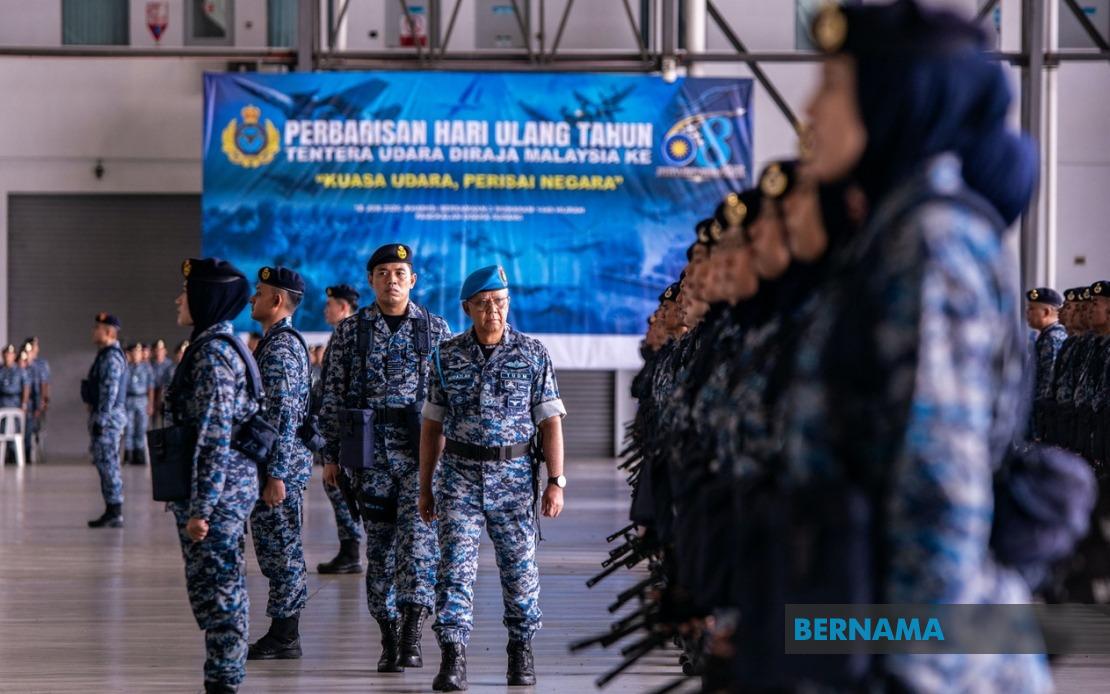
The ceremony itself reflected the formal character of defence modernisation initiatives. General Muhamad Norazlan received the traditional general salute and conducted a formal inspection of the parade, emphasising the hierarchical nature of military organisations and the continued importance of ceremonial protocols in defence establishments. The presentation of service medals and commendation certificates to 17 recipients acknowledged the contributions of personnel across the force. Among the four flights represented—the Special Forces unit PASKAU, the Ground Defence Force HANDAU, a women's composite flight, and a multi-trade composite flight—the diversity suggests the air force increasingly draws capability from varied specialisations and personnel backgrounds.
The inclusion of a women's composite flight in the parade procession indicates evolving patterns within the Malaysian military, reflecting broader societal trends toward gender inclusivity in defence institutions. The participation of diverse personnel categories in a high-profile ceremonial occasion demonstrates that capability enhancement extends beyond hardware to include the human dimension of military effectiveness. Modern air operations require technicians, engineers, medical personnel, logistics specialists, and administrative staff alongside pilots and ground defence personnel—a reality reflected in the RMAF's presentation of its composition.
Former air force chiefs attending the ceremony provided continuity and implicit endorsement of the current strategic direction. Defence modernisation initiatives typically enjoy broader institutional support when senior retired figures appear alongside serving leadership, suggesting consensus within the defence establishment regarding priorities and approaches. The long tenure of defence chiefs and the formal handover of responsibilities through ceremonial occasions help maintain institutional knowledge and prevent disruptive policy swings that can undermine long-term development programmes.
The timing of these announcements carries significance beyond immediate military considerations. Malaysia's defence posture reflects its evolving security environment, including great power competition in the Indo-Pacific, persistent maritime security challenges, and the proliferation of advanced military technologies among regional actors. By publicly announcing capability enhancements, the government signals commitment to maintaining credible defence capabilities while potentially influencing regional perceptions of Malaysian resolve and capacity. Such signals can have diplomatic and strategic dimensions extending beyond purely military functions.
Looking forward, the RMAF Capability Development Plan 2055 likely encompasses additional phases involving aircraft acquisition, air defence system modernisation, communications infrastructure upgrade, and training evolution. The current radar deployment represents foundational work—the sensory apparatus that enables effective decision-making across the full spectrum of air force operations. Future phases may involve integrating these radars into networked command and control systems, acquiring advanced fighter aircraft, and developing cyber defence capabilities to protect against emerging threats to military information systems. The long timeframe provides flexibility to adjust priorities as technologies mature and security challenges evolve.