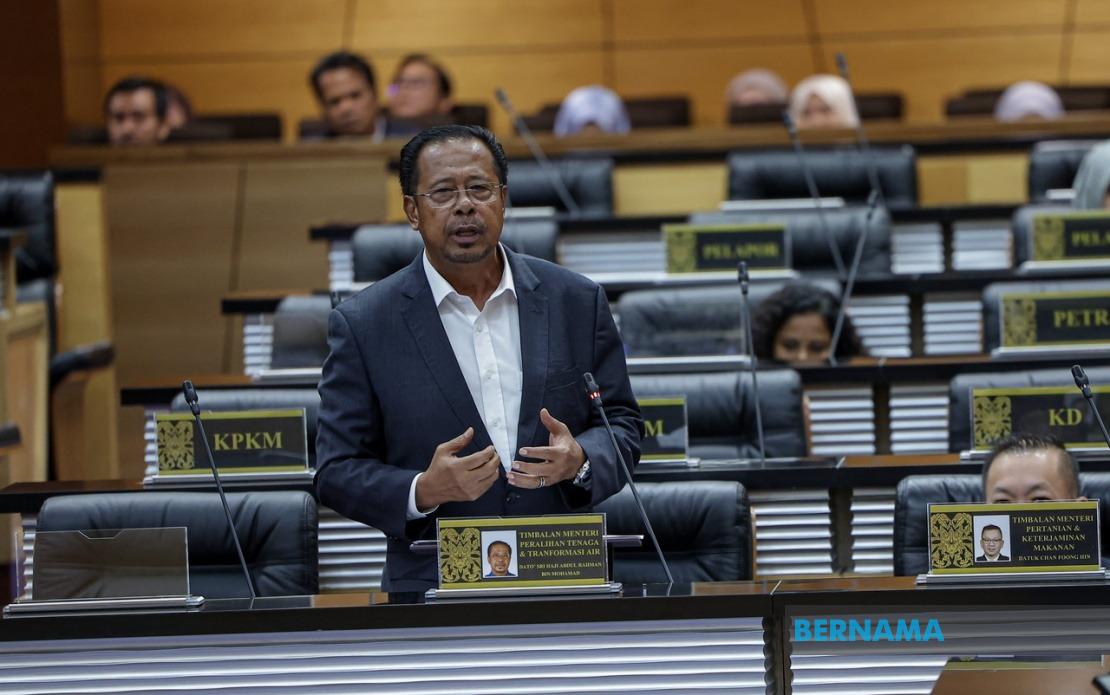
The Malaysian government is advancing a transformative flood management initiative in Johor through an RM99.8 million Integrated River Basin Development project for Sungai Skudai that promises substantial relief for approximately 15,000 residents facing chronic inundation risks. Deputy Minister of Energy Transition and Water Transformation Datuk Seri Abdul Rahman Mohamad outlined the project's scope during a Dewan Rakyat session, emphasising its dual mandate to safeguard communities and restore ecological integrity along the 46-kilometre waterway that has long plagued the region with seasonal and flash flooding.
The project, conceived under the 12th Malaysia Plan framework, represents a comprehensive reimagining of how water resources are managed in the state's vulnerable river systems. Rather than pursuing quick-fix interventions, authorities have adopted a methodical approach prioritising detailed technical assessments before commencing physical works. A consultant was formally appointed in May 2025 to orchestrate the complex planning and site investigation phase, responsibilities that extend to generating a comprehensive concept report that will guide all subsequent implementation efforts.
Survey operations commenced in November 2025 with an anticipated conclusion date of May 2027, providing engineers with precise topographical and hydrological data essential for designing effective mitigation structures. Running parallel to these investigative activities is a land acquisition process initiated in June 2026, expected to conclude by August 2027, a timeline that underscores the logistical complexity of assembling the necessary real estate for construction works. Once these foundational prerequisites are satisfied, procurement procedures and contractor selection will proceed, positioning physical construction to commence around mid-2027.
The engineering approach centres on substantially reconfiguring the river's physical characteristics to enhance water conveyance capacity. The 46-kilometre section will undergo systematic bank reinforcement works, while strategic portions of the channel will be widened to approximately 15 metres, dramatically increasing the waterway's ability to accommodate flood flows without overtopping adjacent communities. These structural modifications directly address the fifty identified flood hotspots distributed along the river system, with particular concentration in the Kulai district where five critical vulnerability points demand immediate attention.
Beyond flood risk reduction, the project embodies a holistic development philosophy acknowledging environmental and socioeconomic dimensions of river management. Deputy Minister Abdul Rahman articulated expectations that rehabilitation efforts will restore aquatic ecosystems that have degraded through decades of unchecked urbanisation and agricultural pressures. Simultaneously, the initiative aims to enhance navigability for artisanal fishing communities whose livelihoods depend on river access and health, addressing long-standing grievances from fishermen facing dwindling catches and restricted movement.
The project further strengthens operational frameworks for maritime security agencies and emergency management entities responsible for responding to water-related disasters. By improving the river's accessibility and predictability through engineered modifications, authorities gain enhanced capacity to conduct search and rescue operations, monitor smuggling activities, and coordinate flood response mechanisms. This security dimension reflects Malaysia's evolving appreciation that river management intersects with border security and organised crime prevention, particularly in states like Johor with strategic maritime exposure.
Acknowledging that the eighteen-month to two-year lag before physical construction begins presents continued vulnerability, the Ministry of Energy Transition and Water Transformation is implementing six interim small-scale projects valued at approximately RM700,000. These stop-gap measures, though modest in financial scale, address the most acute flood hotspots through targeted interventions designed to provide immediate relief whilst the major engineering initiative proceeds through its preparatory phases. This tiered strategy demonstrates governmental awareness that vulnerable communities cannot endure indefinite waiting periods whilst comprehensive solutions undergo extended planning cycles.
In a complementary infrastructure development, the Ministry of Works advanced the separate RM174.53 million Phase Three upgrading initiative for the Pasir Gudang Highway, with Minister Datuk Seri Alexander Nanta Linggi emphasising that implementation will circumvent potential delays by avoiding land acquisition from Keretapi Tanah Melayu Berhad (KTMB). Instead, construction activities proximate to railway infrastructure will proceed through work permits and formal right-of-way approvals obtained directly from the railway operator, a pragmatic arrangement acknowledging KTMB's strategic interests whilst enabling road infrastructure advancement.
The highway expansion programme, scheduled for execution spanning February 2027 through December 2028, reflects integrated transport planning recognising that Pasir Gudang's strategic location as an industrial and port hub demands modernised road connectivity. By coordinating with KTMB through permits rather than confrontational land acquisition, authorities demonstrate evolved stakeholder management practices that prioritise collaborative implementation over bureaucratic friction. This approach holds instructive value for other Malaysian states navigating complex infrastructure projects requiring multi-agency coordination.
For Malaysian observers, these announcements signify substantive governmental commitment to addressing chronic infrastructure deficiencies that have perpetually disadvantaged communities in secondary growth corridors. Johor's vulnerability to flooding has constrained economic development and imposed incalculable social costs through property damage, displacement, and productivity losses. The Sungai Skudai project, if executed according to prescribed timelines, represents a transformative investment in regional resilience and developmental equity.
The initiatives also demonstrate evolving sophistication in Malaysian infrastructure planning methodologies. Rather than pursuing ad-hoc interventions responding to individual disasters, authorities increasingly recognise that effective water management demands integrated approaches addressing hydrological, ecological, and socioeconomic dimensions simultaneously. This philosophical shift, evident across both the Sungai Skudai PLSB project and the Pasir Gudang Highway coordination arrangements, suggests Malaysia's infrastructure governance frameworks are gradually maturing toward international best practices emphasising comprehensive planning, stakeholder consultation, and adaptive implementation strategies.

