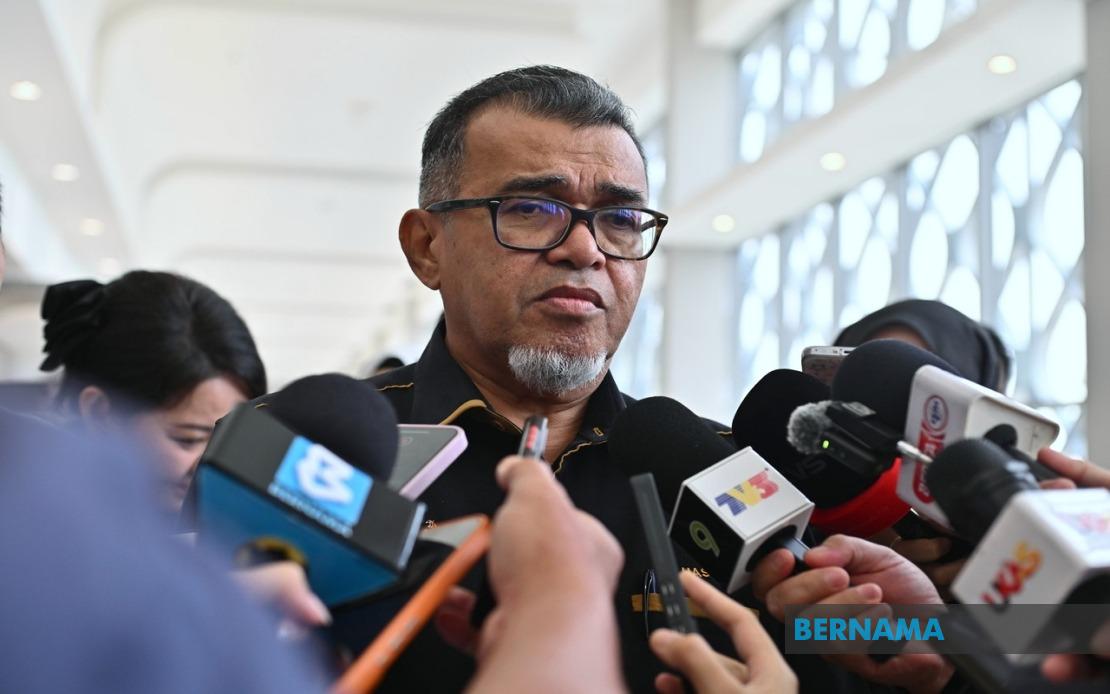
Malaysia's Federal Government is investing RM30 million to revitalise critical aviation infrastructure serving two of Sarawak's most isolated communities. Deputy Transport Minister Datuk Hasbi Habibollah announced the dual allocation—RM15 million each for Long Banga and Ba'kelalan—during his visit to Kuching for the National MADANI Taxi Renewal Programme. The commitment underscores the administration's focus on extending modern infrastructure to underserved rural populations across the peninsula and Borneo.
These Short Take-Off and Landing (STOL) airports represent vital lifelines for residents in remote interior regions where traditional commercial aviation infrastructure remains impractical. The settlements, accessible primarily by air or lengthy river journeys, depend entirely on these modest facilities for medical evacuations, goods transportation, and connectivity to urban centres. Any disruption or inadequacy in STOL operations directly impacts quality of life and economic opportunity for thousands of Sarawakians whose geographical isolation would otherwise render them beyond the reach of emergency services and regular commerce.
The current operational constraints at both facilities significantly hamper their utility. Twin Otter aircraft, the workhorses of regional aviation throughout Southeast Asia, dominate these routes precisely because they require minimal infrastructure. Yet even these versatile machines operate under severe passenger capacity limitations, with each flight accommodating only a fraction of potential travellers. During peak seasons—harvest periods, school holidays, or medical campaigns—waiting lists grow, forcing residents to endure costly delays or dangerous travel alternatives.
Datak Hasbi's announcement emphasises runway extension as a cornerstone of the upgrade strategy. Lengthening existing airstrips would unlock possibilities for larger regional aircraft to serve these communities, fundamentally altering connectivity and economic prospects. Expanded runway capacity translates into higher passenger throughput, reduced flight frequency requirements, and potentially lower per-seat operating costs that could eventually benefit users through more affordable fares. This infrastructure investment also positions these airports for future commercial development should economic opportunities emerge in their hinterlands.
The allocation reflects broader Malaysian policy recognising that rural development cannot proceed without addressing fundamental connectivity gaps. Transport infrastructure serves as the foundation upon which education, healthcare, and economic opportunity rest. Communities unable to reach markets, schools, or hospitals efficiently face compounding disadvantages that perpetuate regional inequality. The RM30 million commitment acknowledges this reality and demonstrates federal recognition of Sarawak's particular challenges as a large, geographically dispersed state with significant populations in areas unsuitable for road development.
Contextualising this investment within Sarawak's broader infrastructure landscape reveals both progress and persistent gaps. The state has witnessed substantial improvements to major urban transport networks, particularly around Kuching and Sibu. Yet vast interior regions remain relatively neglected in absolute spending terms, despite representing crucial components of national development. These STOL airports, modest in individual cost yet transformative in impact, represent precisely the type of targeted investment that can yield outsized benefits for dispersed populations.
The upgrade programme carries implications extending beyond immediate beneficiaries in Long Banga and Ba'kelalan. Successful completion could serve as a model for similar interventions at other STOL facilities across Sarawak and Sabah. Malaysia's network of approximately 40 STOL airports primarily concentrates in these two states, where geography dictates aviation infrastructure. Should this RM30 million investment demonstrate tangible improvements in service reliability and capacity, it may catalyse comparable initiatives elsewhere, progressively enhancing rural air connectivity across East Malaysia.
Funding allocation mechanisms for such projects warrant scrutiny from a development perspective. Whether these resources flow through established federal budgets, special rural development allocations, or dedicated transport infrastructure programmes affects their sustainability and potential for expansion. The Deputy Minister's attribution to federal commitment suggests these monies represent mainstream budget commitments rather than ad-hoc allocations, indicating systematic recognition of STOL infrastructure as strategic priority.
Implementation timelines and specification standards will determine ultimate project success. Airport upgrades involve complex coordination between federal and state authorities, environmental considerations, and technical expertise. Runway extension particularly demands rigorous engineering assessment of soil conditions, drainage, and safety margins. Delays in project execution would defer benefits, while cost overruns could reduce scope and effectiveness. Close monitoring of procurement, contractor selection, and construction progress will prove essential to ensuring value for money.
The announcement also reflects political considerations surrounding rural representation and federal government visibility in East Malaysia. Transport investments generate tangible, visible benefits that resonate with constituents. Communities witnessing improved airport facilities gain confidence in government responsiveness to their needs. Conversely, delays or inadequate implementation risk eroding political support in regions where federal presence carries particular significance for national unity and cohesion.
Beyond infrastructure mechanics, this investment addresses a fundamental question about national development equity. Malaysia aspires toward high-income nation status requiring sophisticated internal and regional connectivity. Yet aspirations remain hollow for populations unable to participate fully in economic activity due to geographic isolation. The RM30 million commitment to Long Banga and Ba'kelalan represents incremental but meaningful progress toward ensuring that development benefits, and the opportunities they create, extend genuinely across all regions and communities rather than concentrating within easily accessible urban centres.

