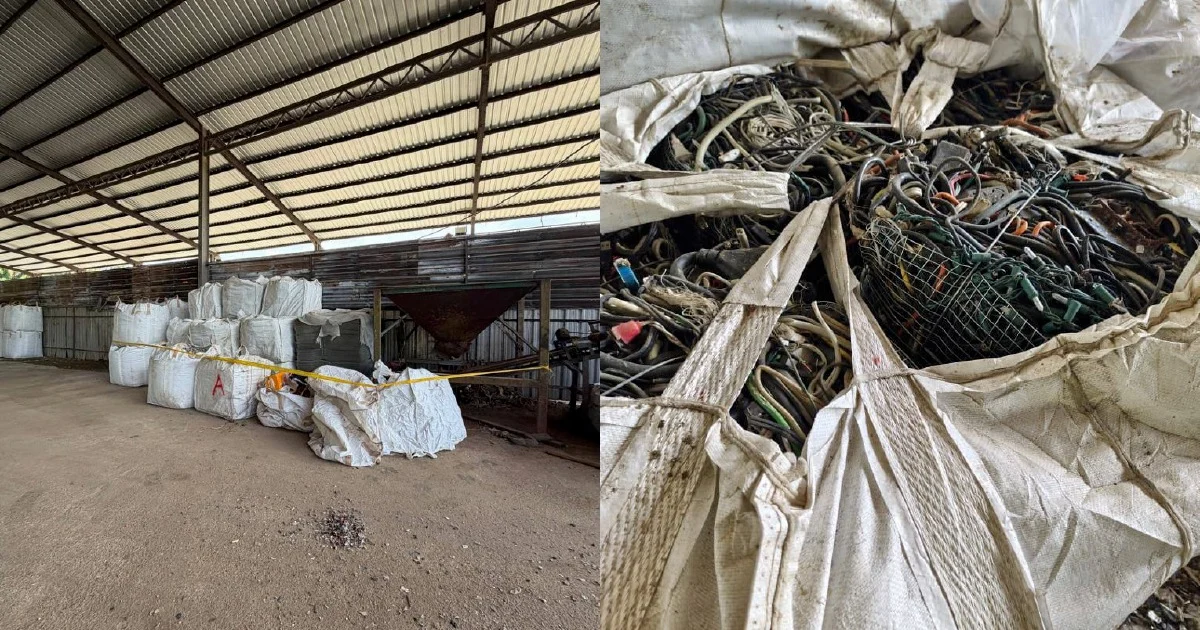
Authorities in Penang have struck a significant blow against illegal electronic waste trafficking, dismantling an unlicensed processing and storage operation in Bukit Mertajam and recovering materials valued at approximately RM3 million. The enforcement action, which took place yesterday, resulted in five arrests as investigators continue to build their case against individuals linked to the unauthorised facility. The operation underscores the persistent challenge that Malaysia faces in combating the proliferation of illegal e-waste operations, which extract valuable materials while circumventing environmental regulations designed to protect public health and natural ecosystems.
The illegal facility discovered in Bukit Mertajam represents the type of operation that has increasingly drawn the scrutiny of Malaysian environmental enforcement agencies. These unauthorised sites typically operate without proper licensing, environmental impact assessments, or safety protocols, creating serious hazards for workers and surrounding communities. The materials recovered during the raid—which include components from discarded computers, mobile devices, and other consumer electronics—contain both valuable metals and hazardous substances that require specialised handling. When processed improperly, such materials can release toxic compounds into soil and water supplies, posing long-term environmental and public health risks.
The seizure of RM3 million worth of e-waste signals the substantial financial incentives driving criminal involvement in this sector. Organised operators targeting the e-waste trade profit by extracting precious metals such as gold, silver, and copper from discarded electronics, often without investing in the infrastructure or training necessary for safe recovery methods. Malaya's position as a regional electronics manufacturing hub, combined with its proximity to major markets and established logistics networks, has inadvertently created conditions that attract such illicit operators. The region's waste streams from both domestic consumption and cross-border sources provide a steady supply of material for black-market processors.
The detention of five individuals in connection with the Bukit Mertajam facility marks another escalation in enforcement efforts. These arrests suggest that investigation teams have identified specific personnel involved in the operation's day-to-day functioning, from facility management to material sorting and processing. Each arrest strengthens the evidentiary foundation for prosecutors seeking to pursue charges under relevant environmental legislation. The identities and backgrounds of those detained will likely reveal further details about how such operations source their materials, distribute processed products, and maintain relationships with downstream buyers.
Legal responsibility for e-waste processing in Malaysia is distributed across multiple regulatory frameworks and agencies, creating both opportunities and vulnerabilities in enforcement. Licensed recyclers must adhere to stringent environmental and occupational safety standards, obtain proper permits, and maintain detailed documentation of material flows. Illegal operators bypass these requirements entirely, undercutting legitimate businesses and exposing workers to uncontrolled exposure to hazardous substances. The cost differential between regulated processing and illegal dumping or processing creates strong financial pressure for certain operators to operate outside the system.
From a regional perspective, this raid reflects growing momentum across Southeast Asia to address e-waste challenges. Several neighbouring countries have strengthened their enforcement capabilities and bilateral cooperation frameworks to prevent the transnational trafficking of hazardous waste materials. However, enforcement success ultimately depends on sustained investment in detection capabilities, personnel training, and inter-agency coordination. A single major seizure, while noteworthy, does not solve the underlying structural problems that incentivise illegal operators to continue their activities across the region.
The environmental cost of unregulated e-waste processing extends beyond immediate contamination concerns. Heavy metals such as lead, mercury, and cadmium accumulate in soil and sediments, entering food chains and concentrating in the tissues of organisms at higher trophic levels. Once these substances reach human populations through agricultural products or contaminated water, the health consequences may persist for decades. Children are particularly vulnerable to heavy metal toxicity, which can impair cognitive development and physical growth. The Bukit Mertajam facility's proximity to residential areas and potential agricultural lands heightens concern about community exposure.
Sustainable solutions to the e-waste problem require action at multiple levels simultaneously. Consumer awareness campaigns can encourage proper disposal of electronic devices rather than selling them to informal operators. Extended producer responsibility schemes, where manufacturers maintain accountability for end-of-life management of their products, create financial incentives for designing more recyclable electronics and supporting legitimate recovery infrastructure. At the same time, enforcement agencies need adequate resourcing to conduct regular inspections, investigations, and prosecutions. International cooperation frameworks facilitate the sharing of intelligence about trafficking networks and enforcement techniques.
The establishment and licensing of authorised e-waste processing facilities represents a critical counterweight to illegal operations. Such facilities employ trained personnel equipped with appropriate protective equipment, operate water treatment and air filtration systems to prevent environmental release of contaminants, and maintain secure storage protocols for hazardous components. The economic viability of these licensed operators depends partly on their ability to compete fairly with illegal facilities that externalise environmental and health costs onto surrounding communities. Government procurement policies that preferentially source from licensed recyclers can strengthen this competitive advantage.
Moving forward, the success of the Bukit Mertajam enforcement action will be measured not only by the immediate seizure and arrests but by whether it disrupts the broader ecosystem that sustains such operations. Intelligence gathered from the investigation should illuminate the supply chains feeding material into the facility, the processing and distribution networks removing material from the site, and the financial mechanisms enabling operation at scale. This information can guide subsequent enforcement actions and regulatory refinements. Coordination between Malaysian authorities and their counterparts in other ASEAN nations will be essential, given the transnational dimensions of e-waste trafficking.
The five detained individuals will likely face charges under statutes governing environmental protection, hazardous waste management, and potentially occupational safety violations. Prosecution outcomes will send important signals about the severity with which Malaysian authorities treat illegal e-waste operations. Consistent enforcement coupled with meaningful penalties strengthens deterrence and encourages both industrial operators and consumers to work within legitimate channels. However, enforcement alone cannot resolve the fundamental challenge posed by the rapid growth of electronic consumption and the accumulation of obsolete devices in developing economies with limited recycling infrastructure.