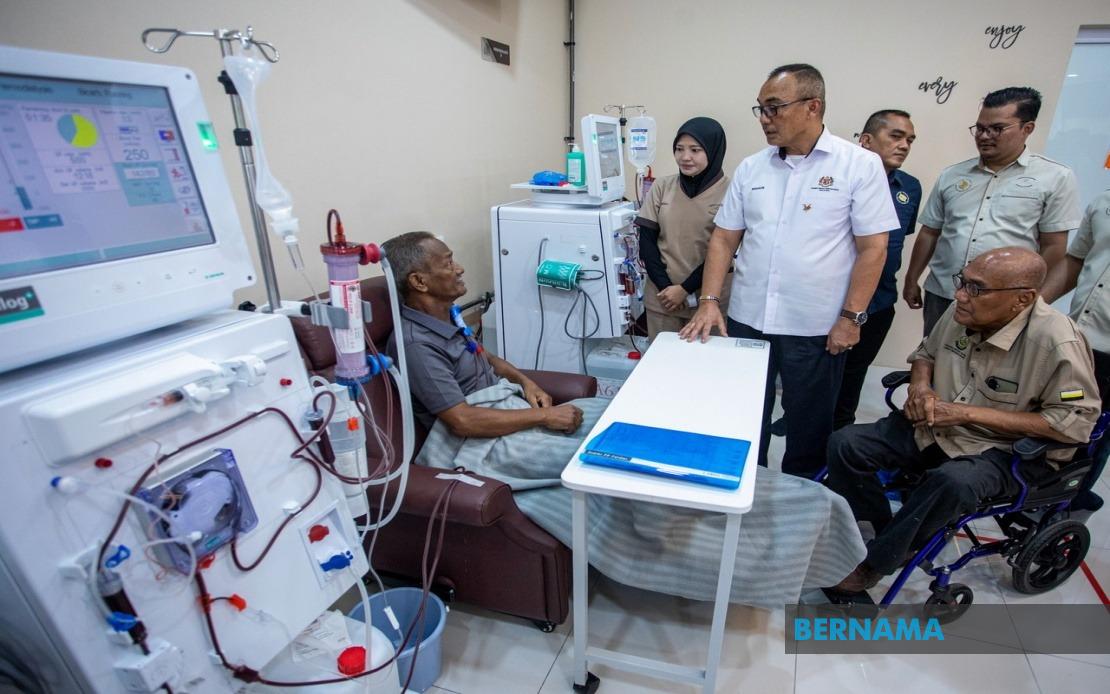
The Yayasan Veteran Angkatan Tentera Malaysia (YVATM) is undertaking a major healthcare expansion aimed at ensuring veterans have access to specialised dialysis treatment within their own regions. The RM18 million investment represents a strategic commitment to decentralising kidney care services, which have historically been concentrated in urban centres, forcing many patients to travel long distances for regular treatment sessions. This initiative addresses a significant gap in healthcare accessibility across Malaysia's diverse geography.
The infrastructure project encompasses nine treatment facilities strategically positioned across multiple states to maximise reach and convenience. Selangor will host the largest concentration with four centres, reflecting the state's significant veteran population and healthcare demand. Perak will accommodate two facilities, with single centres established in Negeri Sembilan, Johor, and Pahang respectively. This distribution strategy ensures that veterans in rural and semi-urban areas gain proximity to quality renal care, eliminating the burden of frequent inter-state travel that many previously endured.
Major General Datuk Semaon Marjuki, director-general of the Malaysian Armed Forces Veterans Affairs Department (MAF JHEV), characterised the expansion as a watershed moment for veteran healthcare provision. Speaking during the inauguration of the Batu Kurau facility in Larut, Perak, he emphasised that these centres represent more than mere infrastructure additions—they embody a philosophical shift toward comprehensive, accessible healthcare for those who served the nation. The centres will serve not only military personnel but also their immediate family members and the surrounding civilian population, creating community health hubs with specialised capabilities.
The facilities have been constructed to contemporary standards mandated by Malaysia's Ministry of Health, incorporating modern diagnostic and therapeutic equipment alongside infrastructure designed for patient comfort. Each centre operates with qualified nursing staff trained in renal care protocols, ensuring treatment quality aligns with international best practices. The emphasis on comfort and patient-friendly environments addresses longstanding complaints from dialysis patients about institutional sterility and impersonal treatment atmospheres that can compound psychological stress during lengthy sessions.
Operational responsibility rests with DVET Holding Sdn Bhd, a subsidiary entity wholly owned by the MAF Veterans Foundation, establishing a consolidated management structure that streamlines administrative oversight and service consistency across all nine locations. This centralised approach enables standardised training protocols, equipment maintenance schedules, and quality assurance mechanisms. The subsidiary structure also provides operational autonomy while remaining accountable to veteran welfare objectives, creating an institutional buffer against bureaucratic inefficiencies that sometimes plague government-run facilities.
Currently, approximately 2,055 serving and retired military personnel nationwide require ongoing dialysis treatment, distributed across JHEV-operated centres, facilities run by the Social Security Organisation (SOCSO), and various privately accredited establishments. The expansion aims to consolidate fragmented service provision into a coherent network, reducing waiting times and administrative complexities. Many veterans currently navigate multiple institutional systems—government hospitals, social security facilities, and private providers—a situation that complicates continuity of care and creates inconsistent billing arrangements.
For the broader Malaysian healthcare context, this initiative demonstrates recognition that chronic kidney disease (CKD) represents a significant and growing public health challenge. Malaysia's prevalence of CKD correlates closely with rising diabetes and hypertension rates, conditions disproportionately affecting older populations including retired military personnel exposed to occupational and environmental stressors throughout their careers. By investing specifically in veteran dialysis provision, the government acknowledges both a demographic reality and a moral obligation to those whose health may have deteriorated through service-related factors.
The project carries implications extending beyond immediate patient care to encompass broader regional development and healthcare infrastructure planning. Rural areas receiving these facilities benefit from enhanced medical services infrastructure that can support other specialised treatments and create employment opportunities in healthcare professions. Larut, Perak's inaugural centre opening signals the government's commitment to distributing healthcare resources more equitably across peninsula and East Malaysia, countering historical concentration of tertiary services in Klang Valley and Penang.
Semaon underscored that the expansion aligns with government aspirations to enhance overall population well-being through targeted healthcare interventions. The veteran focus represents strategic targeting of vulnerable populations whose service commitments warrant reciprocal state investment in health security. Beyond the immediate beneficiaries, the centres' emphasis on public access creates secondary benefits for communities surrounding military installations and retirement communities where veterans often settle.
The comprehensive approach—combining modern facilities, qualified staffing, community accessibility, and centralised management—establishes a template potentially replicable for other chronic disease management programmes requiring similar infrastructure investments. Success in renal care provision could inform future government strategies for diabetes management, cardiovascular disease treatment, and other chronic conditions demanding regular specialised interventions. The veteran-focused delivery mechanism, moreover, provides proof-of-concept for targeted healthcare initiatives addressing specific population subgroups with distinct needs and vulnerabilities.
Looking forward, the nine-centre network represents Phase One of what may evolve into more comprehensive renal care coverage across Malaysia's diverse geography. Preliminary data on utilisation rates, patient outcomes, and operational efficiency will inform decisions regarding additional facilities or expanded services at existing locations. The initiative's success will be measured not merely by infrastructure completion but by demonstrable improvements in treatment adherence, quality of life outcomes, and mortality reduction among participating veterans.

