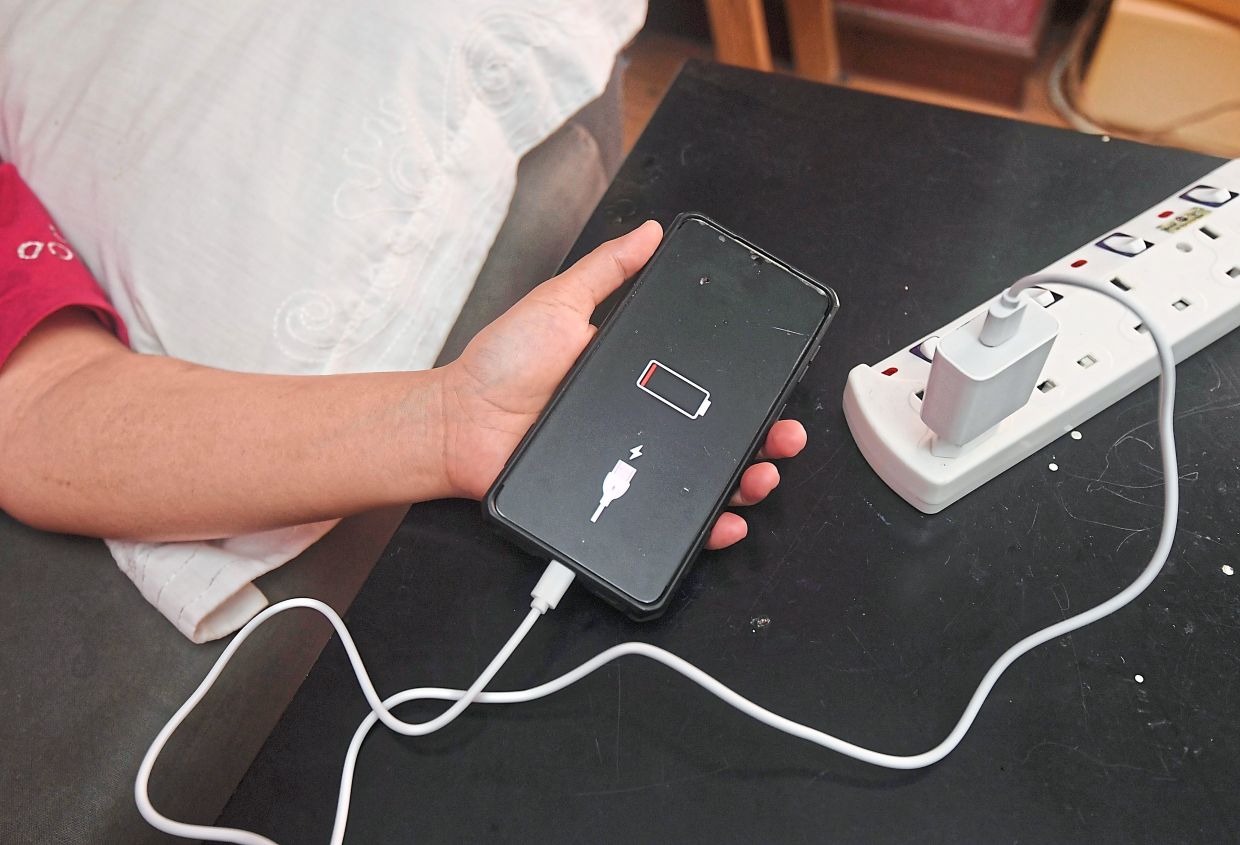
Unsafe device charging practices have triggered 59 residential fires across Malaysia over the past three years, resulting in damages totalling RM14.2mil, according to the Fire and Rescue Department (JBPM). The incidents span ten states, with no fatalities recorded during the period.
Sarawak emerged as the worst-affected state, sustaining approximately RM9,707,956 in losses from 11 cases. Kelantan followed with RM1,147,400 across 17 incidents, while Sabah reported RM806,800 from three fires. Other affected states included Selangor (RM661,040 from five cases), Penang (RM537,125 from nine cases), Johor (RM470,000 from two cases), Putrajaya (RM387,000 from one case), Melaka (RM214,810 from four cases), Terengganu (RM175,000 from two cases), and Perak (RM95,750 from five cases). Kedah, Negri Sembilan, Pahang, Perlis, Kuala Lumpur and Labuan recorded no such incidents.
Investigations revealed recurring patterns in unsafe charging behaviour. The department identified leaving devices unattended while charging overnight, relying on uncertified chargers and cables, and placing devices near flammable materials like mattresses, pillows and sofas as major risk factors. Overloading power strips and using damaged devices—identifiable by swollen batteries, excessive heat, burnt odours or frayed cables—further heightened fire hazards.
JBPM emphasised that fire investigations demand individualised attention rather than assessment based purely on financial losses or fire scale. Each case involves distinct complexities including incident location, device type, evidence preservation challenges, scene safety concerns and technical analysis requirements. The most demanding investigations often involve extensive forensic work drawing conclusions from limited or destroyed physical evidence, not necessarily the largest fires.
The department attributes persistent risks to consumer behaviour prioritising cost over safety standards. Many users continue purchasing substandard charging equipment that fails to meet regulatory specifications, increasing susceptibility to overheating and electrical faults. JBPM recommends using only SIRIM-certified chargers and accessories, avoiding soft surfaces for charging, and replacing damaged components immediately.
Public awareness campaigns remain integral to prevention efforts. JBPM pledged continued investment in fire safety education, community outreach programmes and coordination with relevant stakeholders to strengthen understanding of secure charging practices and reduce future incidents.

