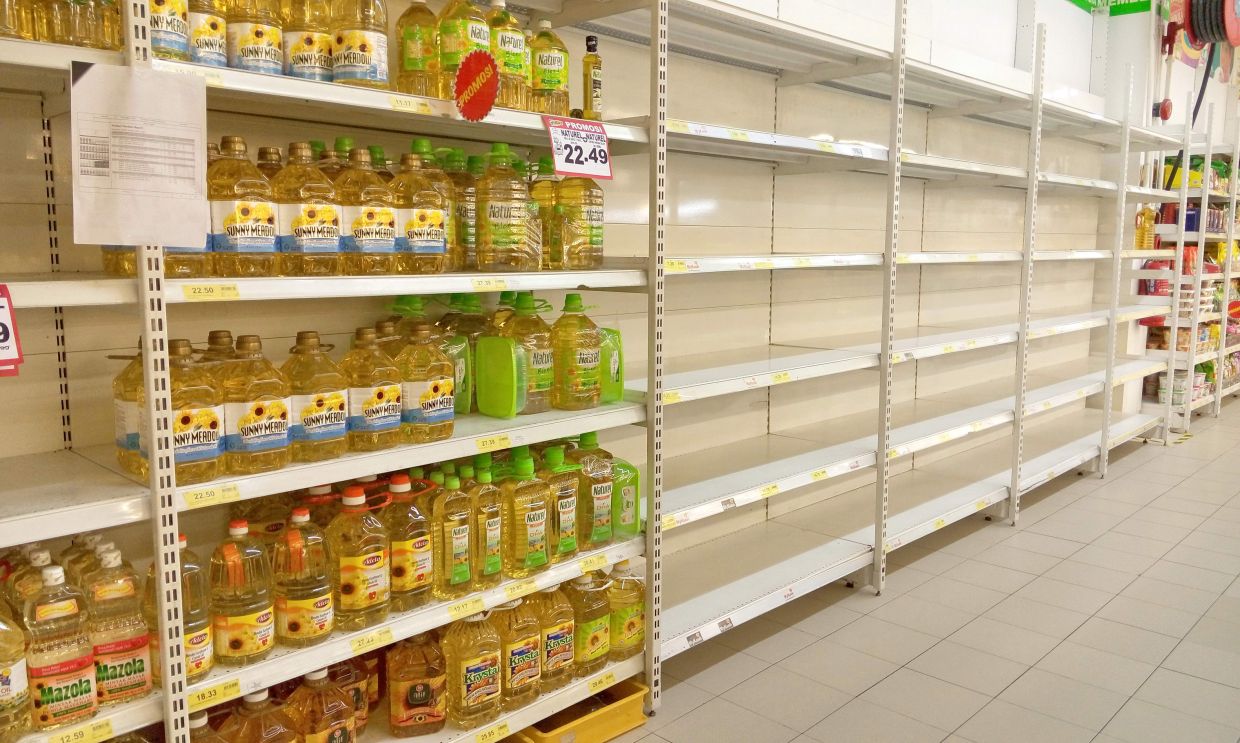
Malaysia's cooking oil subsidy programme has haemorrhaged nearly RM11 billion over the past six years, according to a damning assessment by the Public Accounts Committee released this week. Between 2019 and February 2025, RM10.879 billion in government assistance intended to stabilise domestic cooking oil prices and protect lower-income households simply failed to reach its target. The scale of this leakage represents not merely a budgetary embarrassment but a fundamental breakdown in the mechanisms designed to deliver welfare to those most vulnerable to commodity price shocks.
The findings strike at the heart of a central government policy narrative that has dominated discussions around subsidy reform for the past decade. Officials have repeatedly championed the shift towards targeted subsidies as a more efficient and fiscally responsible approach than universal price controls. The argument has been straightforward: by concentrating support on those genuinely unable to afford essential goods, the government could reduce wastage, improve fiscal discipline, and eliminate distortions that encourage hoarding or smuggling. Yet the PAC's investigation suggests this supposedly refined system has instead created new avenues for subsidies to vanish from the supply chain without reaching intended consumers or, in many cases, appearing on shop shelves at all.
The mechanism of this loss demands closer examination, as it points to systemic vulnerabilities that extend far beyond simple administrative oversight. Cooking oil subsidies operate through a combination of price controls and direct payments to millers and distributors, creating multiple junction points where accountability can blur. When subsidised cooking oil fails to materialise on retail shelves despite government payments entering the system, it suggests either that products are being diverted to parallel markets, exported illegally, or diverted entirely through smuggling networks. The persistent complaints from consumers about empty shelves in supermarkets across the country, juxtaposed against the RM10.879 billion figure, paint a picture of a programme simultaneously draining the treasury while failing to serve its constituency.
Market monitoring represents perhaps the most glaring gap identified in this subsidy chain. The government maintains pricing agreements with cooking oil manufacturers and distributors, yet appears to lack adequate real-time surveillance mechanisms to track where products actually go once they leave warehouses. This absence of transparency creates fertile ground for diversion and arbitrage, particularly given the significant price differential between subsidised domestic rates and regional market prices. Neighbouring economies, where cooking oil commands premium prices, represent lucrative export destinations for suppliers willing to circumvent controls. Without robust tracking systems and surprise audits, enforcement becomes largely reactive rather than preventive.
The enforcement apparatus itself appears to have been inadequate to the task. While various government agencies share responsibility for monitoring the cooking oil supply chain—including the Ministry of Domestic Trade and Cost of Living, the Malaysian Anti-Corruption Commission, and enforcement divisions within state-level bodies—coordination gaps and resource constraints have limited their effectiveness. Smuggling operations targeting subsidised cooking oil have grown increasingly sophisticated, with criminal networks exploiting the price arbitrage opportunity and weak border monitoring. The financial incentive is substantial enough to justify investment in smuggling infrastructure, particularly in border regions where enforcement presence remains thin.
From a regional perspective, Malaysia's subsidy crisis reflects a broader challenge facing governments across Southeast Asia. Indonesia, Thailand, and the Philippines have all grappled with similar issues of subsidy leakage and market distortion. The pattern suggests that commodity subsidies, however well-intentioned, create structural incentives for diversion when price differentials with neighbouring countries exceed the cost of circumvention. As long as Malaysia maintains significantly lower cooking oil prices than regional benchmarks, smuggling will remain economically rational for organised traders regardless of enforcement efforts.
The accountability question looms large. The PAC report identifies the leakage but stops short of attributing responsibility to specific officials or agencies, instead framing the issue as a systemic weakness. This approach, while diplomatically prudent, sidesteps the harder question of who bears culpability for allowing such enormous sums to disappear. Whether through negligence, deliberate circumvention, or simple administrative incapacity, someone within the subsidy delivery apparatus failed to safeguard public resources. Without clear accountability mechanisms and consequences, the report risks becoming another in a long series of investigations that expose problems without generating meaningful reform.
The implications for ordinary Malaysians remain sobering. Consumers continue to experience cooking oil shortages despite government spending at levels that should ensure abundance. This disconnect between expenditure and outcome suggests that current policy instruments are fundamentally misaligned with stated objectives. Either the subsidy level is insufficient to meet genuine demand given the loss factor, or the delivery mechanisms are so compromised that even substantial spending cannot translate into shelf availability. Both scenarios point towards the need for comprehensive restructuring rather than incremental adjustments.
Looking forward, the government faces difficult choices about the future of cooking oil subsidies. Maintaining the current system virtually guarantees continued leakage given existing vulnerabilities. Eliminating subsidies entirely would shift burden onto consumers but remove the arbitrage incentive that drives diversion. A middle path might involve maintaining subsidies but dramatically upgrading monitoring and enforcement capacity, though this would require sustained investment and political will. Whatever approach is chosen, the RM10.879 billion loss represents a stark reminder that good policy intentions count for nothing without robust implementation architecture and genuine enforcement commitment.

