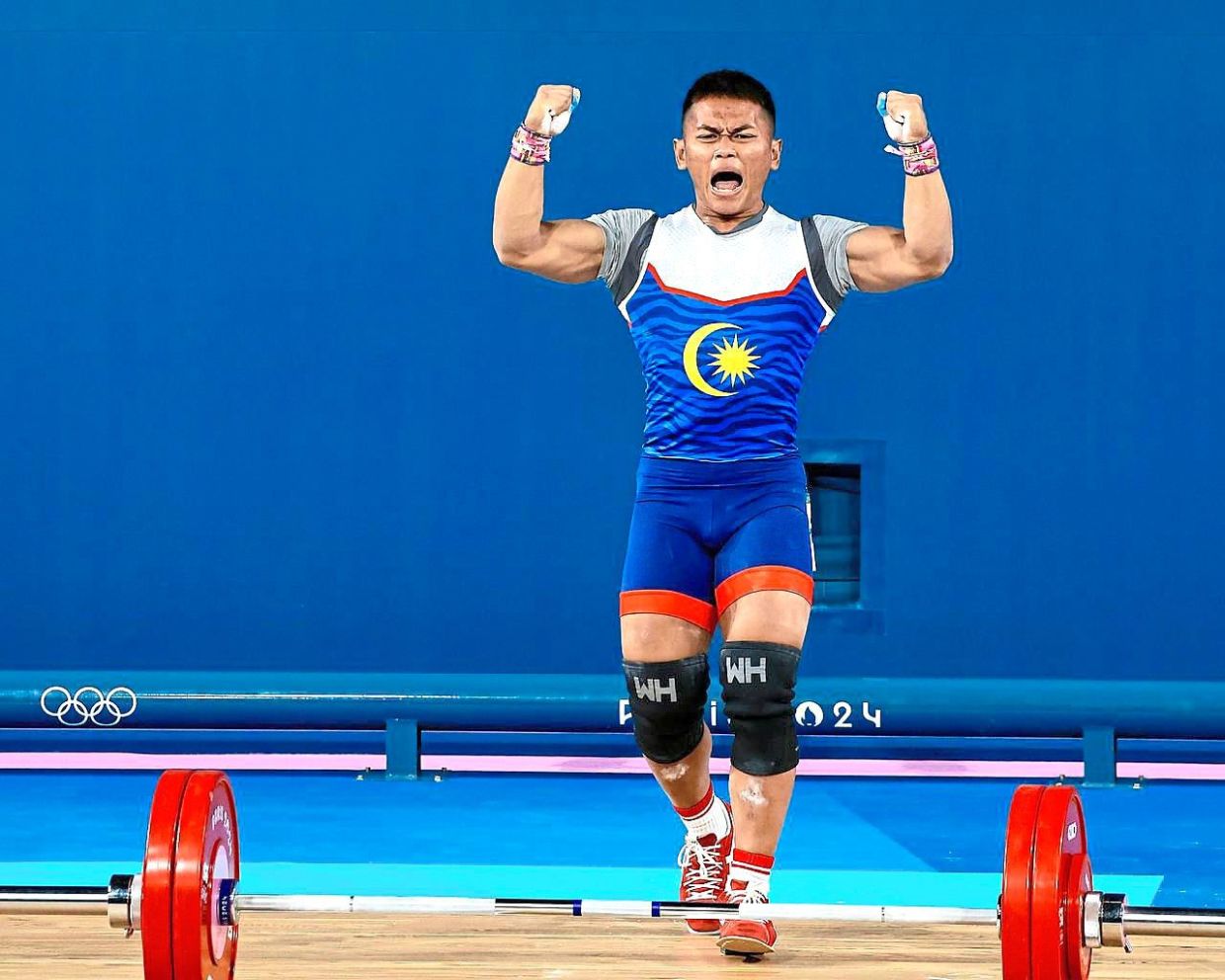
Malaysia's weightlifting federation is set to receive a significant financial injection from the government, capitalising on the sport's remarkable showing at last month's Glasgow Commonwealth Games. The Youth and Sports Ministry has committed an extra RM1 million to support the development of the sport, a decision that reflects the national squad's medal-winning performance in Scotland. Minister Dr Mohd Taufiq Johari announced the funding package after consulting with the Malaysian Weightlifting Federation and the National Sports Council on strategies to strengthen the sport across all competitive levels.
The timing of this investment comes on the heels of an exceptionally successful Games for Malaysian weightlifters, who emerged as the country's dominant medal contributors in Glasgow. The squad returned with an impressive haul of five gold medals alongside one silver and one bronze, demonstrating that the sport has developed considerable depth and competitive strength. In the broader context, these weightlifting medals made up a substantial portion of Malaysia's overall Games tally of eight golds, three silvers and five bronzes, underscoring how crucial the weightlifting contingent has become to Malaysia's international sporting success.
Beyond the immediate cash injection, the government has signalled its commitment to long-term development by approving infrastructure upgrades at a key training facility. The Rompin weightlifting training centre, which has served as a hub for athlete preparation, will undergo significant improvements with the goal of transforming it into a Sports Centre of Excellence. This elevation in facility standards reflects the government's recognition that elite performance requires world-class training environments, and such upgrades are expected to provide Malaysian weightlifters with competitive advantages comparable to those available to athletes in other weightlifting-dominant nations in the region and beyond.
Staffing arrangements will also receive attention through these new commitments. The ministry has agreed to station a full-time coach permanently at Rompin, with this specialist dedicated specifically to developing female weightlifters. This targeted approach addresses a historically underrepresented segment of the sport in Malaysia and acknowledges that gender-specific coaching can unlock potential within the female athlete population. The appointment signals an institutional understanding that women's weightlifting represents an untapped avenue for future medal success, particularly given the international trend of increasing opportunities and competitive depth in women's strength sports.
The selection and development pathway for weightlifters competing under the National Sports Council's programmes will expand following the conclusion of the current Malaysia Games, commonly known as Sukma. The quota for athletes entering these talent development initiatives will be increased, with competition committees tasked with identifying individuals who display both raw potential and adherence to established selection benchmarks. This expansion of the pipeline is intended to create a broader talent pool from which future national representatives can be drawn, ensuring that success is not dependent on a small cohort of athletes but rather built on sustainable systems that continuously identify and nurture emerging talent.
Dr Taufiq's public statements emphasised the strategic dimension of these investments, framing them not merely as rewards for past achievement but as calculated bets on the sport's continuing trajectory. He highlighted that the Glasgow performance has conclusively demonstrated weightlifting's capacity to deliver international medals consistently, a factor that justifies the allocation of public resources. The minister's framing suggests that the government views weightlifting as a sport with genuine medal-winning infrastructure and coaching systems already in place, meaning that additional funding and facilities represent incremental improvements to a fundamentally sound foundation rather than rescue measures for a struggling discipline.
For Malaysian sports policy, this decision reflects broader patterns in how the government allocates resources to Olympic and Commonwealth sports. Weightlifting, like badminton and other medal-winning disciplines, has now demonstrated sufficient international competitiveness to attract sustained government backing. This approach creates a virtuous cycle where success breeds investment, which in turn enables further development and competition at higher levels. The sport sits comfortably within Malaysia's portfolio of international medal contributors, a status that ensures continued policy attention and budgetary support.
Regionally, Malaysia's weightlifting resurgence occurs within a competitive landscape where several Southeast Asian neighbours have invested heavily in the sport. The Philippines, Indonesia, and Thailand have all developed strong weightlifting programmes, making the regional competition increasingly fierce. Malaysia's government investment can be understood partly as a defensive move to maintain competitive parity within the region, ensuring that Malaysian lifters remain capable of winning medals at Commonwealth Games, Southeast Asian Games, and other regional and international competitions where weightlifting features prominently.
The broader implications extend to how Malaysia positions itself within international sports governance. Strong performances at major Games like Glasgow strengthen the country's standing within Commonwealth Games Federation structures and contribute to diplomatic soft power. The decision to invest further in a medal-winning sport demonstrates to international partners that Malaysia takes its sporting commitments seriously and rewards success with sustained support. This consistency in policy can enhance Malaysia's reputation as a serious sporting nation capable of sustained excellence across multiple disciplines.
Looking forward, the effectiveness of these investments will be measured through performance metrics at upcoming competitions, particularly the next Commonwealth Games and Southeast Asian Games. The combination of financial support, facility upgrades, and expanded athlete selection pathways creates conditions favourable for maintaining or even improving upon Glasgow's results. However, success depends not only on resources but also on the quality of coaching, athlete discipline, and the structural efficiency with which these funds are deployed by the Malaysian Weightlifting Federation and its partners in the sports establishment.

