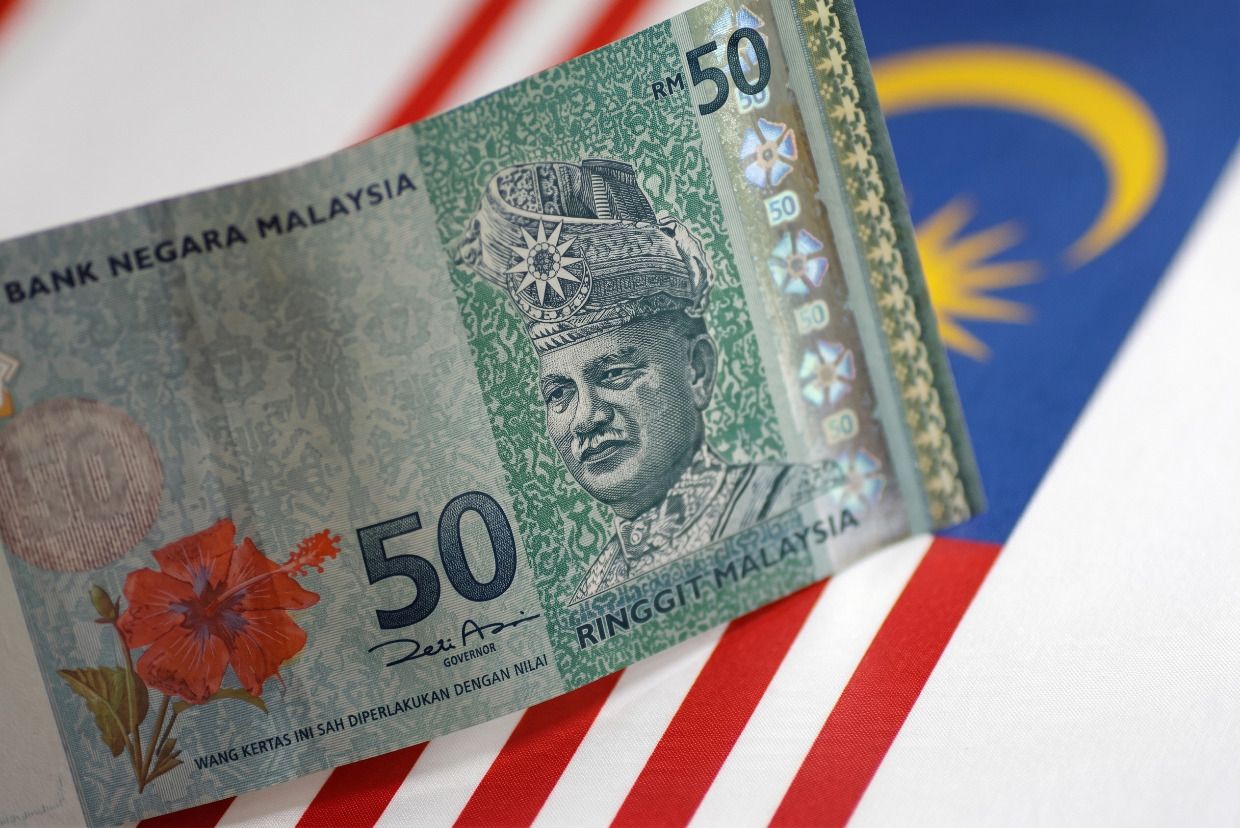
Malaysia's currency is set for a notable turnaround after disappointing performance in the first six months of 2024, with analysts pointing to a combination of policy support and underlying economic strength as the primary drivers. The ringgit, which concluded June as the weakest performer across Asia, now faces a more optimistic outlook for the remainder of the year as multiple tailwinds converge to support its recovery trajectory.
Bank Negara Malaysia has emerged as a decisive factor in the currency's near-term prospects, having announced an intensified programme in late June aimed at encouraging companies to repatriate and convert their overseas earnings back into ringgit. This institutional push to channel foreign-exchange inflows directly into the Malaysian currency represents a strategic policy intervention designed to counteract the external pressures that have weighed on the ringgit throughout the early part of this year. Economists view these measures as a crucial mechanism linking Malaysia's underlying trade strength to actual currency performance, effectively bridging the gap between favourable economic fundamentals and market realisation.
International investment banks have responded to these developments with increasingly constructive forecasts. Royal Bank of Canada has projected the ringgit could trade at approximately 3.95 per dollar by the close of the year, while analysts at Australia & New Zealand Banking Group have suggested an even stronger outcome, with the currency potentially reaching 3.80 per dollar—a level not seen since 2015. These projections represent meaningful appreciation from the current trading level of around 4.07 per dollar, reflecting confidence among major financial institutions in the sustainability of the recovery narrative.
The fundamental economic case for ringgit strength extends well beyond temporary policy measures, resting on Malaysia's robust export performance and the global appetite for its financial assets. The nation's total exports surged dramatically in May, expanding by 45 percent year-on-year, whilst the trade surplus reached a record monthly peak of 40 billion ringgit. This exceptional trade performance reflects structural advantages that Malaysia has cultivated, particularly in the technology sector where the global artificial intelligence boom has driven sustained demand for semiconductor-related products and data centre infrastructure. These are not fleeting trends but represent genuine shifts in global supply chains and technology investment patterns that should continue supporting Malaysia's external position.
Foreign investors have already begun rotating back into Malaysian assets in meaningful quantities, with international funds purchasing approximately 2.1 billion dollars worth of local bonds through late June alone. This inflow trajectory positions the bond market to record its largest monthly foreign investment since May 2025, signalling genuine international confidence in Malaysian assets rather than speculative positioning. The combination of attractive yields, currency expectations, and perceived stability in the Malaysian fixed income market has reignited foreign investor interest after a prolonged period of relative neglect.
Context surrounding these developments illuminates why the ringgit's recovery matters distinctly to Malaysia and the broader Southeast Asian region. After touching its weakest level against the American dollar since 1998 earlier in the year, the currency's struggle reflected broader concerns about emerging market vulnerability to Federal Reserve tightening and global risk-off sentiment. However, Malaysia's demonstrated resilience—coupled with deliberate policy action—has positioned it differently from peers facing more intractable structural challenges. The recovery narrative emerging now suggests that Malaysia's combination of trade surplus generation, technology sector integration, and policy credibility creates a differentiated case within the regional currency complex.
Bank Negara Malaysia's approach draws on lessons from similar initiatives implemented during 2024, when comparable efforts to encourage foreign-exchange conversion helped the ringgit rebound sharply to become Asia's strongest performer that year. The central bank's institutional memory and proven track record with such programmes lend credibility to current initiatives, whilst the wider economic environment appears even more supportive than it was twelve months earlier. Importantly, companies have accumulated substantial foreign currency deposits during the March to May period, creating a natural pool of conversions that BNM's facilitative measures can activate, according to specialists at ANZ.
Direct foreign investment flows into Malaysia remain resilient and should provide additional support, analysts note. Rather than representing a one-off phenomenon, the sustained inflow of foreign direct investment reflects genuine confidence in Malaysia's investment climate and growth prospects. Technology companies establishing regional hub operations, along with traditional manufacturing entities seeking to diversify away from concentration in China or Vietnam, continue to channel capital into Malaysia, with attendant foreign-exchange inflows that strengthen the ringgit over time.
Nevertheless, the road ahead contains complications that could constrain the appreciation pace or delay the achievement of analyst targets. A more aggressive posture from the Federal Reserve would increase the opportunity cost of ringgit holdings relative to dollar assets, potentially constraining demand during periods of rising American interest rate expectations. Domestically, upcoming state elections will test support for Prime Minister Anwar Ibrahim and his ruling coalition ahead of national polls, with political uncertainty potentially triggering occasional bouts of investor caution or capital flight among risk-averse participants.
These countervailing forces suggest that whilst the directional bias for the ringgit appears constructive, the pace and sustainability of recovery should not be taken for granted. Analysts emphasise that the currency's performance will depend critically on whether the combination of policy support, trade strength, and foreign investment can overcome intermittent periods of volatility driven by external shocks or domestic political developments. The consensus view nevertheless reflects genuine confidence that Malaysia's economic fundamentals and proactive policy response position the ringgit favourably for recovery throughout the second half of the year, with meaningful appreciation plausible if current trends persist.

