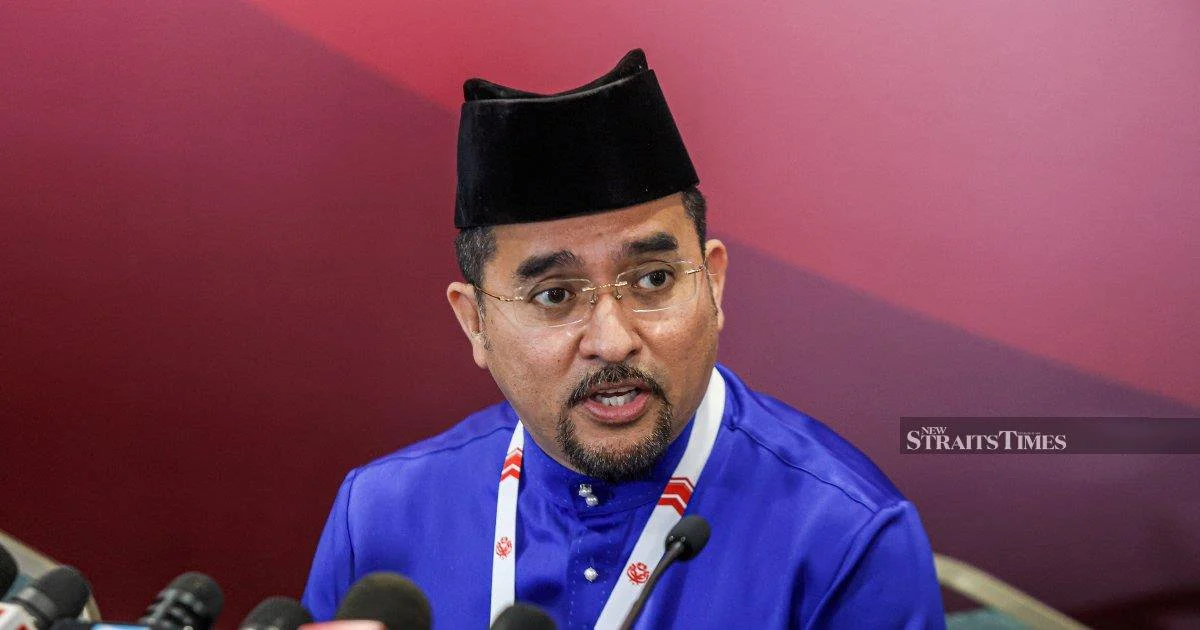
Umno secretary-general Datuk Dr Asyraf Wajdi Dusuki has explained that the Barisan Nasional coalition's postponement in naming its candidates for the Johor election stemmed from an intentionally demanding verification process designed to ensure only qualified contenders would receive the coalition's endorsement. The lengthy deliberation reflected the coalition's commitment to fielding competitive candidates capable of winning seats rather than rushing through selections based on timeline convenience.
The vetting procedures implemented by BN leadership went considerably beyond standard background checks. Party officials conducted comprehensive assessments of potential nominees' electoral viability, community standing, and alignment with coalition values. This methodical approach meant that some initial frontrunners faced extended evaluation periods, while previously overlooked candidates gained consideration as the process revealed their comparative strengths. The stringency proved time-consuming but reflected a strategic recognition that premature announcements could prove damaging if candidates subsequently faced scrutiny.
For Malaysian political observers, the BN explanation underscores broader tensions within coalition management. Umno must balance rapid decision-making with maintaining party unity among competing factions, each with preferred candidates. The Johor electoral contest carries particular significance given the state's economic importance and historical status as a Umno stronghold. Any appearance of haphazard candidate selection could embitter losing aspirants and weaken internal cohesion precisely when the coalition needs maximum mobilisation.
The announcement delay also reflected practical realities of post-election politics in Malaysia. Coalition partners within BN required consultation regarding seat allocations and shared campaign resources. Federal and state-level officials needed coordination to ensure consistency in messaging and to prevent contradictory public statements that could confuse voters. Malaysian political coalitions operate through complex power-sharing arrangements, and the Johor exercise demonstrated how these formal and informal negotiations extend the decision-making timeline.
Regional dynamics further complicated the candidate selection process. Johor's proximity to Singapore and its significance as a commercial and industrial hub meant that candidates faced expectations to address specific constituency concerns including cross-border worker issues, port infrastructure development, and industrial competitiveness. The vetting process therefore examined not merely political credentials but also prospective candidates' grasp of state-specific economic challenges and their credibility with business communities.
The stringent approach also carried implications for grassroots party structures. Umno branches at divisional and district levels lobbied intensively for preferred candidates, and central party leadership required time to adjudicate competing claims based on meritocratic criteria rather than simply endorsing incumbent power-brokers. This democratisation of candidate selection, though slower, aimed to improve the party's credibility and refresh its image following electoral setbacks in earlier contests.
From a Southeast Asian perspective, the BN experience reflects broader trends within established political coalitions across the region. Parties in Thailand, Indonesia, and the Philippines face similar pressures to balance inclusivity with efficiency in candidate selection. Malaysia's multiethnic, multi-party coalition system adds complexity absent in single-party dominant contexts, making thorough vetting particularly crucial for maintaining interethnic harmony and coalition stability.
The vetting process also served a defensive strategic function. By subjecting candidates to rigorous examination before announcement, BN could later claim that endorsed nominees represented the coalition's highest standards. Opposition parties lacked equivalent legitimacy in making similar claims about their candidates, potentially offering BN a tactical advantage in comparative credibility arguments during the campaign phase.
Looking ahead, the delayed timeline may have inadvertently benefited the coalition by allowing more preparation time for campaign operations. Earlier announcements would have extended the competitive campaign period, potentially tiring voters and giving opposition forces more time to mount counter-campaigns against individual BN candidates. The compressed final campaign window that resulted from the postponed announcements therefore possessed certain strategic advantages alongside its costs.
The explanation also reflected transparency efforts by Umno leadership to manage public expectations and preempt criticism. Rather than allowing speculation about internal disputes or indecision, senior party officials proactively framed delays as reflecting positive attributes: thoroughness, commitment to quality, and careful stewardship of party resources. This narrative management represented sophisticated political communication aimed at controlling the media framing of internal party processes.
Critical observers nonetheless questioned whether the vetting process truly served the purposes leadership claimed or merely masked factional disputes. Some veteran analysts suggested that extended deliberations reflected inability to resolve power-broker disagreements rather than principled commitment to meritocratic selection. Such interpretations underscored scepticism about party leadership's stated rationales for procedural decisions, a persistent feature of Malaysian political commentary.