The repatriation of 15 Indian tourists who lost their lives in a speedboat accident off southern Vietnam began Monday, with remains airlifted from Ho Chi Minh City to Mumbai for distribution to bereaved families across three Indian states. The tragedy represents one of the deadliest maritime incidents involving foreign tourists in the region in recent years and has raised fresh concerns about safety standards in Vietnam's tourism sector, which has become increasingly vital to the economy.
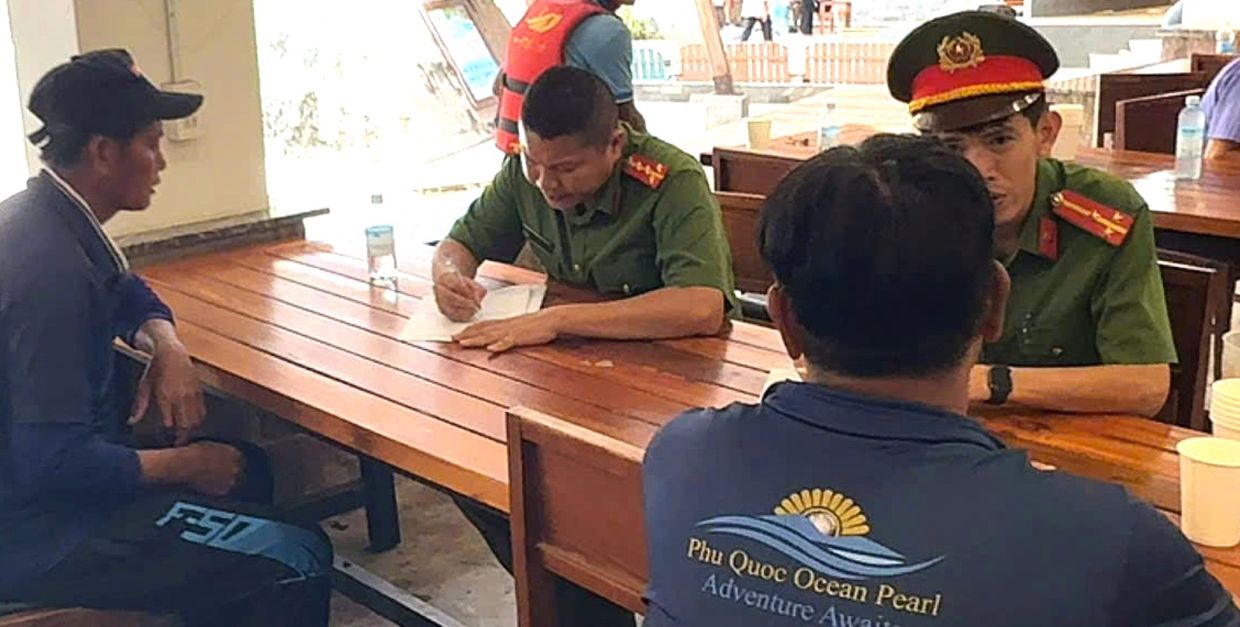
The speedboat, carrying 32 passengers from India alongside four Vietnamese crew members, capsized near Hon May Rut Ngoai island off the coast of Phu Quoc on Saturday afternoon, shortly after departing from the popular tourist island. Authorities have identified the vessel's captain, Nguyen Hong Hai, 57, as facing investigation for alleged breaches of waterway transport safety regulations. State media reports suggest preliminary findings may point to inadequate safety protocols or failure to heed weather warnings preceding the incident.
The composition of the deceased reflects a broad cross-section of India's professional and entrepreneurial classes. Ten victims hailed from Tamil Nadu, three from Andhra Pradesh, and two from Kerala, indicating the tragedy's impact across multiple regions and communities. The group formed part of a corporate excursion organized by Lava International, a Uttar Pradesh-based smartphone and consumer electronics manufacturer, intended as a reward for employees, distributors, and retail partners. The incident has prompted the Indian Embassy to coordinate with state authorities to ensure dignified repatriation and support for grieving families.
Survivors' accounts paint a harrowing picture of how rapidly a leisure outing transformed into a catastrophe. Nirmal Kumar, a 44-year-old businessman who was aboard, recounted how a storm suddenly struck, with towering waves battering the vessel as passengers scrambled for safety. The boat's increasingly erratic movements in rough seas created panic; passengers rushed across the deck attempting to find stability before the vessel ultimately overturned. Kumar and others jumped into the water as the situation became untenable, with rescue teams arriving within five minutes to extract survivors.
The psychological toll on those who survived extends beyond physical injury. Kumar revealed that the trauma of witnessing fellow travellers perish, including a childhood friend who had anticipated a memorable holiday, continues to haunt him. His testimony underscores how such disasters leave lasting emotional scars on witnesses, particularly when loved ones are among the casualties. The loss of 16 survivors who were subsequently discharged from hospital compounds the broader human cost of the incident, as these individuals must process both their own brush with death and the deaths of companions.
One survivor remained in critical condition as of Monday, transferred to Cho Ray Hospital in Ho Chi Minh City, one of Vietnam's premier medical facilities, for intensive specialist care. Medical teams reported that the 49-year-old patient sustained severe pulmonary damage from near-drowning, compounded by traumatic shock, multiple injuries, and cerebral bleeding. However, monitoring by Dr. Tran Thanh Linh, head of the intensive care unit, indicated marginal improvements in blood pressure and oxygen saturation levels, offering cautious hope for recovery amid the overall tragedy.
The accident site lies approximately 10 kilometres south of Phu Quoc, Vietnam's largest island and a jewel of its tourism infrastructure. Both the island and its surrounding waters are celebrated for pristine white sandy beaches and crystalline seas that attract millions of tourists annually, both domestic and international. The location's reputation as a premier holiday destination makes the incident particularly significant; tourists typically visit such areas with expectations of safety rooted in their popularity and accessibility to international travellers.
Vietnam's tourism sector has witnessed explosive growth, particularly from South Asian markets. India represents one of the fastest-expanding source markets for Vietnamese tourism, with increasing numbers of Indian tourists seeking beach destinations, cultural heritage sites, and adventure activities throughout the country. This trajectory reflects both strengthening bilateral ties and Vietnam's aggressive marketing of itself as a Southeast Asian tourism hub. The incident, however, raises uncomfortable questions about whether rapid tourism expansion has been matched by proportional investment in safety infrastructure and regulatory enforcement.
The investigation into Captain Nguyen Hong Hai's alleged safety violations assumes critical importance as authorities attempt to establish whether systemic failures contributed to the capsizing. Preliminary indications suggest potential non-compliance with maritime safety standards, inadequate weather monitoring protocols, or insufficient passenger safety briefings—issues that plague some operators seeking to maximize profits through high passenger volumes and frequent departures. The outcome of this inquiry will likely influence how Vietnamese authorities approach tourism safety regulation moving forward, particularly given the involvement of a foreign nationals and potential diplomatic ramifications.
For Malaysia and Southeast Asia more broadly, the incident carries cautionary implications. Tourism-dependent economies across the region operate similar maritime activities and beach resort infrastructure, often in competitive markets where cost-cutting can occur. The tragedy at Phu Quoc serves as a stark reminder that regulatory oversight, captain training standards, vessel maintenance, and weather protocols demand uncompromising adherence. Malaysian authorities managing similar activities in Sabah, Sarawak, and along the peninsula's coasts should examine whether comparable safety gaps exist domestically.
The Indian Embassy's coordination efforts and the repatriation process reflect standard diplomatic protocols for mass casualty incidents involving foreign nationals. However, the incident will likely prompt India to review safety standards among Vietnamese tourism operators catering to its citizens, potentially influencing travel advisories and tour operator licensing. Such scrutiny can benefit the broader tourism industry by raising baseline safety expectations and weeding out negligent operators, ultimately protecting both tourists and the destinations they visit.

