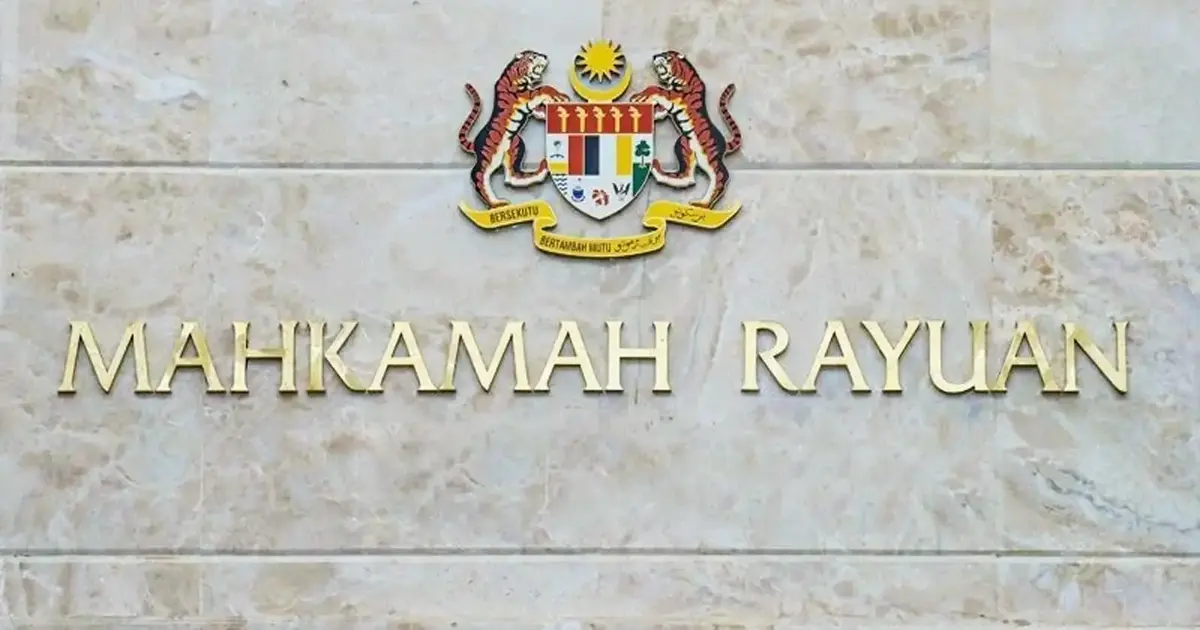
The Court of Appeal has delivered a significant ruling on the legal status of registered societies in Malaysia, determining that such organisations cannot pursue defamation lawsuits regardless of alleged damage to their standing in the community. The decision came in dismissing an appeal filed by Pertubuhan Ikram Malaysia, a registered society that had sought to claim damages for defamatory statements made against it. The judgment underscores a fundamental distinction in Malaysian law between organisations with formal legal personality—such as companies and associations registered under specific statutes—and those operating as registered societies, which occupy a more limited legal position.
At the heart of the Court of Appeal's reasoning lies the concept of legal personality, a foundational principle in law that determines which entities possess rights and obligations comparable to natural persons. The court concluded that registered societies, as defined and governed by Malaysia's societies legislation, do not possess the requisite legal personality that would enable them to hold and defend a reputation. This determination has profound implications for how such organisations can protect their interests when subjected to public statements that might compromise their credibility or operational effectiveness. Without legal personality, an entity cannot own property in its own name, enter into contracts, or bring legal action in its own right—fundamental capabilities that are essential to functioning as a distinct legal actor.
The distinction between entities with and without legal personality reflects broader jurisprudential principles adopted across common law jurisdictions. Malaysian law recognises full legal personality for incorporated bodies such as companies registered under the Companies Act, whereby the organisation becomes a separate legal entity distinct from its members and leadership. Charities and associations registered under the Societies Act similarly enjoy such recognition. Registered societies, however, operate under different statutory frameworks that provide fewer protections and narrower legal capacities. This hierarchical treatment of organisational forms means that smaller or less formally structured societies face significant barriers to accessing certain legal remedies available to more established entities.
The defamation claim itself rested on the premise that false or damaging statements made about a registered society constitute an injury to its reputation that the law should remedy. The plaintiff society argued that public allegations could undermine trust among members, donors, and the wider community, thereby causing tangible harm to its operations and objectives. Such arguments have found favour in jurisdictions where defamation law extends protection to organisational entities, recognising that reputation constitutes a valuable asset worthy of legal protection. However, the Court of Appeal's position suggests that Malaysian law has drawn a different boundary, limiting defamation protections to entities that have achieved a certain threshold of formal legal recognition.
This ruling carries significant implications for the estimated thousands of registered societies operating across Malaysia. Many such organisations serve important social, cultural, religious, and community functions, yet now operate within a constrained legal framework when it comes to defending their reputations against public statements. Civil society groups, professional associations, and community organisations registered as societies rather than under more formal structures now face a situation where defamatory speech directed at them cannot be remedied through defamation law. This gap in legal protection may encourage more cautious public communication by such organisations or, conversely, expose them to greater risk of reputational harm without legal recourse.
The practical consequences extend beyond individual cases. The ruling potentially affects how registered societies can respond to criticism, false allegations, or malicious statements in public forums, social media, and traditional media outlets. An organisation unable to pursue defamation action cannot leverage that legal threat as a deterrent to false publication, nor can it seek judicial vindication through court proceedings. Instead, registered societies must rely on other mechanisms such as responses through their own communications channels, complaints to regulatory authorities if applicable, or alternative dispute resolution approaches. For larger or well-resourced societies, this may represent merely an inconvenience; for smaller community-based organisations with limited budgets, it constitutes a meaningful loss of legal protection.
The Pertubuhan Ikram Malaysia case thus represents a clarification rather than innovation in Malaysian law, but one that many organisations may not have fully anticipated. The court's interpretation of the Societies Act and related legislation reflects the statutory framework as written, where registered societies occupy a distinct category with defined rights and limitations. Understanding this boundary is crucial for civil society actors seeking to navigate Malaysia's regulatory environment. Those concerned about their legal capacity to defend reputation and pursue remedies for defamatory statements might consider restructuring as formal associations or charities with enhanced legal personality, though such transitions involve administrative complexity and cost.
The ruling also touches upon broader questions about how Malaysian law balances free speech protections against the interests of organisational entities. By denying registered societies the ability to sue for defamation, the law implicitly prioritises freedom of expression over organisational reputation protection. This approach aligns with principles favouring open public discourse, though it may seem harsh to organisations engaged in legitimate social purposes. The Court of Appeal's decision effectively places the burden of responding to reputational threats on registered societies themselves through non-legal channels rather than through judicial intervention. For stakeholders in Malaysia's civil society sector, understanding these constraints on legal personality becomes essential for strategic planning and risk assessment when engaging in public work or addressing criticism.