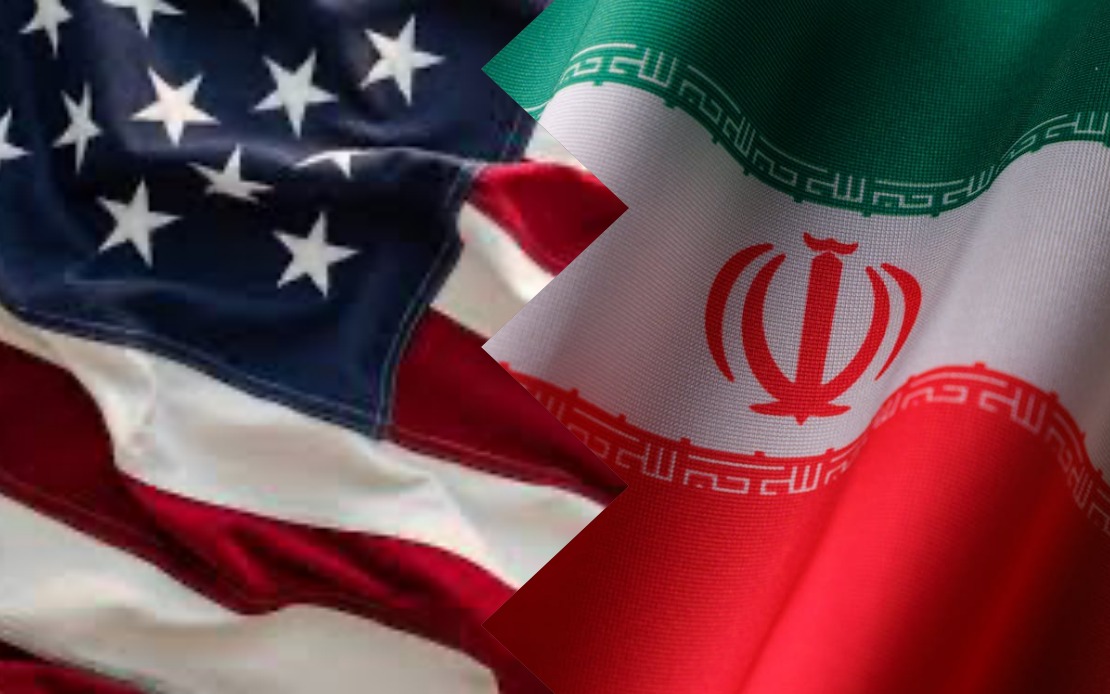
Qatar and Pakistan have jointly overseen a round of indirect negotiations between American and Iranian representatives in Doha, resulting in what mediators characterise as meaningful advancement on substantive issues, according to a statement from Qatar's Foreign Ministry. The mediation effort reflects the sustained diplomatic engagement between Washington and Tehran through carefully managed backchannel communications, with both sides demonstrating willingness to maintain dialogue despite deep-seated tensions that have defined bilateral relations for decades.
Official confirmation of the talks' outcome came through Qatar's Foreign Ministry spokesman Majed Al Ansari, who disclosed that separate meetings with each delegation yielded tangible progress on matters covered under the Islamabad Memorandum of Understanding. This framework, which emerged from earlier high-level summitry, represents a structured foundation for negotiations on issues of mutual concern between the two countries. The emphasis on discrete sessions with American and Iranian representatives underscores the delicate choreography required to advance diplomatic channels when direct engagement faces political obstacles.
The negotiations draw continuity from the Lake Lucerne Summit, an earlier diplomatic gathering that established preliminary agreement on negotiation parameters. Building incrementally on such foundations has become standard practice in international mediation, particularly when dealing with adversaries whose domestic politics complicate direct dialogue. Each incremental advance, when publicly acknowledged, serves to reinforce momentum and signal serious intent to international observers and domestic constituencies alike.
For Southeast Asian nations including Malaysia, these developments carry implications for regional stability and broader geopolitical alignments. A functional US-Iran communication channel, even one operating through intermediaries, reduces the risk of miscalculation and accidental escalation that could have ripple effects across Asian energy markets and shipping lanes. The Persian Gulf remains critical to regional security architecture, and any moderation in US-Iranian hostility potentially influences broader Middle Eastern dynamics that intersect with Asian interests.
The mediation role assumed by Qatar and Pakistan reflects their positioning as bridge states with connections across multiple diplomatic ecosystems. Qatar's sophisticated diplomatic infrastructure, developed substantially through its experience hosting major international forums and hosting American military facilities alongside maintaining strategic relationships with Iran, makes it a logical venue for such sensitive negotiations. Pakistan's involvement similarly signals recognition of its relationships within both Western and Islamic spheres, though the decision to mediate alongside Qatar rather than independently may reflect assessment of relative leverage and perceived neutrality.
Participants have committed to sustaining discussions in coming weeks, with subsequent meetings to be scheduled once current circumstances permit. The explicit reference to scheduling considerations around ceremonial obligations following former Iranian Supreme Leader Ali Khamenei's death demonstrates respect for diplomatic protocol and acknowledgment of internal Iranian political processes. Khamenei's passing on February 28 in what Tehran characterised as an Israeli strike, though international attribution remains contested, created a temporary pause in substantive negotiations while Iranian institutions navigated succession and mourning observances.
The methodical advancement through structured indirect talks suggests both sides may be moving beyond maximalist posturing toward more transactional engagement. For Malaysia and other regional economies dependent on stable energy supplies and predictable international relations, such progress offers reassurance that escalatory dynamics may be temporarily contained. Energy markets remain sensitive to geopolitical shocks from the Middle East, and any reduction in perceived conflict probability potentially moderates oil price volatility that affects regional economic performance.
The agreement to resume discussions reflects calculation by both Washington and Tehran that continued engagement, however mediated and constrained, serves their respective interests better than sustained confrontation. Neither side appears to be abandoning core strategic objectives, but both demonstrate recognition that some issues may be addressed through negotiated frameworks rather than unilateral action or military confrontation. This pragmatic calculus, while hardly revolutionary, represents a departure from periods of purely rhetorical and military posturing.
The role of Qatar and Pakistan in these negotiations also underscores how smaller and mid-sized nations maintain diplomatic relevance by positioning themselves as trusted intermediaries. Their capacity to maintain relationships across ideological divides and geopolitical blocs provides them outsized influence over great power interactions. For Malaysian policymakers, this illustrates both the opportunities and limitations of mediation roles in international diplomacy—significant influence can be exercised, but ultimate outcomes depend on whether primary parties prioritise negotiated settlement over their broader strategic competition.
The coming weeks will test whether this reported progress translates into substantive agreements or merely represents tactical repositioning by either side. International observers, including governments with stakes in Middle Eastern stability, will monitor whether the scheduled resumption of talks proceeds as planned and whether narrower agreements can eventually broaden into more comprehensive frameworks addressing underlying bilateral grievances. The sustainability of diplomatic engagement often depends less on initial optimistic statements than on whether negotiators can navigate difficult compromises without triggering domestic political backlash.

