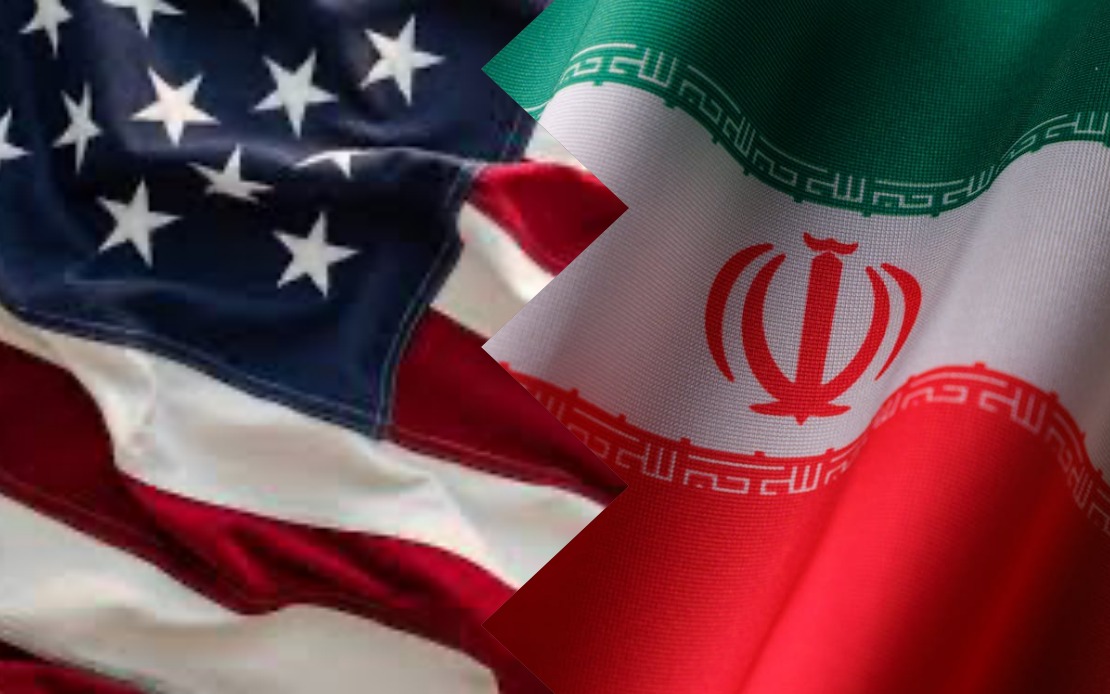
Qatar is pressing its Gulf neighbours to present a united front in implementing a US-Iran memorandum of understanding, reflecting deep concern about ongoing instability in one of the world's most strategically critical regions. Prime Minister and Foreign Minister Sheikh Mohammed bin Abdulrahman Al Thani conducted a series of diplomatic outreach calls on Monday with senior counterparts from the United Arab Emirates, Saudi Arabia, Kuwait, Oman and Bahrain, seeking to build consensus around the agreement and broader regional security arrangements.
The diplomatic initiative underscores Qatar's positioning as a regional mediator with established channels to multiple parties. As a nation that has historically maintained pragmatic relations with both Western powers and Iran, Qatar recognizes that the success of any peace framework depends on backing from the broader Gulf Cooperation Council membership, each of which faces direct consequences from Middle Eastern instability. The Foreign Ministry statement emphasized that discussions centred on recent diplomatic developments and the pressing need for coordinated action to ease sectarian and geopolitical tensions.
Al Thani's message to his counterparts stressed several interconnected priorities. First, he underlined the importance of maintaining commitment to dialogue and diplomacy as the foundation for any lasting settlement. Second, he highlighted the specific provisions of the US-Iran memorandum, which include safeguarding freedom of navigation through the Strait of Hormuz—a passageway through which roughly one-third of world seaborne traded oil passes. For Malaysia and other Southeast Asian nations dependent on Persian Gulf energy supplies, disruptions to shipping through this critical chokepoint carry immediate economic consequences. Third, he framed implementation as essential to consolidating recent diplomatic gains and preventing future escalation cycles.
The backdrop to these calls is a volatile trajectory of US-Iran military confrontation over recent months. Fighting intensified dramatically in February when American and Israeli forces launched coordinated strikes against Iranian targets, prompting Tehran to retaliate with direct attacks on multiple countries across the region. This cycle of escalation raised global concerns about uncontrolled conflict spreading, potentially disrupting oil markets and drawing in other regional powers through alliance systems.
By April, both Washington and Tehran signalled willingness to step back from brink, agreeing to a ceasefire that created space for diplomatic negotiation. A Pakistan-mediated memorandum of understanding followed in June, structured as a framework for ending military hostilities and building toward a comprehensive peace settlement that could address underlying disputes. However, the agreement proved fragile. It collapsed last month, with both sides resuming military operations and exchanging strikes for nearly two weeks—a pattern that suggests deep structural obstacles to de-escalation.
Qatar's current diplomatic push reflects awareness that without active Gulf buy-in, the memorandum risks becoming irrelevant or even counterproductive. Gulf states, particularly Saudi Arabia and the UAE, have their own strategic interests in Iran policy and regional security architecture. Saudi Arabia has historically viewed Iranian expansion with concern, while the UAE has pursued its own diplomatic openings with Tehran. Bahrain and Kuwait occupy vulnerable geographic positions in the Persian Gulf, while Oman has long cultivated neutrality. By convening these parties around shared commitment to the memorandum, Qatar seeks to prevent any single state from spoiling the agreement through unilateral action or competing diplomatic initiatives.
The emphasis on freedom of navigation reflects the economic stakes involved. The Strait of Hormuz remains a potential chokepoint where even temporary disruptions can spike global oil prices, affecting inflation and economic growth worldwide. For Malaysia—a major energy importer and trading nation—any sustained closure or threat to the strait's security carries direct implications for fuel costs, manufacturing competitiveness, and supply chain stability. Al Thani's specific invocation of this issue signals that the memorandum's implementation framework includes concrete mechanisms to prevent either the US or Iran from weaponizing maritime access.
Qatar's reaffirmation of support for efforts aimed at reaching a comprehensive agreement reveals diplomatic strategy. Rather than viewing the June memorandum as an endpoint, Qatari leadership treats it as a foundation for broader negotiations addressing the full spectrum of US-Iranian grievances and regional security concerns. This longer view acknowledges that temporary ceasefires without addressing root causes often collapse, as recent weeks have demonstrated. A truly lasting agreement would need to tackle issues such as nuclear arrangements, sanctions regimes, proxy warfare in Yemen and Iraq, and the balance of power in the Persian Gulf.
For Southeast Asian policymakers and business leaders, Qatar's initiative carries implications. The region's energy security, trade routes, and geopolitical positioning all depend on Middle Eastern stability. When the Strait of Hormuz destabilizes, ripple effects reach across Asian markets. Malaysia's role as a major trading hub and energy consumer makes it particularly sensitive to Persian Gulf disruptions. Additionally, Southeast Asian nations have growing economic relationships with Iran—despite Western sanctions regimes—and stand to benefit from normalized relations that could open new trade and investment opportunities.
The coming weeks will test whether Qatar's diplomatic coordination produces tangible results. The critical question is whether all Gulf states will actively support implementation mechanisms or merely offer passive acquiescence. Given that some Gulf neighbours maintain different strategic calculations regarding Iran, unanimous commitment cannot be assumed. Nevertheless, Qatar's convening role reflects a pragmatic understanding that regional powers have collective interest in preventing another cycle of escalation, regardless of underlying disputes. The memorandum's success ultimately depends on this combination of coordinated diplomatic pressure and sustained dialogue channels—precisely what Qatar is attempting to construct.

