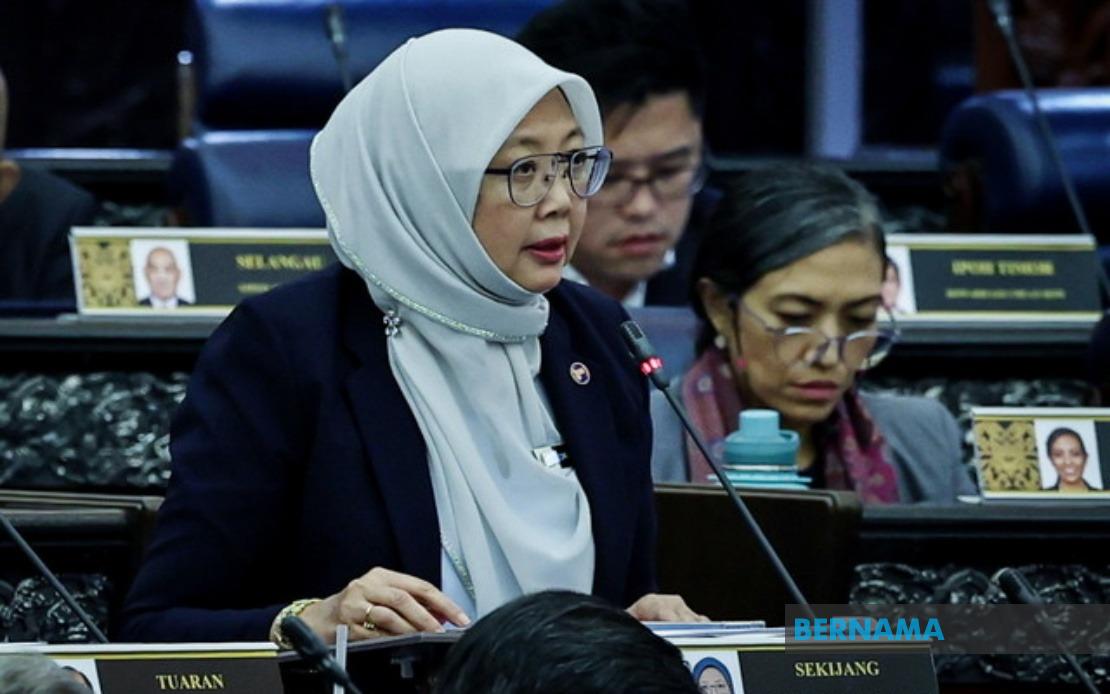
Datuk Seri Dr Zaliha Mustafa has pressed Parliament to release comprehensive details about Lembaga Tabung Haji's (TH) implementation of Royal Commission of Inquiry recommendations, arguing that transparency is essential to rebuild trust among the institution's Muslim depositors. Speaking during parliamentary debate at a special Dewan Rakyat sitting, the Government Backbenchers Club chairman stressed that a full accounting of reform measures and loss recovery efforts should be made available to the public, given TH's pivotal role in safeguarding savings for Malaysian Muslims undertaking the haj pilgrimage.
The RCI, established in 2021 and formally constituted in January 2022, presented its findings to the Yang di-Pertuan Agong in August 2022. The 211-page report, which remained confidential for an extended period before recent public release, identified management and operational deficiencies spanning 2014 to 2020 and formulated 25 recommendations for institutional strengthening. As of late July, TH had reportedly fulfilled three-quarters of these recommendations, though Dr Zaliha contended that depositors and lawmakers required granular detail about which measures had been completed, which remained underway, and realistic timelines for outstanding reforms.
Dr Zaliha, who represents Sekijang, structured her parliamentary contribution around three critical dimensions: TH's financial standing and dividend distributions, investment strategy and performance, and governance mechanisms and accountability frameworks. Her intervention reflected broader parliamentary concern about whether the institution had adequately addressed the systemic vulnerabilities that precipitated its financial distress. The RCI's conclusions had previously identified electoral pressure as a contributing factor to TH's crisis, a finding that underscores the complex intersection between institutional autonomy and political considerations in managing a body holding significant Muslim assets.
A particularly contentious issue raised by Dr Zaliha concerned the role of former TH chairman Datuk Seri Abdul Azeez Abdul Rahim during the critical period leading up to the institution's difficulties. Although nominally a non-executive chairman, records suggested he maintained substantial influence over significant investment decisions and negotiations undertaken by the organisation. Dr Zaliha specifically requested governmental clarification regarding the extent of his involvement in these transactions and pressed for confirmation of allegations that accounts associated with him had, at certain points, accumulated cash balances approaching RM170 million. These queries reflect ongoing scrutiny of governance standards and the potential concentration of decision-making authority within TH's senior leadership structures.
The call for disclosure also addresses what Dr Zaliha characterised as a fundamental tension within Malaysian Muslim institutional discourse. While unity among Muslim communities is frequently invoked as a guiding principle, she argued, such appeals become hollow when institutions entrusted with community savings are mismanaged or when those bearing responsibility are shielded from meaningful examination. This framing highlights the political sensitivity surrounding TH accountability, particularly when scrutiny might implicate prominent figures or reflect adversely on particular administrations during whose tenure problems accumulated.
TH occupies a distinctive position within Malaysia's financial ecosystem as a dedicated savings vehicle for the Muslim majority undertaking the haj obligation. Unlike conventional banking institutions, TH carries not merely fiduciary responsibilities but also deep cultural and religious significance for its depositors. The institution's credibility directly affects Muslims' willingness to entrust long-term savings toward this religious obligation, making transparency and demonstrated reform particularly consequential. A loss of confidence could prompt savers to redirect haj savings through alternative channels, diminishing TH's resource base and complicating efforts to restore its financial health.
The parliamentary discussion underscores a broader pattern within Malaysian governance whereby investigative commissions produce recommendations that subsequently encounter implementation delays or incomplete execution. Dr Zaliha's specific proposal that implementation status be formally presented to Parliament reflects efforts to strengthen oversight and create accountability mechanisms beyond internal government reporting. By requiring parliamentary disclosure, such an approach introduces public scrutiny and legislative leverage that might encourage expedited execution of outstanding reforms. The presentation of a public recovery plan detailing past corrective actions, ongoing initiatives, and prospective measures would demonstrate concrete commitment to addressing the underlying problems identified by the RCI.
The financial recovery dimension carries particular weight given the magnitude of losses sustained by TH depositors. The institution's difficulties resulted in actual monetary harm to millions of Malaysians who had accumulated savings for the haj experience. Beyond governance improvements or structural reforms, affected depositors seek reassurance that management and government are actively pursuing strategies to recover lost funds or offset losses through enhanced returns. Without transparent communication about recovery efforts and realistic timelines, uncertainty persists regarding whether TH can ultimately restore the full value of compromised savings.
Dr Zaliha's intervention reflects growing parliamentary assertiveness regarding institutional accountability, particularly for bodies managing public or community assets. The Sekijang MP's emphasis on completing implementation timelines and presenting comprehensive reports suggests that parliamentary committees and backbenchers are increasingly disinclined to accept executive branch assertions of progress without detailed supporting documentation. This shift carries implications for how Malaysian government agencies approach recommendations from investigative bodies, potentially elevating expectations for systematic follow-through and verifiable outcomes.
The timing of Dr Zaliha's remarks, delivered during a special parliamentary sitting devoted to the RCI findings, indicates that TH governance remains subject to active legislative attention. The fact that the 211-page report underwent considerable delay before public release had already generated questions about potential sensitivity surrounding specific findings or recommendations. Her call for full disclosure thus also implies that certain details or recovery initiatives may remain inadequately communicated to Parliament or the broader public, warranting more forthcoming government presentation of available information.
Moving forward, the government faces a choice between continued selective disclosure of TH reform progress or more comprehensive and frequent reporting that fully addresses parliamentary and public expectations. The recommendation for formal presentation of implementation status to the Dewan Rakyat, coupled with detailed recovery initiatives, would establish clearer benchmarks for measuring progress and provide depositors with concrete information about institutional rehabilitation efforts. Such transparency could substantially strengthen TH's standing among Malaysian Muslims and demonstrate that the institution has genuinely internalized lessons from its previous management failures.

