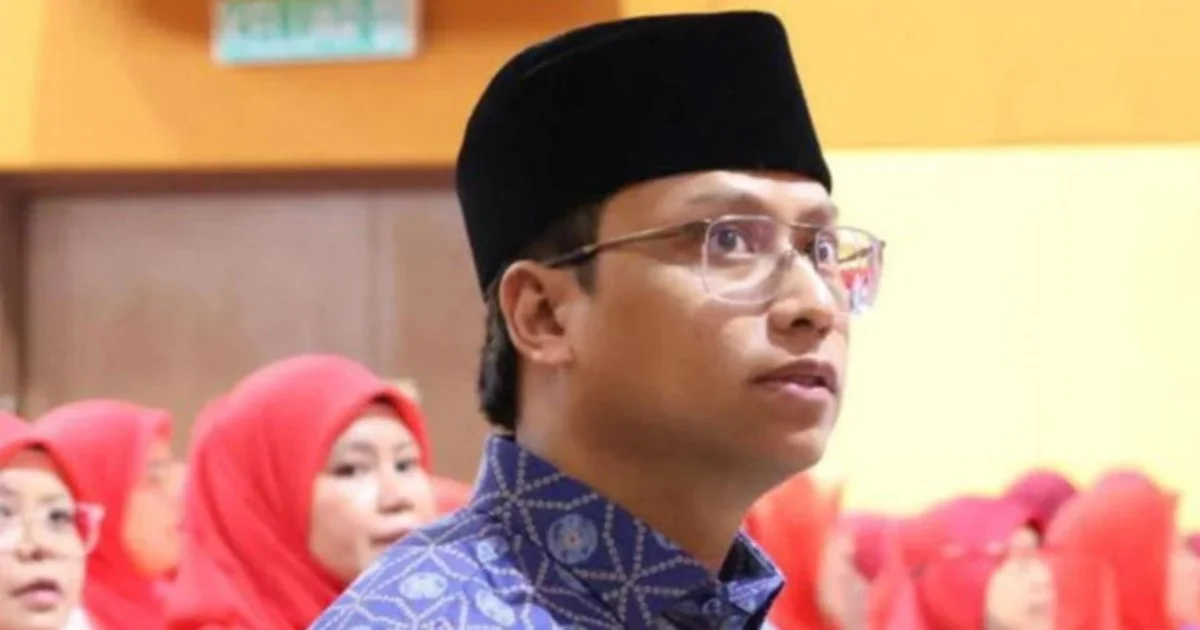
The family of Datuk Dr Mohd Puad Zarkashi, a veteran within Umno's upper echelons, has moved to shield the former Supreme Council member from mounting criticism over his recent public commentary on the party's direction. His son's defence offers a window into the generational tensions within Malaysia's largest Malay-Muslim party, where elder statesmen sometimes find themselves at odds with the prevailing institutional consensus. The intervention underscores the delicate balance between maintaining party unity and voicing concerns about Umno's strategic trajectory—a tension that has periodically erupted throughout the party's seven-decade history.
According to the family's position, Puad's remarks were not motivated by personal grievance or factional positioning but rather by a genuine conviction that candid internal dialogue is necessary for institutional survival. This framing attempts to reposition what some observers within Umno viewed as potentially destabilising criticism into a form of constructive engagement rooted in patriarchal concern for the party's welfare. The argument mirrors a common defence deployed by elder party figures who breach public decorum: that their interventions, however uncomfortable, serve the collective good rather than partisan advantage.
The timing of this family statement carries particular significance within Umno's current political environment. The party has faced repeated organisational and legitimacy challenges in recent years, ranging from internal leadership disputes to electoral pressures from emerging competitors within the Malay-Muslim political space. Against this backdrop, senior figures like Puad occupy an ambiguous position—respected for their institutional memory and accumulated political capital, yet sometimes perceived as obstacles to modernisation or strategic repositioning.
Puad's career trajectory exemplifies the shifting fortunes of Umno's traditional elite. Membership on the Supreme Council represented a pinnacle of party influence, placing him alongside decision-makers at the highest levels. Yet in contemporary Malaysian politics, formal positions often matter less than proximity to the current leadership and alignment with dominant factional interests. This gap between historical status and present influence may partly explain why his recent remarks generated controversy—they represented a voice speaking from institutional credentials that no longer automatically command deference.
The invocation of historical judgment in the son's defence introduces an interpretive framework that extends beyond immediate partisan calculations. By suggesting that time will vindicate the elder Puad's position, the family appeals to a longer historical arc where party interests transcend individual leadership cycles. This rhetorical move attempts to elevate the discussion from factional dispute to principled disagreement about Umno's fundamental direction and values.
Within Malaysian political discourse, such intergenerational defence mechanisms reveal how party legitimacy increasingly depends on constructing narratives of principled engagement rather than pure factional loyalty. The son's public backing serves multiple functions: it signals family cohesion to Umno's grassroots supporters, it reframes the father's criticism as prophetic rather than disruptive, and it attempts to establish a record for eventual historical vindication.
The broader context involves Umno's evolving relationship with political Islam, national identity frameworks, and coalition dynamics. The party has historically navigated these tensions through internal debate among its elite, with public interventions by senior figures carrying weight as tests of institutional tolerance for diverse viewpoints. Puad's remarks appear to touch on these foundational questions, making the family's defence not merely personal but ideologically consequential.
For Malaysian political observers, this episode illustrates the continuing centrality of Umno to national politics despite its reduced dominance compared to earlier decades. The party remains large enough and internally pluralistic enough that conflicts among its senior figures attract significant public attention. Regional analysts monitoring Malaysian political stability watch these internal party dynamics carefully, as Umno's cohesion significantly affects government formation possibilities and coalition architectures.
The family's framing also reflects evolving generational attitudes within Umno about internal criticism and institutional transparency. Younger party members and their supporters sometimes interpret elder figures' public statements as relics of an earlier era when party elders could influence direction through informal channels and Supreme Council influence. By contrast, the family's defence suggests that principled positions merit articulation even when institutional power to enforce them has diminished.
Looking ahead, how Umno's current leadership responds to this family defence will signal the party's actual tolerance for internal dissent. Should the party formally sanction the younger Puad or ignore the matter, both outcomes communicate different messages about institutional flexibility and respect for senior figures' advisory roles. The episode thus transcends individual personalities to address fundamental questions about how Malaysia's oldest political party navigates succession, institutional memory, and strategic renewal during a period of significant external pressure and internal uncertainty.

