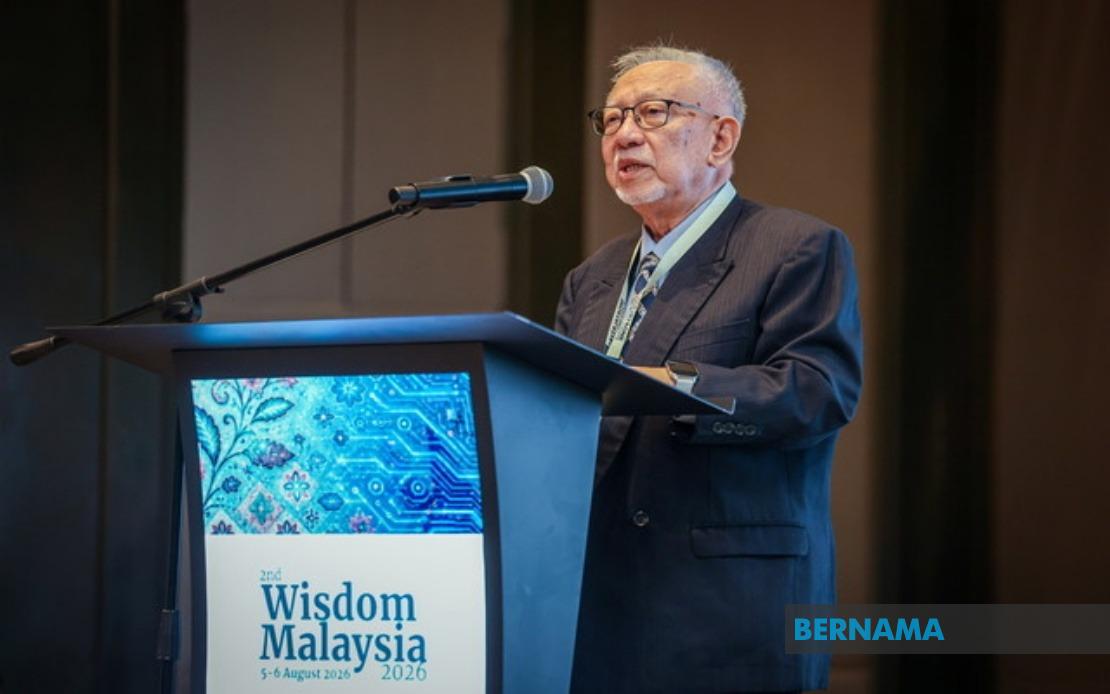
Datuk Syed Ahmad Idid Syed Abdullah, a former High Court Judge of Malaya and Borneo, has cautioned that the nation risks escalating financial scandals if it continues to intimidate and suppress those who report corruption rather than investigating their claims. Speaking at the 2nd Wisdom Malaysia Conference 2026 in Kuala Lumpur, the judicial veteran stressed that whistleblower protection forms the backbone of any serious anti-corruption agenda, warning that dismantling such safeguards creates a chilling effect among principled public servants.
The suppression of whistleblowers fundamentally undermines institutional integrity by creating an environment where honest officers fear the consequences of speaking out against abuse of power. When organisations punish those who expose wrongdoing, they effectively signal that silence is safer than conscience, driving ethical individuals away from positions where they might otherwise serve as internal checks on malfeasance. This dynamic transforms the workplace into a haven for corruption, as potential wrongdoers recognise that their activities face minimal risk of internal exposure.
Syed Ahmad Idid emphasised during a dialogue session titled 'The Life, Conscience and Costs of the Principled' that whistleblowing constitutes an act of justice rather than slander or disloyalty. The distinction matters profoundly in public discourse, where critics often attempt to delegitimise whistleblowers by reframing their disclosures as personal attacks or organisational betrayal. However, legitimate whistleblowing targets systemic problems and illegal conduct, serving the broader public interest rather than narrow individual grievances. This clarification becomes particularly important in Malaysia's context, where national development depends heavily on public trust in institutions and the integrity of resource allocation.
The financial dimension of corruption eradication carries particular relevance for developing nations struggling with infrastructure deficits and human capital development. Syed Ahmad Idid illustrated the scale of potential benefit by noting that successfully recovering illicit proceeds from corrupt dealings and financial leakages could fund transformative public investments. He specifically highlighted that recovered funds could finance the construction of at least two general hospitals in every Malaysian state, addressing critical healthcare access issues that affect millions of Malaysians, particularly in rural and semi-urban areas.
Beyond healthcare infrastructure, the recovered resources could support massive expansion of educational capacity and quality. Syed Ahmad Idid estimated that sufficient funds exist to establish between 20 and 50 high-quality schools nationwide, equipped with modern facilities and staffed by properly trained educators. Such expansion holds particular significance for Malaysia's efforts to enhance educational outcomes and international competitiveness. A system characterised by superior infrastructure, comprehensive equipment, and well-developed teacher training would position Malaysian students more competitively within regional and global markets.
Educational excellence driven by anti-corruption investment creates cascading benefits across society. Syed Ahmad Idid noted that world-class education systems generate exceptional human capital essential for national development across multiple sectors. Beyond producing skilled workers for the knowledge economy, superior education directly strengthens security and defence capabilities by enabling recruitment of more capable personnel. The connection between educational quality and national security often remains underappreciated in policy discussions, yet countries with stronger educational foundations demonstrate measurably better performance in security force training and effectiveness.
Athletic development represents another sector where recovered corruption proceeds could generate significant returns. Enhanced educational investment naturally strengthens sports training infrastructure and coaching quality, enabling Malaysia to develop elite athletes capable of competing at international levels. This dimension connects individual sporting achievement to national pride and soft power projection, making it an integral component of comprehensive national development strategy. Countries that excel in international sporting competitions gain diplomatic advantages and strengthen national identity, effects that ripple through society.
Syed Ahmad Idid's broader argument rests on the proposition that corruption represents not merely an ethical failing but an economic catastrophe that compounds over time. Societies that tolerate corrupt practices suffer cascading institutional decay as corruption spreads across sectors and hierarchies. Initial financial losses from individual corrupt transactions pale against the systemic damage inflicted by normalised malfeasance. When whistleblowers face intimidation rather than protection, this normalisation accelerates, rendering institutional reform progressively more difficult and expensive.
The judge called on Malaysian society to maintain unwavering commitment to justice and integrity principles, resisting pressures to reinterpret or leniently excuse corrupt practices. Such pressure often emerges from individuals with vested interests in maintaining corrupt systems or from those who rationalise corruption as inevitable or harmless. Public discourse must firmly reject these rationalisations, reinforcing the message that corruption represents a betrayal of public trust that warrants decisive action. Maintaining this principled stance requires constant vigilance and public education, particularly given the sophisticated methods that corrupt actors employ to justify their conduct.
The 2nd Wisdom Malaysia Conference 2026, organised by Kerjaya One PLT, positioned itself as a forum enabling current and former industry leaders to impart practical wisdom and accumulated experience to emerging leaders and professionals. This intergenerational knowledge transfer holds particular value in addressing corruption, as experienced leaders can illuminate the long-term consequences of permitting unethical conduct and demonstrate how principled leadership generates sustainable competitive advantages. By creating spaces where principled conduct receives celebration and reinforcement, such forums strengthen societal commitment to integrity across sectors.
Syed Ahmad Idid's intervention arrives at a moment when Malaysia continues grappling with implementing comprehensive anti-corruption frameworks and ensuring that whistleblower protection mechanisms function effectively in practice. The former judge's warning that intimidation of whistleblowers ultimately serves corrupt interests rather than institutional stability carries particular weight given his judicial background and credibility. His message reinforces that protecting those who report corruption represents not sentimentality or institutional disloyalty but rather enlightened self-interest in creating functional institutions capable of delivering public goods and maintaining social trust.
The conversation Syed Ahmad Idid initiated extends beyond Malaysia's borders, resonating throughout Southeast Asia where corruption continues draining resources from development priorities and undermining institutional legitimacy. Regional peers facing similar challenges recognise that whistleblower protection represents a prerequisite for institutional reform, yet implementation remains inconsistent and often inadequate. The judicial perspective offered at the Wisdom Malaysia Conference demonstrates how regional expertise and experience can inform robust responses to transnational governance challenges, strengthening the region's collective commitment to integrity and accountability standards.

