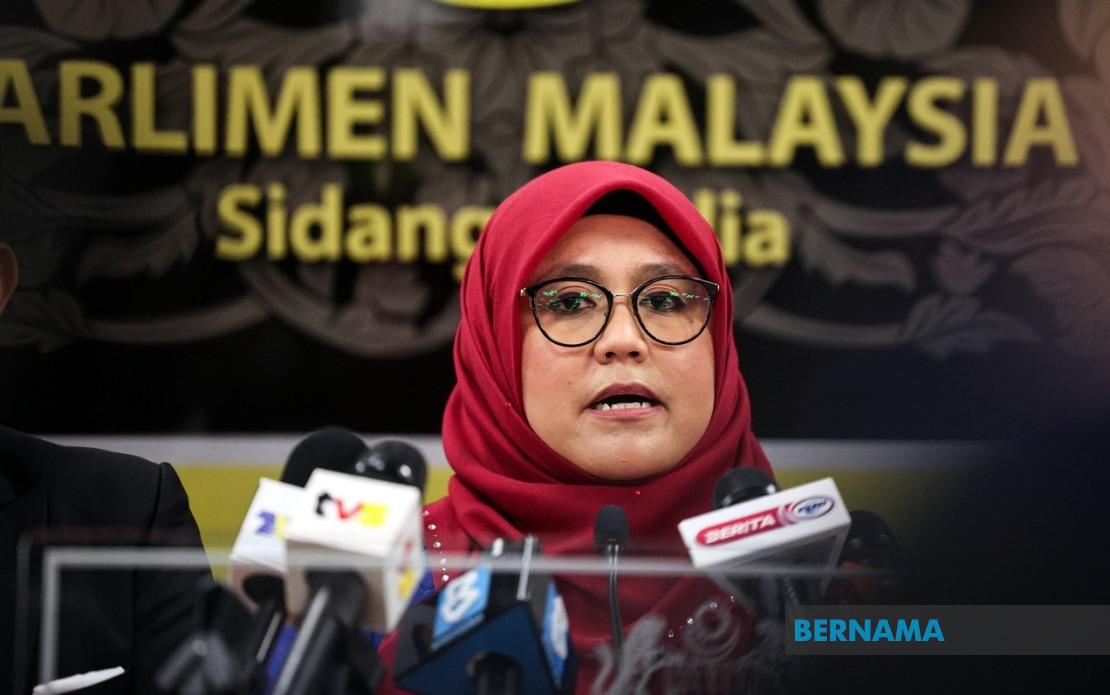
The Public Accounts Committee has zeroed in on what it believes is the root cause of Malaysia's mounting health insurance costs: unregulated charges imposed by private hospitals for everything except physician professional fees. In a report tabled in Parliament by Kapar MP Dr Halimah Ali on behalf of PAC chairman Datuk Mas Ermieyati Samsudin, the committee's investigation revealed that doctors' remuneration has remained under regulatory oversight since 2013, yet ancillary medical expenses have operated in a largely uncontrolled environment. This regulatory asymmetry has created space for hospitals to expand their revenue streams through channels beyond what patients and insurers can readily scrutinize or challenge.
The scope of unregulated charges extends far beyond basic medicines. Hospital operators have passed on the full cost of medical technology, diagnostic and laboratory procedures, and rising operational expenses—including staff wages, utility bills, and facility maintenance—directly to patients and their insurers. Litigation costs and defensive medical practices, driven by concern over potential lawsuits, have further inflated institutional expenses. Together, these factors have compressed the financial sustainability of private healthcare delivery, forcing hospitals to seek compensation through premium pricing on services that face no standardized caps or benchmarks.
What complicates matters significantly is the absence of any unified billing framework across Malaysia's private hospital sector. Each facility operates its own pricing architecture, making it nearly impossible for patients, insurers, or regulators to determine what a particular service genuinely costs to deliver versus what constitutes profit margin. This opacity undermines market transparency and removes a key incentive for hospitals to contain costs—there is simply no baseline against which their charges can be compared or challenged. High medicine prices, the PAC found, are frequently leveraged to absorb institutional operating expenses that should theoretically be billed separately but instead remain bundled into pharmaceutical costs.
The practice of unbundling represents another dimension of the pricing problem. Hospitals have begun separately itemizing charges for what would logically be incorporated into existing service packages: clinical waste disposal, bed linens, and basic medical supplies such as alcohol swabs now appear as discrete line items on patient bills. These granular charges, individually modest, collectively add substantial sums to the overall cost of admission. They also obscure the actual price of core medical services, making it difficult for insurers to assess whether they are paying reasonable rates.
Pricing discrimination further compounds inequity within the private system. Patients presenting guarantee letters from insurers typically face higher charges than those settling through cash payments or the pay-and-claim mechanism, revealing that hospitals effectively charge different prices for identical services depending on the payment method. This practice subsidizes the use of insurance while penalizing those capable of immediate payment, creating perverse incentives within the insurance and payment ecosystem.
The pharmaceutical supply chain presents its own set of pricing anomalies. The PAC identified substantial markups at successive distribution stages, in some cases resulting in generic medicines commanding higher prices than their branded, innovator counterparts. The underlying structural problem is stark: Malaysia has over 1,500 registered medicines with only a single registered manufacturer, essentially creating monopolistic conditions where competition cannot restrain pricing. Without alternatives, hospitals and patients face take-it-or-leave-it offers from sole suppliers, eliminating the price discovery mechanism that normally constrains costs.
To address these cascading problems, the PAC has submitted seventeen recommendations to government, anchored on accelerating deployment of the Diagnosis-Related Group payment system—a mechanism that standardizes charges based on medical condition rather than individual hospital pricing. The committee also proposes amending the Private Healthcare Facilities and Services Act 1998 to grant the Ministry of Health explicit authority to regulate private hospital charges beyond physician fees, extending regulatory reach to the non-professional expense categories that currently operate without constraint. The Ministry of Health and the Ministry of Domestic Trade and Cost of Living should jointly establish pricing controls for medicines and medical equipment, while exploring direct procurement from manufacturers—particularly local producers—to reduce intermediaries and cartels that inflate supply costs.
Malaysia's parliament has largely coalesced around the PAC's diagnosis. Twelve MPs spanning government and opposition benches participated in debate on the report, with broad agreement that private hospital charge regulation requires tightening and that insurance industry transparency demands improvement. Several legislators advocated for expedited implementation of the DRG system, calling for coordinated action among the Ministry of Health, Bank Negara Malaysia, and stakeholder institutions to combat medical cost inflation more systematically. The parliamentary consensus also extended to calls for increased public healthcare investment—a recognition that private sector cost pressures will continue eroding accessibility unless government facilities receive adequate resources.
Additional proposals gaining traction include freezing fee increases at university teaching hospitals until viable alternatives materialize, a comprehensive review of insurance-related legislation, and potentially higher taxation of private hospitals generating substantial profits from medical tourism. These suggestions reflect broader frustration that private healthcare expansion, intended to relieve pressure on public facilities, has instead created a two-tier system where cost controls in the public sector make those facilities the refuge of last resort while private providers continue escalating charges with limited restraint.
For Malaysian patients and employers, the implications are immediate. Health insurance premiums will likely continue climbing until structural reforms take hold, and those relying on guarantee letters will continue subsidizing hospitals' unregulated cost expansion. The PAC's work suggests that transparency, regulatory parity, and competitive pricing mechanisms remain absent from Malaysia's private healthcare landscape. Implementation of the committee's recommendations would represent a substantial shift toward accountability, though the pace of legislative change and regulatory implementation remains uncertain. Without intervention, the current trajectory points toward further erosion of affordable access to private healthcare, pushing more Malaysians toward already-strained public systems or forcing difficult choices between medical care and household finances.

