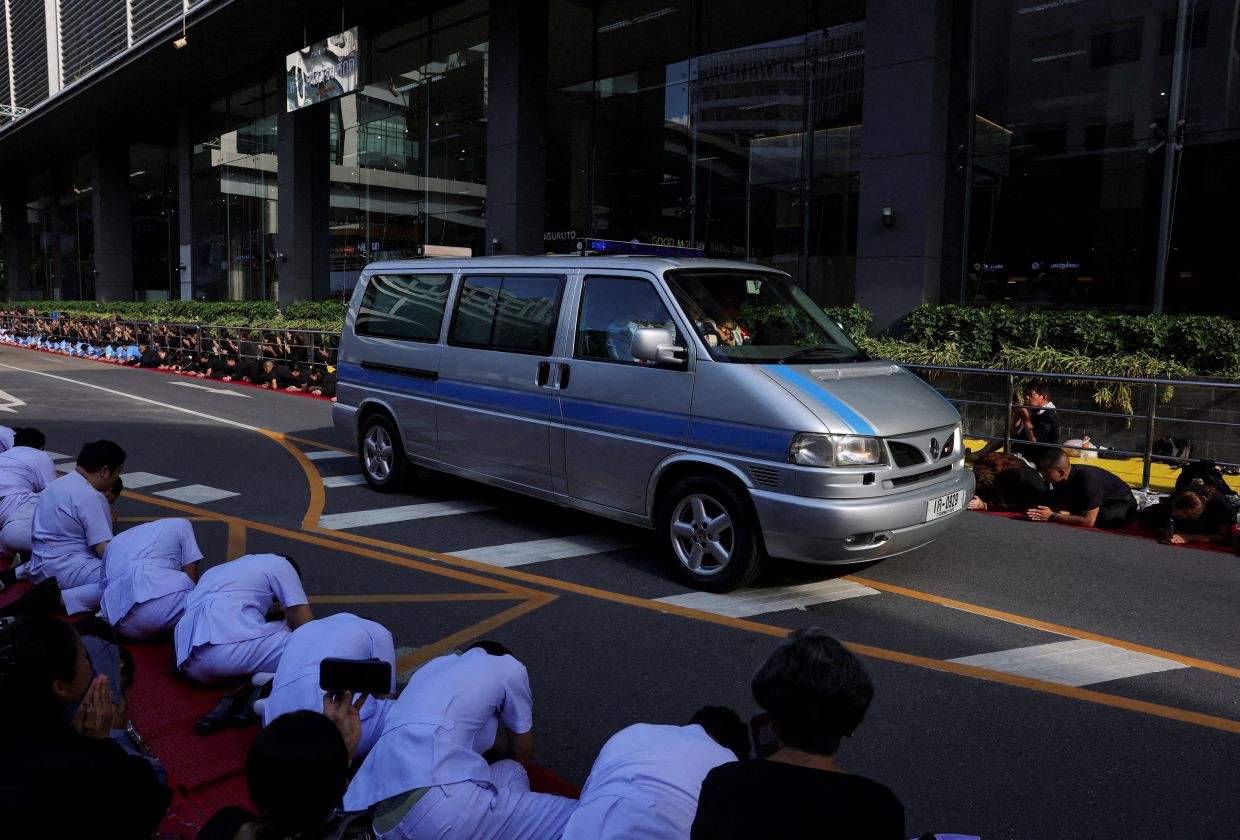
The passing of Princess Bajrakitiyabha Narendira Debyavati, the Thai king's eldest daughter and most prominent child, has sparked fresh scrutiny of succession arrangements in a kingdom where the monarchy commands immense authority. The princess, who had been hospitalized for nearly four years before her death this week, was once viewed as a likely contender to inherit the throne. Her loss leaves King Maha Vajiralongkorn, now in his 73rd year, without a publicly named successor despite ruling for nearly ten years.
Monarch succession in Thailand is governed by a 1924 palace law that traditionally bars female members of the royal house from inheriting the crown. However, constitutional amendments introduced in 1974 created a loophole allowing the Privy Council—the sovereign's advisory body—to appoint a princess should the throne fall vacant without a designated heir. Many analysts believed this pathway could have enabled Princess Bajrakitiyabha to become Thailand's first reigning queen, given her elevated status and extensive public responsibilities, which included serving as a diplomat in Austria and holding various United Nations positions. She was also recognised for advancing prison reform initiatives that led to the adoption of the Bangkok Rules by the UN in 2010 to improve conditions for female prisoners.
Among the king's remaining children, only two hold royal titles. Prince Dipangkorn Rasmijoti Sirivibulyarajakumar, 21, born to the monarch's third wife and widely viewed as the presumptive heir, received his early schooling at Thailand's prestigious Chitralada School before pursuing education in Germany. Princess Sirivannavari Nariratana Rajakanya, 39, the only surviving child with official royal status besides the late princess, resides in Thailand and has distinguished herself through international fashion design and success in badminton and equestrian competitions at the Southeast Asian Games. She graduated from Chulalongkorn University in 2008 and has built a luxury fashion brand showcased at major international venues.
The king's four sons from his second marriage—Juthavachara, 46; Vacharaesorn, 45; Chakriwat, 43; and Vatchrawee, 40—have been barred from succession after being stripped of their royal ranks and exiled to the United States following their parents' 1996 divorce. Juthavachara has spent over two decades in the aviation sector as a director at an aircraft maintenance firm in San Diego, while Vacharaesorn practised law in New York and founded a Thai Heritage Scholarship Fund. Chakriwat works as a physician and operates a health-focused YouTube channel with more than 200 videos, while Vatchrawee holds advanced degrees in law and business administration.
Vacharaesorn briefly returned to Thailand in August 2023 after 27 years overseas, triggering conjecture that he might be rehabilitated to rejoin the royal family, though he and Chakriwat faced re-exile in June 2025. The king retains authority to restore their royal titles and invite them back into the succession line. Discussion concerning Thailand's royal family remains extremely delicate, as the nation enforces strict lese-majeste legislation that criminalises insults or criticism of the monarchy with sentences reaching 15 years imprisonment.

