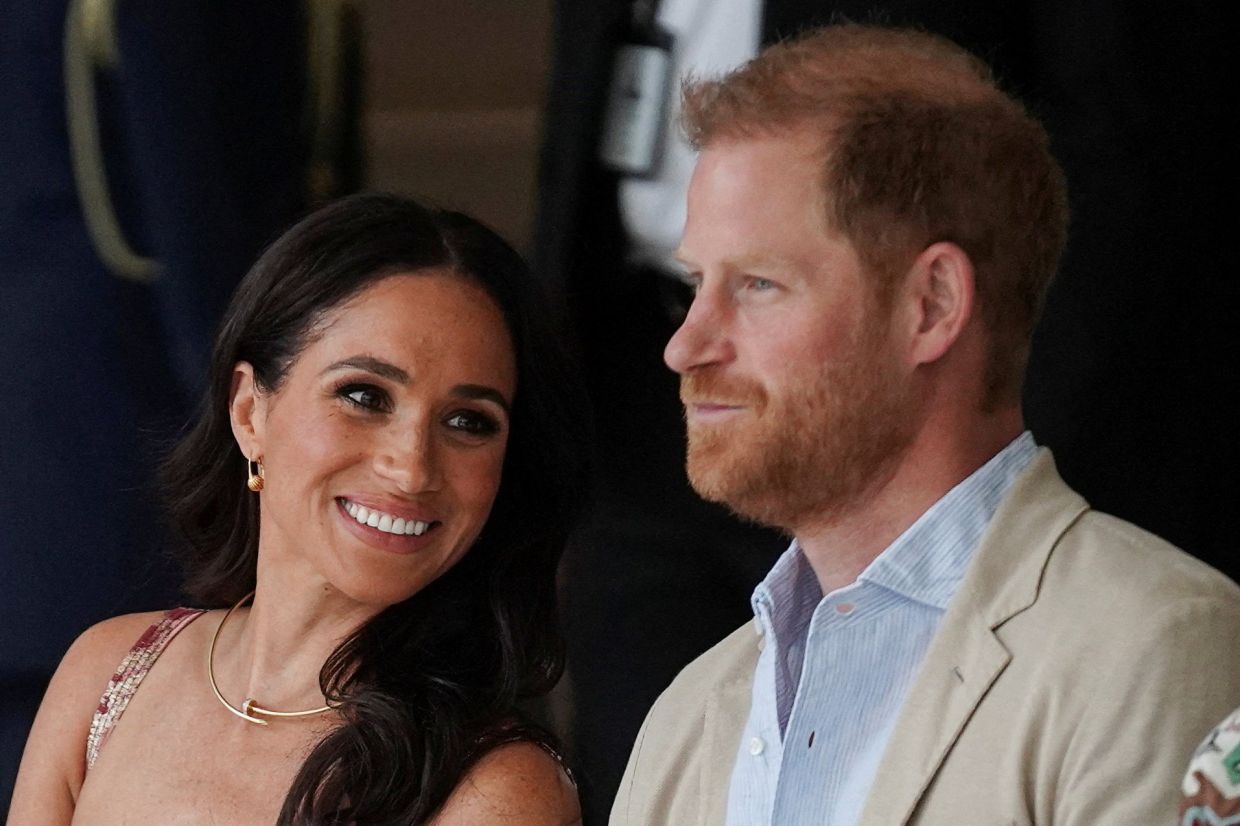
Prince Harry and Meghan have announced plans to relocate to the United Kingdom with their two children, Prince Archie and Princess Lilibet, according to reports from British news media. The move marks a significant development in the couple's relationship with the royal family after more than six years living in California, though both have made clear they will not be resuming their former positions as active working members of the monarchy. The children, now seven and five respectively, have already secured places at British schools and are expected to begin their education there when the autumn term commences in September.
The decision to return to the UK represents a notable shift for the couple, who departed from royal duties in 2020 to establish independent lives on the west coast of the United States. Since then, they have built substantial media and commercial ventures, including major production deals with streaming platforms Netflix and Spotify that have significantly enhanced their financial independence. Their relocation had been seen by many observers as a permanent arrangement, making this announcement an unexpected turn in their trajectory. King Charles III was informed of the plans on Sunday, though notably, the couple did not discuss the move during their most recent visit to Britain last month.
The timing of this development carries considerable significance when viewed against Harry's ongoing efforts at family reconciliation. The prince has in recent months made explicit statements about his desire to repair fractured relationships within the royal household, particularly with his father. In media interviews, Harry has expressed concern about his aging parent's health, noting King Charles III is currently undergoing treatment for an undisclosed form of cancer. His public comments have emphasised the urgency of rebuilding family bonds while the opportunity exists, a sentiment that appears to have influenced the family's decision to establish a more permanent base in Britain.
The couple's return also represents a potential thaw in relations that have been notably strained since their departure. Over the intervening years, tensions escalated dramatically following a series of high-profile interviews and Harry's published memoir, both of which contained candid and sometimes damaging revelations about his experiences within the royal institution and his interactions with family members. The couple's grievances have been substantial, ranging from their accounts of media intrusion to broader allegations about how they were treated by the institution itself. These public disclosures created significant rifts that have proven difficult to bridge, making any movement toward reconciliation noteworthy.
Harry's legal battles have also weighed heavily on the family during this period. The prince has engaged in an extended conflict with Britain's tabloid press, alleging systematic phone hacking and privacy violations dating to his youth. A recent court ruling has left him facing substantial financial exposure, with Associated Newspapers seeking to recover legal costs amounting to £34.5 million following unsuccessful litigation. Beyond his media disputes, Harry has also contended with government authorities over police protection arrangements for his family when in the UK. These multifaceted legal challenges have created considerable stress and expense, potentially contributing to a reassessment of his position and priorities.
Despite the financial and legal pressures, Harry's most recent visit to the UK appears to have catalysed change. During that trip, he participated in several charitable engagements while Meghan and the children accompanied him for portions of the visit. Significantly, Prince Archie and Princess Lilibet spent time with King Charles III at his Highgrove estate in Gloucestershire, a meeting that held particular poignancy as it marked the first occasion the grandchildren had seen their grandfather since the late Queen Elizabeth II's platinum jubilee celebrations in 2022. Such personal moments have evidently influenced the family's thinking regarding their future living arrangements.
The geographical proximity that a UK-based residence would provide appears central to Harry's reconciliation strategy with his father. By establishing themselves in Britain, the couple would facilitate regular contact between the king and his grandchildren, addressing one of Harry's stated priorities. The move also potentially creates circumstances that might eventually pressure resolution of tensions with Prince William, the heir to the throne, though current indications suggest those rifts remain substantial. Royal commentators have speculated that William's reaction to the announcement would be strongly negative, given the ongoing family tensions and the complications that increased proximity might introduce.
From a Malaysian and Southeast Asian perspective, this development carries relevance as it reflects broader patterns of how affluent families navigate internal conflicts and geographical separation. The couple's earlier move to North America represented part of a significant migration of younger Commonwealth personalities seeking independence from institutional constraints, a phenomenon that has influenced discussions about modern royal relevance across the Commonwealth region. Their potential return signals a recalibration of those choices, acknowledging both the limitations and costs of complete separation from family and institutional structures.
The practical implications of the relocation extend beyond the immediate family. Selecting British educational institutions for the children represents a deliberate choice to integrate them into British society and educational systems, potentially shaping their identities and future roles within or adjacent to the royal institution. This decision carries symbolic weight, suggesting a fundamental commitment to Britain as home despite the couple's years of establishing themselves in California. It also underscores the continued importance that the royal family maintains regarding succession planning and the socialisation of younger generations within British and Commonwealth contexts.
Neither Buckingham Palace nor representatives for Harry and Meghan have provided official comment on these arrangements, maintaining the institution's standard practice of not discussing matters concerning non-working members of the royal family. This circumspection reflects the delicate diplomatic situation surrounding the couple's status. The palace's silence should not be interpreted as disapproval but rather as a careful negotiation of how to acknowledge changing circumstances while respecting the formal boundaries that exist between the institution and those who have stepped back from public royal duties.
The couple's decision ultimately reflects a maturation of their earlier choices, acknowledging that complete geographical and institutional separation may not align with their values regarding family, heritage, and their children's development. For observers in Southeast Asia and across the Commonwealth, this development suggests that even those who have publicly critiqued or departed from traditional institutions may find compelling reasons to maintain meaningful connections to them. The unfolding reconciliation between Harry and his father, facilitated partly through this relocation decision, demonstrates the enduring power of family bonds and the desire for resolution that often emerges with time and changing circumstances.

