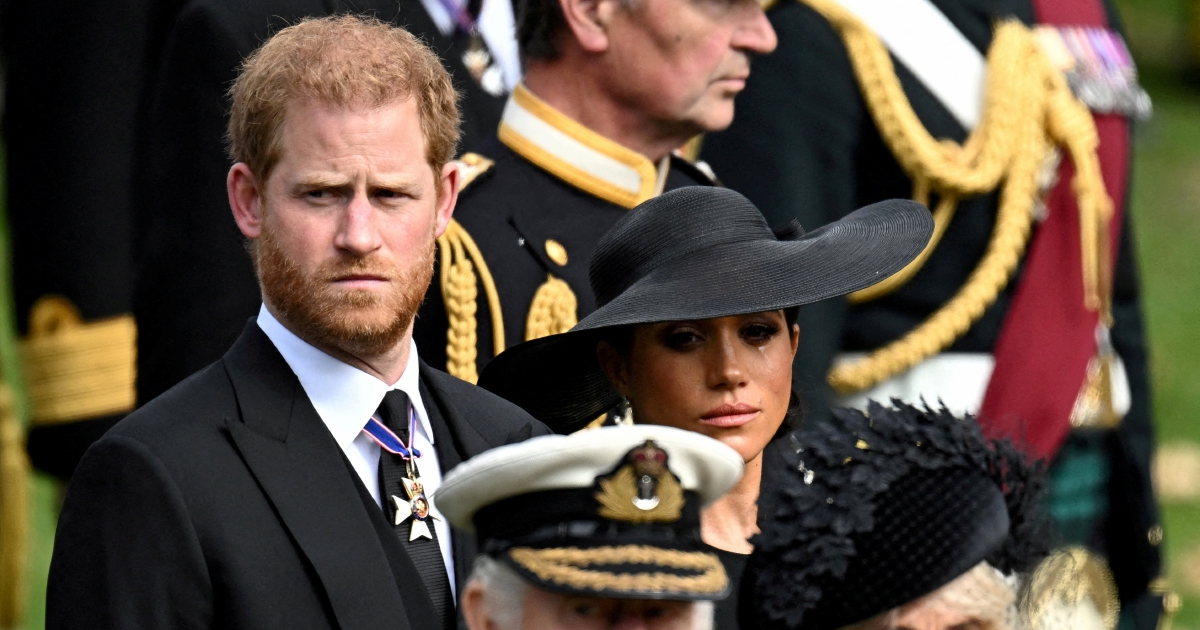
Prince Harry, along with celebrated musician Elton John and several other high-profile public figures, now faces the prospect of paying considerable sums to cover the legal expenses of the Daily Mail's publisher following a court judgment against them. The ruling came after the judge determined that their privacy lawsuits had been pursued in a manner that fell outside the bounds of reasonable legal conduct, effectively overturning the claimants' attempts to hold the tabloid accountable for privacy breaches.
The judgment represents a significant setback for the group of celebrities who had joined forces in their litigation against the Daily Mail. Their coordinated legal challenge sought to establish that the newspaper had systematically violated their privacy rights through invasive reporting practices. However, the court's assessment that their approach was procedurally flawed has now transformed what began as an offensive legal manoeuvre into a costly defensive liability, with the direction to reimburse the publisher's substantial legal bills.
This outcome carries particular resonance in the British media landscape, where tensions between tabloid journalism and celebrity privacy have long simmered. The Daily Mail, one of the United Kingdom's largest-circulation newspapers, has frequently found itself at the centre of such disputes. The judgment effectively reinforces the existing power dynamics between major publishers and individual claimants, suggesting that even coordinated legal action by wealthy, well-resourced celebrities may prove insufficient to challenge established tabloid practices through the courts.
For Prince Harry specifically, this ruling adds to a broader pattern of legal contests he has pursued against media organisations since relocating to North America. His sustained efforts to combat what he characterises as invasive journalism have included various court cases, yet this latest judgment demonstrates the substantial financial risks involved in pursuing such claims. The requirement to pay the opposition's legal costs represents not merely a symbolic defeat but a concrete financial burden that underscores the practical difficulties of mounting sustained legal challenges against large publishing enterprises.
The judge's determination that the claimants' approach was unreasonable suggests that the court identified specific problems with how the lawsuit was structured or conducted rather than with the underlying privacy concerns themselves. This distinction matters considerably, as it indicates that the ruling relates to procedural matters rather than a wholesale rejection of privacy principles. Nonetheless, the outcome demonstrates how technical or procedural failings in litigation strategy can render substantive claims unviable in legal proceedings, regardless of their underlying merit.
Elton John's involvement in the litigation highlighted the cross-generational nature of celebrity concerns about tabloid intrusion. The legendary musician has himself navigated decades of media scrutiny, and his participation in the coordinated legal action underscored the perception among entertainment figures that privacy protections require active legal defence. His presence among the claimants added considerable prominence to the case, yet the judgment affects him equally with the other plaintiffs in terms of financial liability.
The financial implications of this judgment extend beyond the immediate parties involved. The ruling potentially discourages other celebrities from pursuing similar coordinated legal challenges against tabloid publishers, as the prospect of paying substantial legal costs in the event of failure creates a significant deterrent. This may effectively entrench the existing balance of power between major media organisations and individual claimants, limiting the practical avenues available for celebrities seeking redress for privacy violations.
From a Malaysian perspective, this case illuminates broader questions about media regulation and celebrity privacy that resonate across Commonwealth jurisdictions. Malaysia's own media landscape has grappled with similar issues regarding the boundaries between public interest journalism and individual privacy rights. The British judgment offers cautionary lessons about the costs and challenges of legal action against established publishers, considerations that would apply equally to any similar disputes in the Malaysian context.
The ruling also raises questions about access to justice for ordinary individuals, not merely celebrities. If well-resourced public figures struggle to mount successful privacy litigation against major publishers, the prospects for less prominent individuals appear even more limited. This structural inequality in the legal system's capacity to protect privacy creates a gap between the theoretical protections available under law and their practical enforceability.
Moving forward, the judgment may prompt both celebrities and publishers to recalibrate their strategies. For claimants, the decision highlights the necessity of ensuring legal approaches are watertight procedurally before launching costly litigation. For publishers, the ruling confirms that established legal defences remain robust even against coordinated challenges from prominent figures. The broader implications suggest that meaningful reform to privacy protections may require legislative intervention rather than reliance on individual lawsuits navigating an increasingly complex legal terrain.
The case underscores a fundamental tension in liberal democracies: balancing press freedom with individual privacy rights. While the courts have mechanisms to address violations, the practical barriers to success—including the risk of paying opponents' legal costs—can make vindication of privacy rights prohibitively expensive. This judgment therefore represents not simply a victory for one publisher, but a broader reinforcement of institutional advantages that large media organisations enjoy within existing legal frameworks across the Commonwealth.

