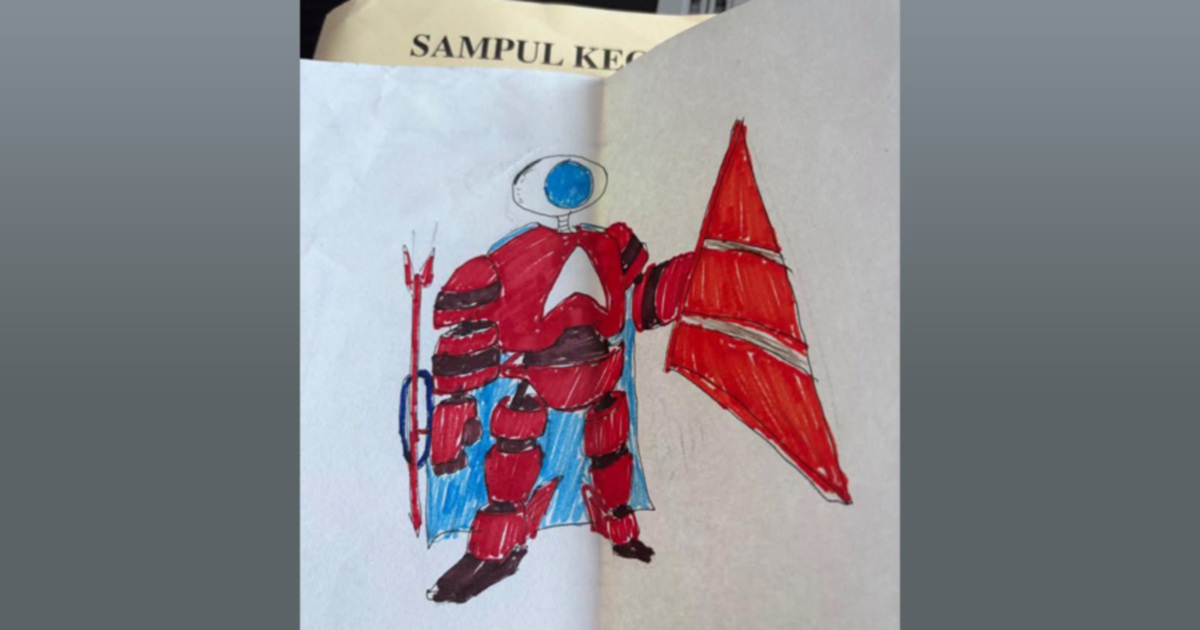
Prime Minister Datuk Seri Anwar Ibrahim has kept as a treasured memento a drawing presented by a child with special needs during a Temu Anwar programme held recently in Negri Sembilan, reflecting the inclusive nature of the government's grassroots engagement efforts across the nation.
The incident showcases how direct interaction between Malaysia's leadership and ordinary citizens—particularly those from vulnerable communities—remains a cornerstone of the Prime Minister's approach to governance. Such moments, though appearing modest on the surface, carry deeper significance within the broader context of how federal administrations address the needs and perspectives of marginalised populations.
Temu Anwar sessions, which have become regular fixtures in the government's outreach calendar, are structured to provide platforms where citizens from all walks of life can present concerns, grievances, and expressions of appreciation directly to the Prime Minister. These programmes operate across multiple states and typically involve extensive community participation. By retaining the drawing, Anwar has demonstrated personal recognition of the child's participation and, by extension, validation of the child's intrinsic worth within society.
The gesture carries particular resonance in Malaysia, where discussions around inclusive education, disability rights, and social integration remain evolving conversations. Children with special needs often face structural barriers to meaningful participation in civic activities, making their engagement in national programmes noteworthy. The fact that a special needs child felt comfortable enough to create and present artwork at such an event, and that the Prime Minister chose to preserve it, sends implicit messages about acceptance and belonging within Malaysia's political and social fabric.
For special needs advocacy groups and disability rights organisations operating in Malaysia, such visible recognition from the highest level of government can amplify their messaging around inclusion. These moments become anchors for broader campaigns promoting accessibility standards, representation in public policy discussions, and the dismantling of stigma surrounding disability in the workplace and educational institutions. The narrative of a child's drawing being cherished by the nation's leader transcends the immediate human interest angle to become a statement about societal values.
Anwar's personal retention of the artwork also reflects contemporary expectations around political leadership in Southeast Asia, where demonstrations of approachability and emotional intelligence increasingly influence public perception. Unlike purely transactional governance models, participatory programmes like Temu Anwar emphasise the relational dimensions of leadership—the notion that leaders should remain connected to constituent experiences and that such connections deserve to be remembered and honoured.
The Negri Sembilan event forms part of a broader pattern of roadshow activities through which the Prime Minister's office has sought to maintain direct channels with communities. These sessions become particularly significant in states where political dynamics are complex or where certain constituencies feel underrepresented in federal discourse. By travelling to multiple locations and creating spaces for diverse voices—including those of children with special needs—the administration attempts to demonstrate responsiveness to ground-level concerns.
From a developmental perspective, the child's participation in such a programme represents an investment in civic awareness and confidence. Children who experience meaningful inclusion in national events develop stronger connections to democratic institutions and are more likely to become engaged citizens throughout their lives. The memory of presenting artwork to the Prime Minister, particularly if acknowledged and valued as this case suggests, can become a formative experience shaping the child's self-perception and relationship with public participation.
The retention of such a gift also raises questions about how governments document and commemorate citizen engagement. Few administrations openly discuss the personal mementos they keep from public interactions, yet these items often constitute undocumented archives of governance relationships. Should such items eventually be documented—in museum collections, digital archives, or government heritage centres—they become historical records of how particular administrations approached inclusivity and community connection during their tenures.
Malaysia's special needs community, comprising children and adults with varying physical, developmental, and psychological conditions, numbers in the hundreds of thousands when accounting for registered and unregistered individuals. Comprehensive data remains elusive, but accessibility improvements in recent years—from public transport modifications to workplace accommodations—indicate growing institutional recognition. Government leaders' personal engagement with this constituency, when visibly documented, helps normalise the presence of people with disabilities in public life and national consciousness.
The broader implications extend to how Malaysia positions itself within regional conversations about inclusive governance. As ASEAN nations grapple with disability rights frameworks and social integration policies, precedents set by national administrations through high-profile gestures like Anwar's influence neighbouring countries' approaches. What begins as a personal keepsake becomes part of a country's diplomatic and social narrative within the region.
Moving forward, this incident underscores the importance of sustained, systematic approaches to inclusion rather than isolated gestures. While the Prime Minister's retention of the child's drawing demonstrates appreciation, meaningful progress requires structural policies: improved special education funding, enhanced teacher training, workplace inclusion quotas, and community infrastructure designed with accessibility as a foundational principle rather than an afterthought. Such systemic changes transform individual moments of recognition into comprehensive societal transformation.

