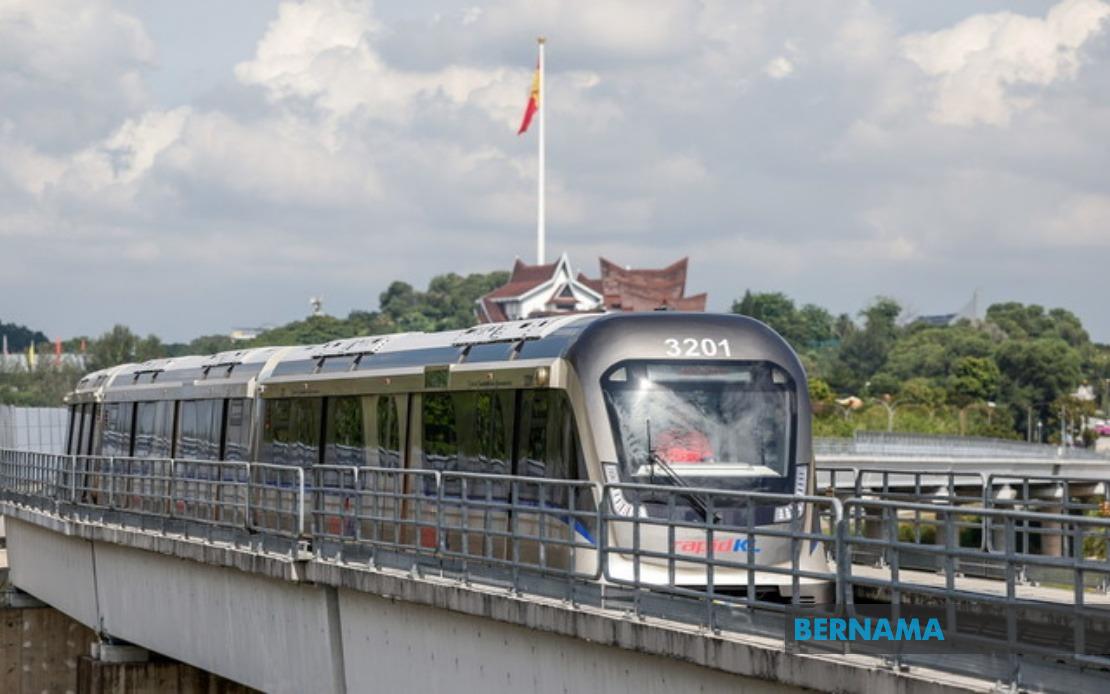
The Light Rail Transit 3 (LRT3) Shah Alam Line is ready to begin operations following its completion, with Prime Minister Datuk Seri Anwar Ibrahim set to officially open the project tomorrow at a launch ceremony in Shah Alam. The 37.8-kilometre route extending from Bandar Utama to Johan Setia has been fully constructed and is prepared to commence passenger services, marking a significant expansion of Malaysia's rapid transit network in the Klang Valley. During the Sunday ceremony, the Prime Minister is expected to announce the commercial opening date and operational hours for the new service.
According to Shah Alam line chief Mohd Ariffin Idris, the development is anticipated to directly benefit approximately two million residents distributed along the corridor. The line comprises 20 stations in total, with ten being entirely new additions to the network. These new stations include Bandar Utama, Kayu Ara, BU 11 (Bandar Utama 11), Damansara Idaman, Subang, Glenmarie 2, Kerjaya, Stadium Shah Alam, Dato' Menteri, and UiTM Shah Alam. The remaining ten stations serving the route are located in the Shah Alam and Klang areas, comprising Seksyen 7 Shah Alam, Bandar Baru Klang, Pasar Klang, Jalan Meru, Jambatan Kota, Taman Selatan, Seri Andalas, Klang Jaya, Bandar Bukit Tinggi, and Johan Setia.
The Shah Alam Line has been strategically designed to integrate with the existing rapid transit network, facilitating seamless passenger movement across the greater Klang Valley region. Travellers will be able to transfer to the Kajang Line at Bandar Utama station, while connections to the Kelana Jaya Line are available at Glenmarie 2. These interchange points will enable commuters to access a broader metropolitan transport system, potentially reducing overall travel times for those moving between different zones of the urban conurbation. The integration represents a continuation of efforts to create an interconnected rapid transit backbone across the Selangor region.
To complement the rail service and enhance accessibility to stations from residential and commercial areas, Prasarana has implemented a comprehensive feeder network comprising 40 buses operating across 13 separate routes with 323 stops. These bus services are priced at RM1 per journey and will operate from 6 am until 11.30 pm daily, providing affordable first-mile and last-mile connectivity. Additionally, the operator is introducing Rapid On-Demand van services deployed across 20 designated zones, with 44 vans available to serve commuters at RM2 per trip during the same operational hours. Both the feeder bus and van services will be continuously adjusted according to actual commuter demand and observed travel patterns once the line becomes operational, allowing the operator to optimise resource allocation and service coverage.
Parking facilities have been established at six selected stations to cater to commuters who prefer to drive partway and then use the rail service. Stations offering vehicular parking are Kayu Ara, Damansara Idaman, Pasar Besar Klang, Sri Andalas, Bandar Bukit Tinggi, and Johan Setia, collectively providing 2,300 parking bays. This park-and-ride approach is designed to attract vehicle users who might otherwise remain dependent on private transportation for their entire journey, thereby reducing traffic congestion and environmental impact on key corridors.
Prasarana Malaysia Berhad has established ambitious ridership targets for the new line, projecting 67,000 daily passengers during the opening year. This figure is anticipated to grow substantially over the medium term, with projections indicating daily ridership of approximately 117,708 passengers by the end of the fifth operational year. Such growth would reflect increasing acceptance of rapid transit among the travelling public and expanding residential and commercial development along the corridor. These projections will likely inform future capacity planning decisions and potential service frequency adjustments as the network matures.
The development demonstrates Prasarana's commitment to incorporating sustainable design principles into public transport infrastructure. The light rail vehicles utilise inverter-based air conditioning technology that reduces energy consumption compared to conventional systems, while the stations incorporate smart cooling mechanisms that optimise temperature regulation. Station architecture has been deliberately planned to maximise natural ventilation and daylight penetration, minimising the reliance on artificial environmental controls and reducing operational energy costs. These sustainability features align with broader Malaysian and international objectives to reduce carbon emissions from the transport sector.
Accessibility has been prioritised across all stations on the new line, with comprehensive provisions designed to ensure people with disabilities can utilise the service independently and safely. Every station has been equipped with wheelchair-accessible ramps, disability-compliant toilet facilities, and each train carriage includes reserved seating specifically allocated for persons with disabilities. These design elements reflect evolving standards for inclusive public transport in developing nations and acknowledge the principle that mobility infrastructure should serve all members of society regardless of physical ability.
In a further expansion of the LRT3 network, five additional stations—Tropicana, Raja Muda, Temasya, Bukit Raja, and Bandar Botanik—are slated for reconstruction to improve their facilities and integration with the Shah Alam Line. Mohd Ariffin confirmed that construction work on these station upgrades is scheduled to commence before the end of the current year. This phased development approach allows the operator to commence revenue operations on the main Shah Alam corridor while simultaneously improving the existing network, maximising the overall efficiency of capital investment and maintaining momentum in network expansion.
For Malaysian commuters and stakeholders in the greater Klang Valley, the opening of the Shah Alam Line represents a meaningful enhancement to transport connectivity in one of the nation's most densely populated regions. The project addresses chronic traffic congestion by offering a fast, reliable alternative to private vehicle use for residents and workers distributed across the western suburbs of Kuala Lumpur and the Shah Alam urban zone. The combination of rail infrastructure with complementary bus and van services creates a genuine multi-modal transport ecosystem that could meaningfully shift travel behaviour if priced competitively and operated reliably. The commercial viability and long-term success of the line will ultimately depend on consistent service quality, punctuality, and responsive management of the feeder network—factors that will be closely watched in the months following the official launch.

